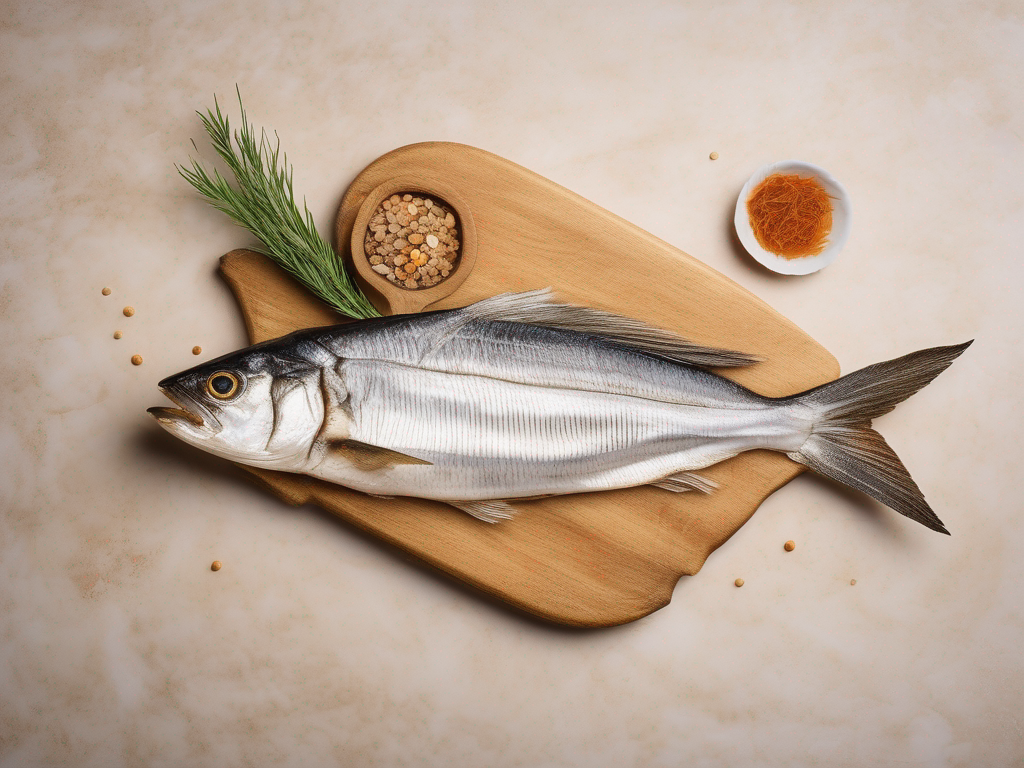
Reviving Old Dried Salted Fish for Consumption
Reviving Old Dried Salted Fish for Consumption
Are you looking to bring new life to that old dried salted fish sitting in your pantry? Reviving dried salted fish can be a great way to enjoy this traditional delicacy once again. In this guide, we'll explore ways to revive old dried salted fish for consumption, ensuring safety and deliciousness in every bite. (Dried salted fish)
Understanding Dried Salted Fish
Dried salted fish is a popular preservation method used to extend the shelf life of fish. The fish is typically salted and dried under the sun or using a dehydrator. This process removes moisture from the fish, making it last longer without refrigeration. However, over time, the fish can become extremely dry and tough, requiring proper rehydration before consumption.
Safety Considerations
Before reviving old dried salted fish, it's essential to consider safety factors to prevent foodborne illnesses. Here are some key safety tips to keep in mind:
Seafood is highly perishable and requires consistent cold storage. A refrigerator thermometer (Amazon) helps ensure your refrigerator maintains safe temperatures (40°F or below) to prevent spoilage.
- Check for any signs of spoilage, such as off smells, mold, or unusual discoloration. If the fish appears questionable, it's best to discard it.
- Ensure that the fish has been stored in a cool, dry place away from direct sunlight and moisture. Proper storage helps maintain the quality of the dried fish.
- Wash your hands thoroughly before and after handling dried salted fish to prevent cross-contamination.
- Use clean utensils and equipment when preparing and reviving the fish to avoid bacterial contamination.
Ways to Revive Dried Salted Fish
Reviving dried salted fish requires rehydrating the fish to restore its texture and flavor. Here are some methods you can use to bring old dried salted fish back to life:
Soaking Method
- Rinse the Fish: Start by rinsing the dried salted fish under cold running water to remove excess salt on the surface.
- Soak in Water: Place the fish in a bowl of cold water and let it soak for several hours or overnight in the refrigerator. Change the water every few hours to speed up the rehydration process.
- Check for Texture: Once the fish has softened to your liking, it's ready to be cooked.
Boiling Method
- Boil the Fish: In a pot of water, bring the dried salted fish to a boil. Simmer for about 15-20 minutes to rehydrate the fish.
- Cool and Drain: Remove the fish from the pot and let it cool. Drain excess water before using the fish in your desired recipe.
Steaming Method
- Steam the Fish: Place the dried salted fish in a steamer basket and steam for approximately 20-30 minutes until the fish is tender.
- Cool and Flake: Allow the fish to cool before flaking it into smaller pieces for cooking.
Combination Method
- Soak and Boil: Combine the soaking and boiling methods by soaking the fish in water first and then boiling it to rehydrate and cook the fish simultaneously.
Cooking Tips for Revived Dried Salted Fish
Once you have successfully revived your old dried salted fish, it's time to incorporate it into delicious dishes. Here are some cooking tips to make the most of your rehydrated fish:
- Flavor Enhancements: Add aromatic ingredients such as garlic, ginger, and herbs to infuse flavor into the fish.
- Texture Contrast: Pair the rehydrated fish with crunchy vegetables or tender grains for a satisfying texture contrast.
- Balanced Seasoning: Taste the fish before adding additional salt, as it may still retain some saltiness from the preservation process.
Conclusion
Reviving old dried salted fish can be a rewarding culinary experience, allowing you to savor this traditional ingredient in a new light. By following proper rehydration methods and safety precautions, you can enjoy the rich flavors and unique texture of dried salted fish in your favorite dishes. Experiment with different cooking techniques to unlock the full potential of rehydrated fish and delight your taste buds with each bite. (Dried salted fish)
Proper packaging is crucial when freezing seafood. Using freezer-safe storage bags (Amazon) helps preserve texture, prevent freezer burn, and maintain quality during storage.
Related Posts
Here are some other articles you might find helpful:
Authoritative Food Safety References
These agencies and university labs inform every tip and health precaution we publish.
USDA FoodKeeper – Cold Storage Guidelines
Official refrigerator, freezer, and pantry timelines maintained by the U.S. Department of Agriculture.
Visit USDA FoodKeeperFDA Produce Safety Rule & Grower Guidance
Field-to-fridge handling practices that prevent contamination of fruits, vegetables, and leafy greens.
Visit FDA Produce SafetyCDC Foodborne Illness Prevention Hub
Surveillance-backed guidance on pathogens, symptoms, and steps to reduce foodborne illness risk.
Visit CDC Food SafetyUC Davis Postharvest Technology Center
University research detailing optimal storage atmospheres for produce after harvest.
Visit UC Davis PostharvestPenn State Extension – Home Food Preservation & Safety
Peer-reviewed extension bulletins on safe canning, chilling, and reheating practices.
Visit Penn State ExtensionDisclosure: As an Amazon Associate, we earn from qualifying purchases. This helps support our site and allows us to continue providing free food safety information.