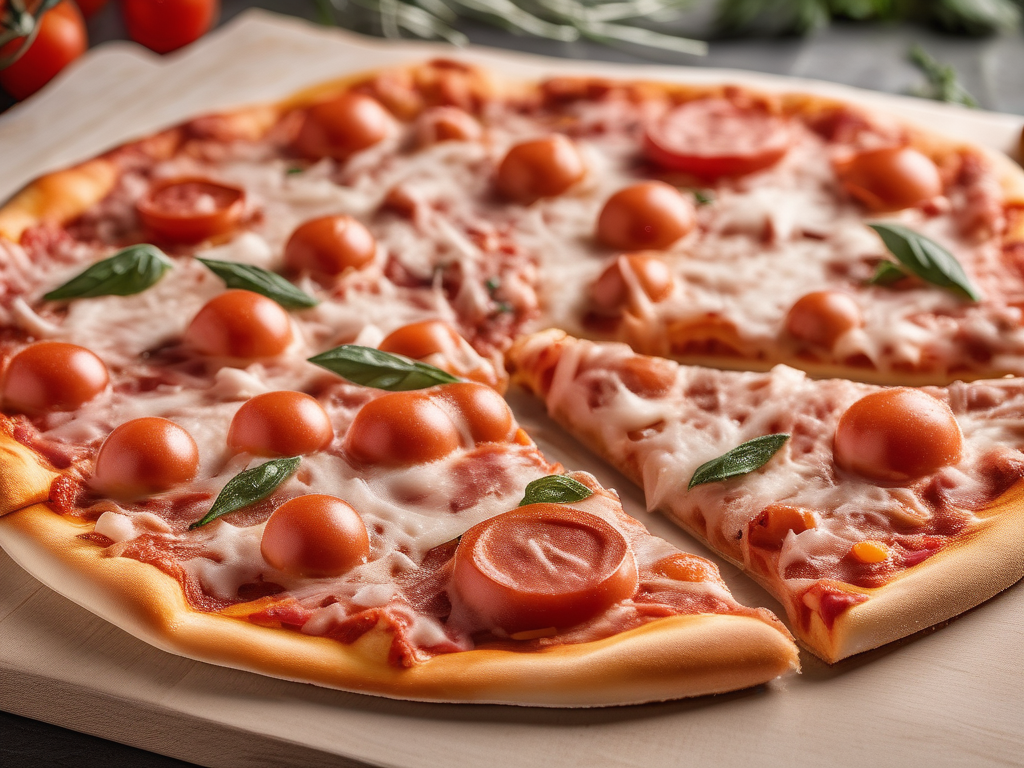
Preventing Freezer Burn on Your Frozen Pizza Leftovers
Preventing Freezer Burn on Your Frozen Pizza Leftovers
When it comes to storing frozen pizza leftovers, freezer burn is a common issue that can affect the taste and quality of the food. Freezer burn occurs when moisture in the food evaporates and forms ice crystals on the surface, leading to dry and tough textures. To ensure your frozen pizza leftovers remain delicious and fresh, here are some effective ways to prevent freezer burn. (Frozen pizza)
Understanding Freezer Burn
Before diving into prevention tips, it's essential to understand what causes freezer burn. Freezer burn occurs due to improper storage conditions, such as exposure to air and fluctuations in temperature. When food is not properly sealed, air can come into contact with the food, causing moisture to evaporate and ice crystals to form on the surface.
Signs of Freezer Burn
- Whitish or grayish spots on the food
- Dry or tough texture
- Off-flavors or odors
Tips to Prevent Freezer Burn on Frozen Pizza Leftovers
-
Proper Packaging: The key to preventing freezer burn is proper packaging. Use airtight containers or heavy-duty freezer bags to seal your frozen pizza leftovers securely. Remove as much air as possible before sealing to minimize moisture loss.
-
Double Wrapping: For added protection, consider double wrapping your frozen pizza leftovers. Wrap the pizza in plastic wrap or aluminum foil before placing it in a freezer-safe container or bag. This extra layer helps create a barrier against air and moisture.
-
Use Freezer Paper: Freezer paper is specially designed to prevent freezer burn. Wrap your frozen pizza leftovers in freezer paper before storing them in the freezer. Make sure to label the packages with the date to keep track of freshness.
-
Flash Freezing: Before storing leftover pizza in the freezer, consider flash freezing individual slices on a baking sheet. Once the slices are frozen solid, transfer them to a container or bag for long-term storage. Flash freezing helps preserve the quality and texture of the pizza.
-
Optimal Freezer Temperature: Maintain the freezer temperature at 0°F (-18°C) or below to prevent freezer burn. Fluctuations in temperature can accelerate moisture loss and ice crystal formation. Use a freezer thermometer to monitor the temperature regularly.
-
Rotate Items: When storing frozen pizza leftovers, practice the "first in, first out" rule. Use older leftovers before newer ones to ensure freshness. Rotate items in the freezer to prevent items from getting buried and forgotten, leading to freezer burn.
-
Avoid Overcrowding: Proper air circulation is crucial for preventing freezer burn. Avoid overcrowding the freezer and allow space between items for cold air to circulate. Arrange items in a single layer to promote even freezing and minimize moisture loss.
-
Label and Date: Proper labeling is essential for keeping track of frozen pizza leftovers. Label each package with the contents and date of storage. This helps you identify older items and ensures you use them before the quality deteriorates.
Conclusion
By following these practical tips, you can prevent freezer burn on your frozen pizza leftovers and enjoy delicious meals anytime. Proper packaging, optimal freezer temperature, and good storage practices are key to maintaining the quality and flavor of your favorite frozen pizzas. Remember to check your freezer regularly, rotate items, and use leftovers in a timely manner to avoid food waste and ensure food safety. With these preventive measures, you can savor every bite of your frozen pizza without worrying about freezer burn. (Frozen pizza)
Related Posts
Here are some other articles you might find helpful:
- The Ultimate Guide to Properly Storing Frozen Pizza in the Freezer
- How to Extend the Shelf Life of Your Frozen Pizza
- How to Tell if Frozen Pizza that Has Been Opened has Gone Bad in the Fridge
- What Happens If Frozen Pizza Opened is Left Out Overnight?
- What Happens if I Eat Frozen Pizza Past its Expiration Date?
Authoritative Food Safety References
These agencies and university labs inform every tip and health precaution we publish.
USDA FoodKeeper – Cold Storage Guidelines
Official refrigerator, freezer, and pantry timelines maintained by the U.S. Department of Agriculture.
Visit USDA FoodKeeperFDA Produce Safety Rule & Grower Guidance
Field-to-fridge handling practices that prevent contamination of fruits, vegetables, and leafy greens.
Visit FDA Produce SafetyCDC Foodborne Illness Prevention Hub
Surveillance-backed guidance on pathogens, symptoms, and steps to reduce foodborne illness risk.
Visit CDC Food SafetyUC Davis Postharvest Technology Center
University research detailing optimal storage atmospheres for produce after harvest.
Visit UC Davis PostharvestPenn State Extension – Home Food Preservation & Safety
Peer-reviewed extension bulletins on safe canning, chilling, and reheating practices.
Visit Penn State Extension