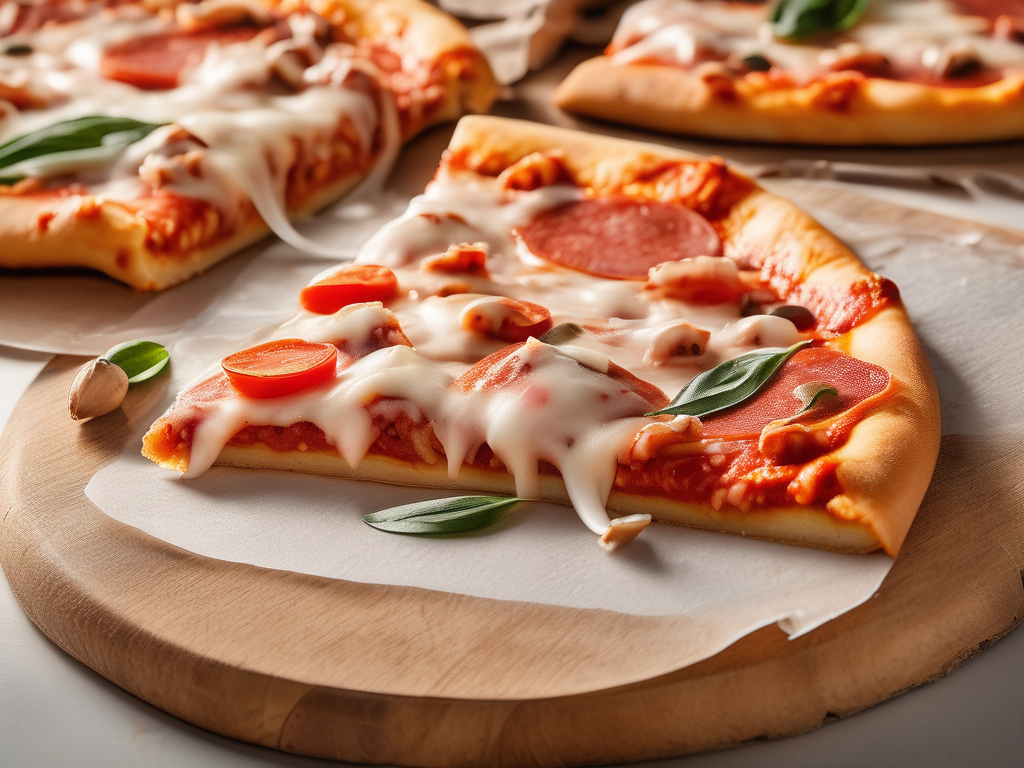
The Ultimate Guide to Properly Storing Frozen Pizza in the Freezer
The Ultimate Guide to Properly Storing Frozen Pizza in the Freezer
Who doesn't love the convenience of popping a delicious frozen pizza into the oven for a quick and easy meal? Whether it's a classic pepperoni, a veggie-loaded option, or a gourmet specialty pizza, having a few frozen pizzas on hand can be a lifesaver on busy days. However, to ensure that your frozen pizza stays fresh, tasty, and safe to eat, proper storage in the freezer is key. In this comprehensive guide, we'll walk you through the best practices for storing frozen pizza to maintain its quality and maximize its shelf life. (Frozen pizza)
Why Proper Storage Matters for Frozen Pizza
Frozen pizza, like any other frozen food, can be affected by improper storage conditions. When frozen pizza is not stored correctly, it can lead to a decline in quality, taste, and safety. Here are a few reasons why proper storage matters:
- Maintains Freshness: Proper storage helps retain the flavor, texture, and overall quality of the frozen pizza.
- Prevents Freezer Burn: Adequate storage methods can help prevent freezer burn, which can negatively impact the taste and texture of the pizza.
- Ensures Food Safety: Storing frozen pizza properly helps prevent the growth of harmful bacteria and ensures that the pizza remains safe to eat.
Now that we understand the importance of proper storage, let's dive into the specifics of how to store frozen pizza in the freezer for maximum freshness.
Step-by-Step Guide to Storing Frozen Pizza in the Freezer
1. Choose the Right Freezer Temperature
Maintaining the ideal freezer temperature is crucial for preserving the quality of frozen foods, including pizza. Follow these guidelines:
- Set your freezer temperature to 0°F (-18°C) or below for optimal storage conditions.
- Use a separate freezer thermometer to ensure that the temperature remains consistent.
2. Select an Appropriate Storage Bag or Container
Proper packaging can help protect the pizza from moisture loss, freezer burn, and odors from other foods in the freezer. Consider these options:
- Resealable Freezer Bags: Ideal for individual slices or small pizzas.
- Plastic Wrap or Aluminum Foil: Wrap the entire pizza tightly to prevent air exposure.
- Freezer-Safe Containers: Use airtight containers for added protection.
3. Wrap and Seal the Pizza Properly
To maintain the quality of the frozen pizza, follow these steps for wrapping and sealing:
- Place the pizza in the selected storage bag, wrap, or container.
- Remove excess air to minimize moisture accumulation.
- Seal the packaging securely to prevent air exposure.
4. Label and Date the Packages
Proper labeling and dating can help you keep track of the contents in your freezer and ensure that you use the oldest items first. Here's how to do it:
- Use a permanent marker to label each package with the pizza flavor and date of storage.
- Arrange the packages in a way that allows you to easily identify and access them.
5. Store the Pizza Properly in the Freezer
The way you position the pizza in the freezer can impact its quality. Follow these tips:
- Place the pizza flat to prevent toppings from shifting or getting crushed.
- Avoid stacking multiple pizzas on top of each other to maintain their shape.
Additional Tips for Maintaining Frozen Pizza Quality
1. Rotate the Stock Regularly
To prevent the frozen pizza from sitting in the freezer for too long, implement a rotation system:
- Use the "first in, first out" method to ensure that older pizzas are used before newer ones.
- Check the expiration dates on the packaging and prioritize those that need to be consumed sooner.
2. Avoid Thawing and Refreezing
Thawing and refreezing frozen pizza can compromise its quality and safety. Follow these guidelines:
- Cook the pizza from frozen without thawing for the best results.
- If you have leftover pizza after cooking, store it in the refrigerator and consume it within a few days.
3. Monitor the Freezer Conditions
Regularly check and maintain your freezer to ensure optimal storage conditions:
- Clean the freezer regularly to prevent odors and cross-contamination.
- Keep the freezer organized to easily access and rotate your frozen pizza stock.
Conclusion
Properly storing frozen pizza in the freezer is essential for maintaining its freshness, taste, and safety. By following the steps outlined in this guide, you can ensure that your favorite frozen pizzas stay delicious and ready to enjoy whenever you need a quick and satisfying meal. Remember to choose the right freezer temperature, use appropriate packaging, label and date the packages, store the pizza correctly, and follow additional tips for maintaining quality. With these practices in place, you can make the most of your frozen pizza stash and always have a tasty meal on hand.
For more tips on food storage and safety, check out our [frozen pizza](/food/frozen pizza) section. Bon appétit! (Frozen pizza)
Related Posts
Here are some other articles you might find helpful:
- How to Extend the Shelf Life of Your Frozen Pizza
- How to Tell if Frozen Pizza that Has Been Opened has Gone Bad in the Fridge
- What Happens If Frozen Pizza Opened is Left Out Overnight?
- What Happens if I Eat Frozen Pizza Past its Expiration Date?
- How Long Can You Keep Frozen Pizza Unopened in the Freezer Before it Expires?
Authoritative Food Safety References
These agencies and university labs inform every tip and health precaution we publish.
USDA FoodKeeper – Cold Storage Guidelines
Official refrigerator, freezer, and pantry timelines maintained by the U.S. Department of Agriculture.
Visit USDA FoodKeeperFDA Produce Safety Rule & Grower Guidance
Field-to-fridge handling practices that prevent contamination of fruits, vegetables, and leafy greens.
Visit FDA Produce SafetyCDC Foodborne Illness Prevention Hub
Surveillance-backed guidance on pathogens, symptoms, and steps to reduce foodborne illness risk.
Visit CDC Food SafetyUC Davis Postharvest Technology Center
University research detailing optimal storage atmospheres for produce after harvest.
Visit UC Davis PostharvestPenn State Extension – Home Food Preservation & Safety
Peer-reviewed extension bulletins on safe canning, chilling, and reheating practices.
Visit Penn State Extension