The Ultimate Guide to Use By Date on Bacon
The Ultimate Guide to Use By Date on Bacon
Bacon is a beloved breakfast staple that adds flavor and crunch to a variety of dishes. However, like all perishable foods, bacon has a use by date that indicates its freshness and safety for consumption. In this comprehensive guide, we will explore everything you need to know about the use by date on bacon, including how to properly store it and ensure its quality. (Bacon)
Understanding the Use By Date on Bacon
What is the Use By Date?
- The use by date on bacon is the date until which the manufacturer guarantees the product's quality and safety when stored properly.
- It is important to pay attention to the use by date to prevent consuming bacon that may have spoiled or become unsafe to eat.
How to Read the Use By Date
- The use by date is typically printed on the packaging of the bacon.
- It is usually formatted as "Use By:" followed by the specific date.
- Make sure to check the use by date before purchasing bacon and consume it before the expiration date for optimal freshness.
Importance of Following the Use By Date
Food Safety Concerns
- Consuming bacon past its use by date can increase the risk of foodborne illnesses.
- Bacteria such as E. coli and Salmonella can multiply on expired bacon, leading to food poisoning.
Quality and Taste
- Bacon that is past its use by date may lose its flavor and texture.
- Fresh bacon is essential for achieving the best taste and quality in your dishes.
common situation: When Use By Dates Matter
Imagine you’re having friends over for brunch. You’ve planned a delicious spread that includes crispy bacon as the star ingredient. As you’re preparing the meal, you notice that the bacon you bought last week is nearing its use by date. This is a moment when you must assess whether it’s still good to use. This situation highlights the importance of knowing how to evaluate bacon beyond just the date on the package.
In another instance, let’s say your partner surprises you with a weekend getaway, and you decide to use the bacon you bought before you head out. You’re excited about packing it for a picnic, but you suddenly realize it’s past the use by date. You have to make a quick decision: is it safe to eat, or should you discard it? Familiarizing yourself with proper storage techniques could save you from unnecessary waste of food and money.
Proper cooking temperatures are essential for food safety. An instant-read food thermometer (Amazon) helps ensure meat reaches safe internal temperatures and reduces the risk of foodborne illness.
A Family Cookout Dilemma
Common situations include Saturday where you’ve invited family over for a cookout. As you prep for the grill, you pull out several packs of bacon for wrapping around veggies and grilling alongside burgers. Just as you’re about to toss a few pieces onto the grill, you notice that one of the packages is past its use by date. You remember your uncle, who’s always had a strong stomach for food, questioning whether you should still use it. This situation emphasizes the importance of not just the date but also evaluating the bacon’s quality. Having good practices for bacon assessment can ensure everyone enjoys the deliciousness without worry.
Late-Night Snack Adventure
Picture this: it’s late at night, and you’re craving a midnight snack. You rummage through the fridge and find a half-open package of bacon, but you're unsure of when you bought it. After a quick inspection, you realize it’s a week past the use by date. You ponder whether cooking it will make it safe. This situation illustrates the common dilemma many face when hunger strikes, emphasizing the critical balance between convenience and food safety.
Proper Storage of Bacon
Refrigeration
- Bacon should be stored in the refrigerator at a temperature below 40°F (4°C).
- Keep bacon in its original packaging or transfer it to an airtight container or resealable plastic bag.
- Store bacon away from other raw foods to prevent cross-contamination.
Freezing
- If you are not planning to use bacon before the use by date, you can freeze it to extend its shelf life.
- Wrap bacon tightly in aluminum foil or plastic wrap before placing it in the freezer.
- Frozen bacon can last up to 6 months and should be thawed in the refrigerator before use.
Expert Insights on Freezing Bacon
Freezing bacon is a great way to ensure you always have this delicious ingredient on hand, but it’s essential to do it correctly. I’ve found that vacuum-sealing bacon can significantly extend its shelf life and maintain its quality better than other methods. If you’re a bacon lover, investing in a vacuum sealer might be worth considering.
Refrigerator temperature fluctuations can accelerate spoilage and increase food safety risks. A refrigerator thermometer (Amazon) helps monitor consistent cold storage (40°F or below).
Storage Techniques Beyond the Basics
While refrigeration and freezing are the most common methods for storing bacon, there are a few more techniques you can employ to keep your bacon fresh longer:
-
Brining: Some people swear by brining their bacon in a saltwater solution before freezing it. This method not only helps preserve the bacon but can also add an extra layer of flavor.
-
Using a Dedicated Bacon Keeper: There are specialized containers available that keep bacon fresh and organized in your fridge. These containers are designed to minimize air exposure, which can cause spoilage.
-
Avoiding the Freezer Burn: If you notice that your bacon has developed freezer burn, it means that the quality has been compromised. To prevent this, ensure your bacon is tightly wrapped and try to remove as much air as possible before freezing.
Tips for Ensuring Bacon Freshness
Visual Inspection
- Check the color and appearance of bacon before cooking.
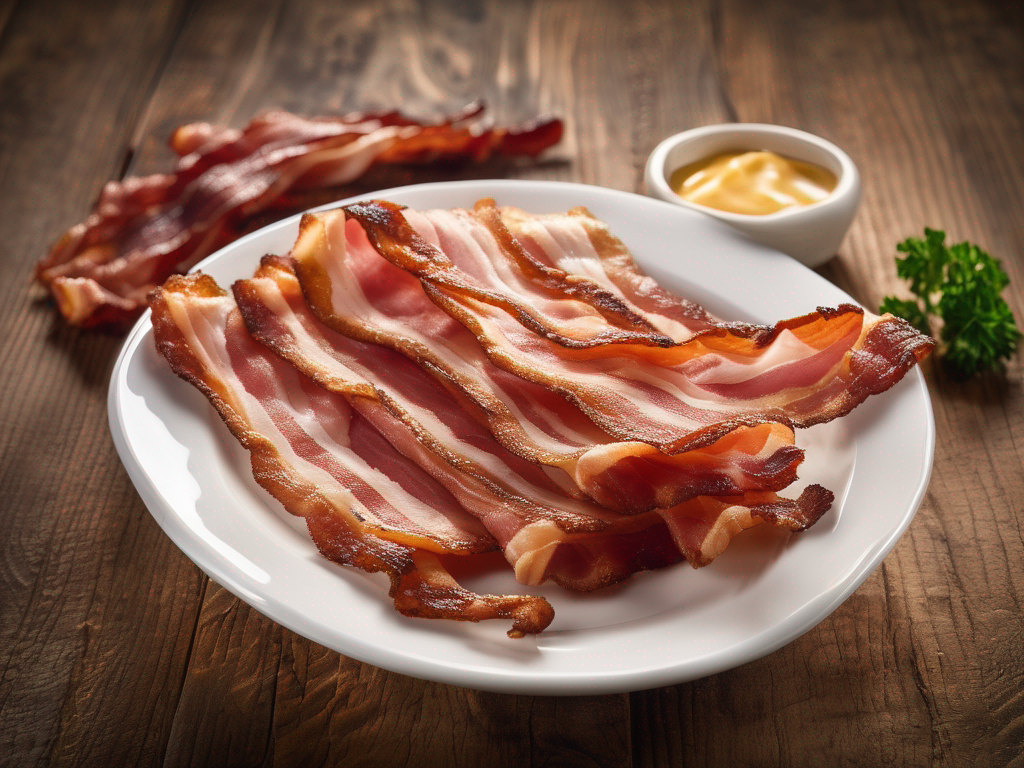
- Fresh bacon should have a pink hue with white marbling and minimal discoloration.
Smell Test
- Spoiled bacon will have a rancid or off-putting odor.
- If bacon smells sour or foul, it is best to discard it.
Texture Check
- Fresh bacon should feel firm and slightly moist.
- Slimy or sticky bacon is a sign of spoilage and should not be consumed.
Common Mistakes People Make
-
Ignoring the Date: Many people assume that as long as bacon looks and smells okay, it’s safe to eat even if it's past its use by date. This can lead to foodborne illness, so always err on the side of caution.
-
Not Storing Properly: Another common mistake is not sealing the bacon properly after opening. Even if the bacon is refrigerated, exposure to air can lead to spoilage.
-
Cooking Spoiled Bacon: Some believe that cooking spoiled bacon will kill the bacteria. While cooking can kill some harmful pathogens, it doesn’t remove unpleasant flavors, odors, or reduced nutritional quality that could have developed by that point.
The Importance of Date Labels Understanding
Many people are unaware of the distinction between "use by," "sell by," and "best before" dates. While the "use by" date is crucial for safety, "sell by" is more about inventory management for stores. "Best before" indicates quality rather than safety. Keeping these definitions in mind can help consumers make more informed decisions and reduce unnecessary food waste.
Scientific Context: Understanding Spoilage
The science of food spoilage is fascinating and essential for understanding how to handle bacon safely. Bacon is cured meat, which means it's treated to inhibit bacteria growth. However, once opened, it becomes vulnerable to contamination. The primary culprits of spoilage include:
- Microbial Growth: Bacteria thrive in moist environments, and bacon can provide just the right conditions if it’s not stored properly.
- Chemical Changes: As bacon ages, chemical reactions can lead to off-flavors and rancidity, making it unappetizing and potentially unsafe.
Understanding these processes can help you make informed choices about the bacon you consume.
Nutritional Insights
Aside from its culinary appeal, bacon also offers specific nutritional benefits. It's a source of protein and contains essential vitamins like B12 and B3, which are crucial for energy metabolism. However, it’s important to consume bacon in moderation due to its high sodium and saturated fat content. Being mindful of serving sizes and pairing bacon with nutrient-rich foods, like vegetables, can help balance your meals.
Safety Warnings
- Always check for signs of spoilage before cooking or consuming bacon.
- Never rely solely on the use by date; your senses are also a critical part of the quality assessment.
- If you’re ever in doubt, it’s better to discard the bacon than to risk food poisoning.
The Role of Temperature
Another critical factor in bacon safety is temperature control. Keeping bacon consistently refrigerated or frozen at the appropriate temperatures can significantly slow down bacterial growth. Always ensure your refrigerator is operating at 40°F (4°C) or below, and your freezer is at 0°F (-18°C). Use a thermometer to monitor these temperatures, especially during hot weather when the risk of spoilage increases.
Conclusion
In conclusion, understanding the use by date on bacon is crucial for maintaining food safety and quality. By following proper storage guidelines, conducting visual inspections, and using your senses to assess bacon freshness, you can enjoy this delicious ingredient without compromising your health. Remember to always check the use by date, store bacon correctly, and discard any bacon that shows signs of spoilage.
Bacon is a versatile and flavorful addition to many meals, from breakfast burritos to gourmet salads. When you handle it with care, you can enjoy every crispy bite without worry! Learn more about bacon here. (Bacon)
Related Posts
Here are some other articles you might find helpful:
Authoritative Food Safety References
These agencies and university labs inform every tip and health precaution we publish.
USDA FoodKeeper – Cold Storage Guidelines
Official refrigerator, freezer, and pantry timelines maintained by the U.S. Department of Agriculture.
Visit USDA FoodKeeperFDA Produce Safety Rule & Grower Guidance
Field-to-fridge handling practices that prevent contamination of fruits, vegetables, and leafy greens.
Visit FDA Produce SafetyCDC Foodborne Illness Prevention Hub
Surveillance-backed guidance on pathogens, symptoms, and steps to reduce foodborne illness risk.
Visit CDC Food SafetyUC Davis Postharvest Technology Center
University research detailing optimal storage atmospheres for produce after harvest.
Visit UC Davis PostharvestPenn State Extension – Home Food Preservation & Safety
Peer-reviewed extension bulletins on safe canning, chilling, and reheating practices.
Visit Penn State ExtensionDisclosure: As an Amazon Associate, we earn from qualifying purchases. This helps support our site and allows us to continue providing free food safety information.