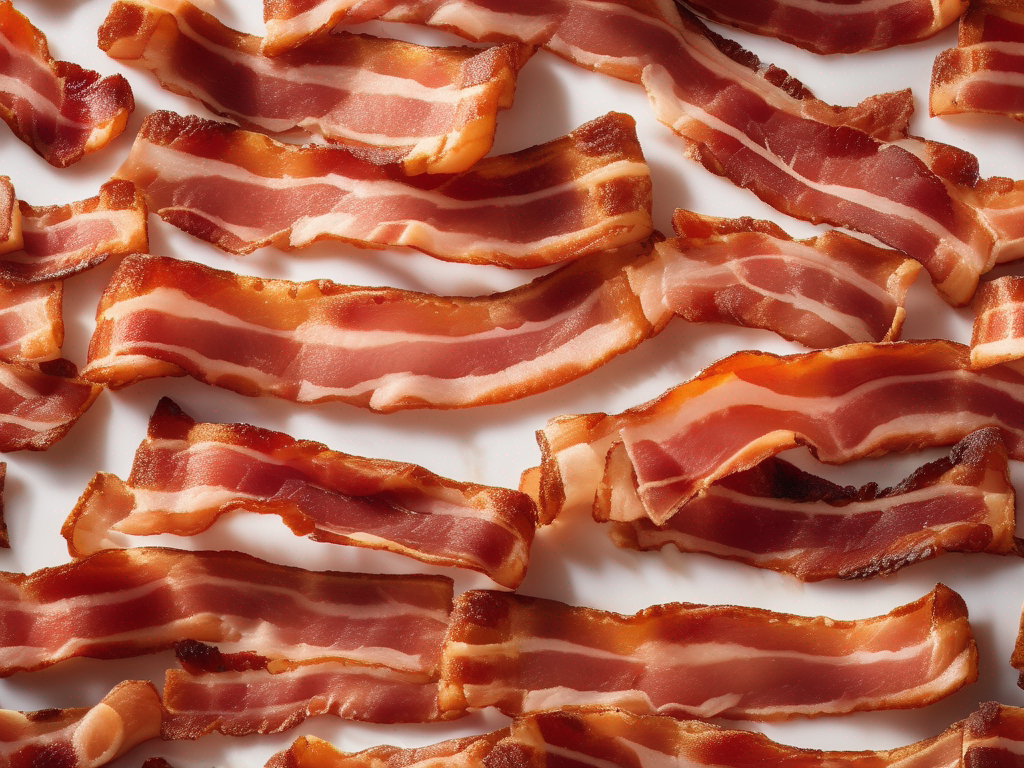
The Ultimate Guide to Bacon Expiration Date
CanIEatExpired.com Team
# The Ultimate Guide to Bacon Expiration Date

In the world of delicious breakfast meats, bacon holds a special place in many people's hearts. Its crispy, savory flavor can elevate any dish, from sandwiches to salads. But like all perishable foods, bacon does have an expiration date that should be taken seriously to ensure both taste and safety. In this comprehensive guide, we will delve into the ins and outs of bacon expiration dates, how to store bacon properly, and when it's time to say goodbye to that pack of tasty strips. ([Bacon](https://canieatexpired.com/food/bacon))

## Understanding Bacon Expiration Dates

When you purchase bacon from the store, you will notice that it comes with a "sell-by" or "use-by" date stamped on the package. While these dates are helpful guidelines, they are not strict indicators of spoilage. Here's what you need to know about bacon expiration dates:

### Sell-By Date

- The sell-by date is a guide for retailers to know how long they can display the product for sale. It is not an expiration date.
- Bacon can still be safe to eat for several days after the sell-by date if stored properly.

### Use-By Date

- The use-by date is the manufacturer's recommendation for when the product should be consumed for peak quality.
- Consuming bacon after the use-by date doesn't necessarily mean it's unsafe, but the quality may have started to deteriorate.

### Shelf Life of Bacon

- Unopened bacon can typically last in the refrigerator for 1-2 weeks past the sell-by date.
- Once opened, bacon should be consumed within 7 days for best quality.

## Factors Affecting Bacon Shelf Life

Several factors can influence the shelf life of bacon, including:

### Storage Conditions

- Proper refrigeration is key to extending the shelf life of bacon.
- Bacon should be stored at a temperature of 40°F or below to prevent bacterial growth.

### Packaging

- Bacon should remain in its original packaging or be tightly wrapped in aluminum foil or plastic wrap to prevent exposure to air.

### Odor and Appearance

- Spoiled bacon will have a sour smell, slimy texture, or a greenish hue, indicating bacterial growth.

## Tips for Proper Bacon Storage

To ensure your bacon stays fresh and safe to eat, follow these storage tips:

1. **Refrigeration**: Always store bacon in the refrigerator at 40°F or below.
2. **Seal Properly**: Keep bacon in its original packaging or wrap it tightly in aluminum foil or plastic wrap.
3. **Use airtight containers**: Consider transferring leftover bacon to airtight containers to maintain freshness.
4. **Freezing**: Bacon can be frozen for up to 1 month. Wrap it well to prevent freezer burn.

## common situation

### Morning Rush

Imagine it's a busy Saturday morning, and you’re preparing breakfast for the family. You grab a package of bacon from the fridge, only to realize it’s past the sell-by date. You might wonder, "Can I still use it?" If the bacon looks and smells fine, it’s likely safe to cook. Just be cautious and ensure you cook it thoroughly.

### Snack Attack

During a late-night snack attack, you rummaged through your fridge and stumbled across some leftover bacon from brunch earlier in the week. It's still sealed, but you can’t remember when exactly you bought it. A quick sniff test reveals a rich, smoky aroma, not a hint of sourness. In this case, cooking it up for a midnight BLT is perfectly fine!

### Meal Prep Gone Wrong

Suppose you prepped several meals with bacon earlier in the week, but life got busy, and now the meal containers are sitting in the fridge. As you go to eat one, you notice it has a slight discoloration. Rather than risking it, you decide to toss it. Smart move! It’s better to be safe than sorry when it comes to food safety.

### Family Barbecue Surprise

Picture this: you’re hosting a barbecue, and someone brings over a package of bacon they found in their fridge. It’s been there for a while, and they’re unsure about its freshness. They smell it, and it seems okay, but it’s past the use-by date. In this situation, it’s best to err on the side of caution. If you’re not completely confident about its state, don’t hesitate to discard it. After all, a safe and healthy barbecue is the most important ingredient for a great gathering!

### Weekend Brunch Mishap

You’ve planned a delightful weekend brunch with friends, complete with bacon-wrapped asparagus and savory quiches. As you prepare, you realize the bacon you bought last week was left in the fridge for a bit longer than you intended. It still looks fine, but you’re uncertain about its freshness. Taking the time for a quick inspection and relying on your senses is key here. If it appears and smells good, enjoy it! But if you sense anything off, it’s better to run to the store for a fresh package.

## Scientific Context

Understanding how bacon is made can also shed light on its shelf life. Bacon is cured and often smoked, which helps to inhibit bacterial growth. The curing process involves adding salt, nitrates, and sometimes sugars. These agents not only enhance flavor but also extend the shelf life by creating an environment that is less hospitable to bacteria.

Moreover, bacon is high in fat, which can both be a blessing and a curse. While fat helps to preserve flavors and textures, it can also go rancid if not stored correctly. When bacon starts to smell off or takes on a different color, it indicates that the fat has begun to oxidize, which can affect both flavor and safety.

### Nutritional Considerations

Bacon is often considered a guilty pleasure, but it's also packed with nutrients! A single slice of cooked bacon provides approximately 42 calories, 3 grams of protein, and various vitamins and minerals, including B vitamins and zinc. However, moderation is key due to its high sodium and fat content. Pairing bacon with healthier items like leafy greens can create a more balanced meal.

## Common Mistakes in Bacon Storage

1. **Leaving Bacon Unsealed**: Many people mistakenly think that just placing bacon in the fridge is enough. Air exposure can lead to oxidation and spoilage. Always seal it properly.

2. **Ignoring the Date**: Some folks believe that as long as the bacon doesn’t smell bad, it’s fine to eat, even weeks after the sell-by date. This can be risky—always check for signs of spoilage.

3. **Not Freezing in Portions**: If you've bought a large pack, separating it into smaller portions before freezing can save you from thawing more than you need at once, which can lead to waste.

4. **Using the Same Cookware**: If you've cooked bacon and stored it with other ingredients, be cautious. Residue can lead to spoilage if not cleaned properly. Always store leftovers separately.

5. **Relying Solely on the Smell Test**: While a smell test can often provide initial insight into the state of bacon, don’t solely rely on it. Sometimes items may smell fine but still harbor harmful bacteria. Always assess appearance and texture too.

## Expert Insights

Food safety experts recommend always trusting your senses when determining the freshness of bacon. If you're ever in doubt, you can follow these professional tips:

- **Cook Thoroughly**: To eliminate any potential bacteria, ensure bacon is cooked to a minimum internal temperature of 145°F. This will help make sure it’s safe to eat, regardless of its freshness.

- **Label Your Products**: If you’re freezing bacon, write the date it was packaged on the freezer bag. This will help you keep track of how long it’s been stored.

- **Plan Your Meals**: Create a meal plan that incorporates bacon within the first week after purchase. This can help you avoid wasting bacon that may spoil before you have a chance to use it.

- **Experiment with Recipes**: Consider using bacon in various recipes to maximize its shelf life. From soups and stews to stir-fries and salads, there are countless ways to enjoy bacon before it goes bad!

## Important Safety Warnings

Never consume bacon that shows signs of spoilage, even if you’re tempted to salvage it after cooking. The risks associated with foodborne illness, particularly from raw or undercooked pork products, can be severe. Symptoms can range from stomach cramps and vomiting to more serious conditions that necessitate medical attention.

If your bacon has an unusual smell, color, or texture, it's best to discard it rather than take the chance of getting sick. When it comes to food safety, it’s always better to err on the side of caution and keep your kitchen a safe space for delicious meals.

## Conclusion

In conclusion, understanding bacon expiration dates and proper storage techniques is essential for enjoying this delicious meat safely. By following the tips outlined in this guide, you can ensure that your bacon stays fresh, flavorful, and free from harmful bacteria. Remember, when in doubt, throw it out! Enjoy your bacon responsibly and savor every crispy bite.

For more information on [bacon](/food/bacon) and food safety, stay tuned for our upcoming blog posts! ([Bacon](https://canieatexpired.com/food/bacon))

## Related Posts

Here are some other articles you might find helpful:

- [Is Bacon Safe to Eat? A Guide to Bacon Storage and Shelf Life](/blog/will-bacon-go-bad)
- [How Long Does Bacon Last in the Fridge Unopened?](/blog/how-long-does-bacon-last-in-the-fridge-unopened)
- [How Long Will Quiche Last in the Fridge?](/blog/how-long-will-quiche-last-in-the-fridge)
- [How Long is Bacon Good for After the Expiration Date?](/blog/how-long-is-bacon-good-for-after-expiration-date)
- [The Ultimate Guide to Bacon Shelf Life](/blog/bacon-shelf-life)
Authoritative Food Safety References
These agencies and university labs inform every tip and health precaution we publish.
USDAOfficial guidance
USDA FoodKeeper – Cold Storage Guidelines
Official refrigerator, freezer, and pantry timelines maintained by the U.S. Department of Agriculture.
Visit USDA FoodKeeperFDAOfficial guidance
FDA Produce Safety Rule & Grower Guidance
Field-to-fridge handling practices that prevent contamination of fruits, vegetables, and leafy greens.
Visit FDA Produce SafetyCDCOfficial guidance
CDC Foodborne Illness Prevention Hub
Surveillance-backed guidance on pathogens, symptoms, and steps to reduce foodborne illness risk.
Visit CDC Food SafetyResearchUniversity research
UC Davis Postharvest Technology Center
University research detailing optimal storage atmospheres for produce after harvest.
Visit UC Davis PostharvestResearchUniversity research
Penn State Extension – Home Food Preservation & Safety
Peer-reviewed extension bulletins on safe canning, chilling, and reheating practices.
Visit Penn State ExtensionDisclosure: As an Amazon Associate, we earn from qualifying purchases. This helps support our site and allows us to continue providing free food safety information.
Our articles are created using a combination of AI assistance and human review. All food safety information is based on USDA guidelines and credible sources. Learn more about our review process here.