Top Tips for Extending the Shelf Life of Halibut Fresh Raw
CanIEatExpired.com Team
# Top Tips for Extending the Shelf Life of Halibut Fresh Raw

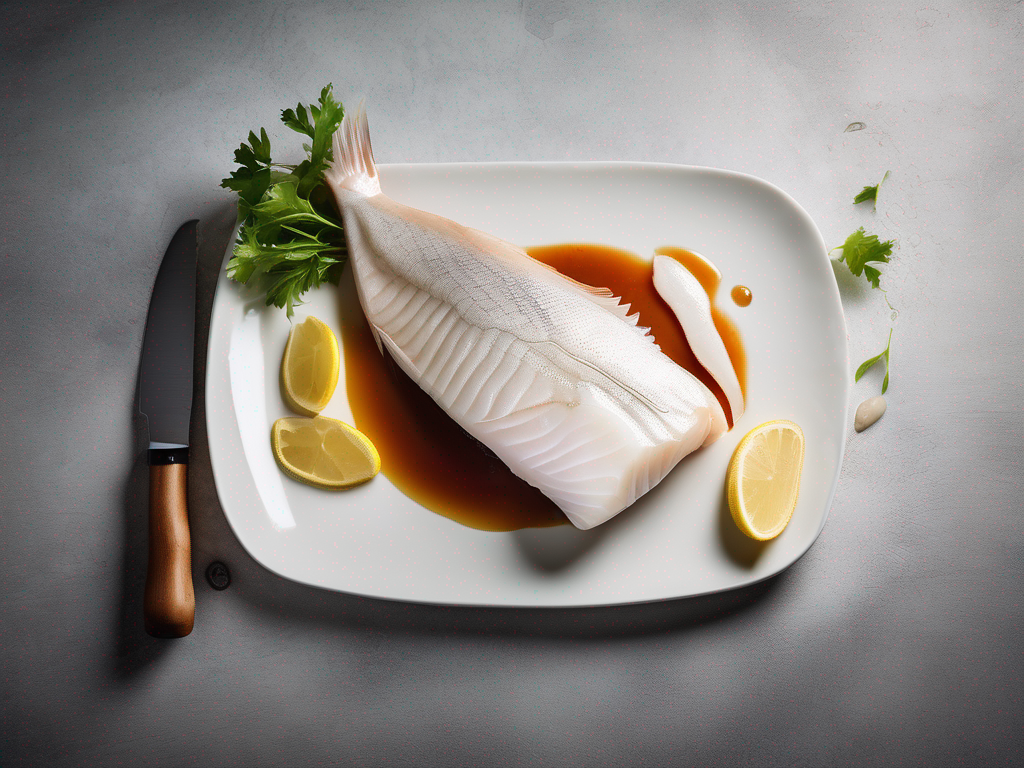
Halibut is a delicious and nutritious fish that is prized for its delicate flavor and firm texture. When handling halibut fresh raw, it's essential to follow proper food safety practices to ensure its quality and extend its shelf life. In this blog post, we will explore some top tips for extending the shelf life of halibut fresh raw, so you can enjoy this delectable fish for longer. ([Halibut fresh raw](https://canieatexpired.com/food/halibut-fresh-raw))

## Understanding Halibut Fresh Raw

Before diving into tips for extending the shelf life of halibut fresh raw, let's briefly understand what it is and why proper storage is crucial.

Halibut is a flatfish that is native to the cold waters of the North Pacific and North Atlantic oceans. It is a lean fish with a mild, sweet flavor that is versatile and can be prepared in various ways, such as grilling, baking, or pan-searing. Halibut is a good source of protein, omega-3 fatty acids, vitamins, and minerals, making it a healthy addition to your diet.

Proper storage of halibut fresh raw is essential to maintain its quality, flavor, and nutritional value. When not stored correctly, halibut can spoil quickly, leading to food waste and potential foodborne illnesses.

## Tips for Extending the Shelf Life of Halibut Fresh Raw

### 1. Purchase Fresh, High-Quality Halibut

- Buy halibut from a reputable fishmonger or seafood market that maintains high standards of freshness and quality.
- Look for halibut with clear, bright eyes, shiny skin, and a mild ocean scent. Avoid fish with dull eyes, discolored skin, or a strong fishy odor.

### 2. Proper Handling and Storage

#### Handling Halibut Fresh Raw:
- Handle halibut with clean hands and utensils to prevent cross-contamination.
- Rinse the fish under cold water and pat it dry with paper towels before storing or cooking.

#### Storing Halibut Fresh Raw:
- Store halibut fresh raw in the coldest part of the refrigerator, ideally at temperatures below 40°F (4°C).
- Place the fish in an airtight container or wrap it tightly in plastic wrap to prevent exposure to air and odors.
- Use the fish within 1-2 days of purchase for the best quality and freshness.

### 3. Freezing Halibut Fresh Raw

- If you're not planning to use the halibut fresh raw immediately, consider freezing it to extend its shelf life.
- Wrap the fish tightly in plastic wrap or aluminum foil, then place it in a freezer-safe bag or container.
- Label the package with the date of freezing and use the fish within 3-6 months for optimal quality.

### 4. Avoid Cross-Contamination

- To prevent cross-contamination and foodborne illnesses, keep halibut fresh raw away from other foods, especially ready-to-eat items.
- Use separate cutting boards, utensils, and surfaces for raw fish to avoid spreading harmful bacteria.

### 5. Cook Thoroughly Before Consumption

- When preparing halibut fresh raw, ensure it is cooked thoroughly to an internal temperature of 145°F (63°C) to kill any harmful bacteria.
- Avoid consuming raw or undercooked halibut to reduce the risk of foodborne illnesses.

## common situation: Enjoying Halibut Safely

### situation 1: Family Dinner
Imagine it's a Friday night, and you’ve decided to treat your family to a homemade halibut dinner. You head to your local seafood market and find some fresh halibut. After bringing it home, you store it correctly but forget about it in the fridge until Sunday. By the time you remember, it's past the recommended use window. To avoid this, set a reminder on your phone to use fresh seafood within a day or two of purchase. This way, you can enjoy that delicious halibut without worrying about spoilage.

### situation 2: Meal Prep
If you’re into meal prepping, perhaps you buy a larger quantity of halibut to divide into portions for the week. After cooking a few fillets, you store the rest in the refrigerator without realizing that the air exposure may lead to faster spoilage. Remember to use airtight containers or vacuum seal your portions to keep them fresh longer.

### situation 3: Freezing for Later
You cook an extravagant halibut dish for a special occasion, but there are leftovers. You’ve always heard that freezing can extend shelf life, but you’re unsure how long leftovers can last in the freezer. The rule of thumb is to use leftovers within three months for the best quality. When freezing, label the containers with the date and contents, so you can quickly identify what you have for your next meal.

## The Science of Food Safety

Understanding the science behind food safety can significantly enhance your appreciation of halibut and help you handle it better. Halibut, like many seafood, is prone to spoilage due to bacteria, particularly when not stored at the right temperature. Bacteria thrive at temperatures between 40°F and 140°F (4°C and 60°C), known as the "risks and considerations zone". Keeping halibut below 40°F can slow bacterial growth significantly.

Additionally, the freshness of fish is not just a matter of taste; it’s also a matter of safety. The freshness of halibut can be affected by several factors, including the time since it was caught, how it was handled during processing, and how it has been stored. Thus, the sooner you can consume or freeze your halibut after purchase, the better.

## Common Mistakes in Halibut Storage

1. **Storing Without Wrapping**: Many people make the mistake of simply placing halibut in the fridge without any wrapping. This can lead to dehydration and oxidation, affecting the flavor and texture. Always wrap halibut tightly or store it in a sealed container.

2. **Ignoring Expiration Dates**: It’s easy to dismiss the sell-by and use-by dates, but these are there for a reason. They indicate the period in which the fish is expected to maintain optimal freshness and safety. If you see an expiration date approaching, plan to cook or freeze it soon.

3. **Not Checking Temperature**: Some assume that their refrigerator is at the right temperature without checking. Investing in a fridge thermometer can help ensure that your halibut—and other perishables—are stored at safe temperatures.

4. **Assuming All Fish Freezes the Same**: While many people think all fish can be frozen indefinitely, this isn’t true. Each type of fish has its ideal freezing period, and halibut should ideally be consumed within six months of freezing for the best quality.

## Expert Insights: Recommendations from Food Safety Professionals

Food safety experts emphasize the importance of awareness when handling seafood. One recommendation is to always plan your meals around your freshest ingredients. “It’s easier to ensure safety and quality when you know you’re working with fish that is at its peak,” says a local fishmonger.

To extend the shelf life even further, consider marinating halibut in acidic ingredients like lemon juice. This not only adds flavor but can also inhibit bacterial growth. Additionally, incorporating techniques like brining can enhance the fish’s shelf life while improving its taste and texture.

## Conclusion

Proper storage and handling of halibut fresh raw are essential to maintain its quality, flavor, and safety. By following these top tips for extending the shelf life of halibut fresh raw, you can enjoy this delicious fish with confidence, knowing that you are practicing good food safety habits.

Remember to purchase high-quality halibut, handle and store it properly, freeze it if necessary, avoid cross-contamination, and cook it thoroughly before consumption. By incorporating these practices into your routine, you can savor the delightful taste of halibut fresh raw for longer periods while ensuring the safety of your meals.

For more information on halibut fresh raw, visit [halibut fresh raw](/food/halibut fresh raw) for a detailed guide on its nutritional benefits, recipes, and more. ([Halibut fresh raw](https://canieatexpired.com/food/halibut-fresh-raw))

## Related Posts

Here are some other articles you might find helpful:

- [Properly Storing Halibut Fresh Raw to Prevent Spoilage](/blog/how-to-properly-store-halibut-fresh-raw-to-prevent-spoilage)
- [Signs that Halibut Fresh Raw Has Gone Bad and Should Be Discarded](/blog/what-are-the-signs-that-halibut-fresh-raw-has-gone-bad-and-should-be-discarded)
Authoritative Food Safety References
These agencies and university labs inform every tip and health precaution we publish.
USDAOfficial guidance
USDA FoodKeeper – Cold Storage Guidelines
Official refrigerator, freezer, and pantry timelines maintained by the U.S. Department of Agriculture.
Visit USDA FoodKeeperFDAOfficial guidance
FDA Produce Safety Rule & Grower Guidance
Field-to-fridge handling practices that prevent contamination of fruits, vegetables, and leafy greens.
Visit FDA Produce SafetyCDCOfficial guidance
CDC Foodborne Illness Prevention Hub
Surveillance-backed guidance on pathogens, symptoms, and steps to reduce foodborne illness risk.
Visit CDC Food SafetyResearchUniversity research
UC Davis Postharvest Technology Center
University research detailing optimal storage atmospheres for produce after harvest.
Visit UC Davis PostharvestResearchUniversity research
Penn State Extension – Home Food Preservation & Safety
Peer-reviewed extension bulletins on safe canning, chilling, and reheating practices.
Visit Penn State ExtensionDisclosure: As an Amazon Associate, we earn from qualifying purchases. This helps support our site and allows us to continue providing free food safety information.
Our articles are created using a combination of AI assistance and human review. All food safety information is based on USDA guidelines and credible sources. Learn more about our review process here.