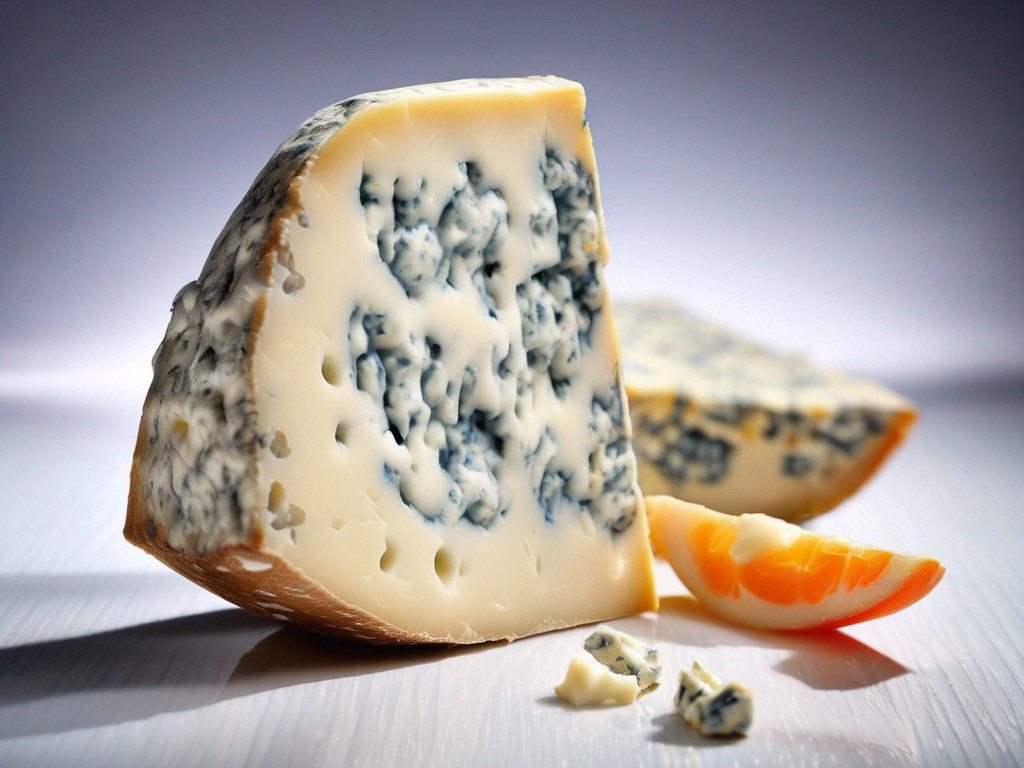
The Ultimate Guide to Properly Wrap and Store Leftover Blue Cheese Wedge
The Ultimate Guide to Properly Wrap and Store Leftover Blue Cheese Wedge
Blue cheese is a beloved cheese known for its distinct flavor and creamy texture. When you have leftover blue cheese wedge, it's essential to store it properly to maintain its freshness and prevent it from spoiling. In this guide, we will walk you through the steps to properly wrap and store leftover blue cheese wedge to ensure its quality and safety. (Blue cheese wedge)
Why Properly Storing Blue Cheese Wedge is Important
Blue cheese is a perishable food item that can spoil if not stored correctly. Improper storage can lead to the growth of harmful bacteria, which can cause foodborne illnesses. By following the proper storage guidelines, you can extend the shelf life of your blue cheese wedge and enjoy it for a longer period.
Benefits of Properly Storing Blue Cheese Wedge
- Maintains freshness and flavor
- Prevents spoilage and food waste
- Reduces the risk of foodborne illnesses
Steps to Properly Wrap and Store Leftover Blue Cheese Wedge
1. Use the Right Wrapping Material
- Wrap the blue cheese wedge in wax paper or parchment paper.
- Avoid using plastic wrap as it can trap moisture and cause the cheese to become soggy.
2. Double Wrapping Technique
- For extra protection, wrap the blue cheese wedge in aluminum foil after wrapping it in paper.
- The foil helps to create a barrier against moisture and odors, preserving the cheese's flavor.
3. Store in an Airtight Container
- Place the wrapped blue cheese wedge in an airtight container to further protect it from air and moisture.
- Make sure the container is clean and dry before storing the cheese.
4. Choose the Right Storage Location
- Store the wrapped blue cheese wedge in the refrigerator, ideally in the cheese or dairy compartment.
- Avoid storing the cheese near foods with strong odors, as blue cheese can absorb odors easily.
5. Monitor Expiration Date
- Check the expiration date of the blue cheese wedge before storing it.
- Consume the cheese within the recommended timeframe to ensure its quality and safety.
Additional Tips for Storing Blue Cheese Wedge
- Labeling: Always label the wrapped blue cheese wedge with the date of storage to keep track of its freshness.
- Cheese Paper: Consider using specialized cheese paper for wrapping blue cheese, as it allows the cheese to breathe while protecting it from moisture.
- Temperature: Keep the refrigerator temperature between 35-40°F (1-4°C) for optimal cheese storage.
- Avoid Freezing: Do not freeze blue cheese as it can alter the texture and flavor of the cheese.
Conclusion
Properly wrapping and storing leftover blue cheese wedge is crucial to maintaining its freshness and flavor. By following the steps outlined in this guide, you can ensure that your blue cheese remains safe to eat and enjoyable for an extended period. Remember to use the right wrapping materials, store the cheese in a clean container, and monitor its expiration date to make the most of your blue cheese wedge. Enjoy your delicious cheese while keeping food safety a top priority! (Blue cheese wedge)
Dairy products require consistent cold storage to prevent spoilage and bacterial growth. A refrigerator thermometer (Amazon) helps ensure your refrigerator maintains safe temperatures (40°F or below).
Authoritative Food Safety References
These agencies and university labs inform every tip and health precaution we publish.
USDA FoodKeeper – Cold Storage Guidelines
Official refrigerator, freezer, and pantry timelines maintained by the U.S. Department of Agriculture.
Visit USDA FoodKeeperFDA Produce Safety Rule & Grower Guidance
Field-to-fridge handling practices that prevent contamination of fruits, vegetables, and leafy greens.
Visit FDA Produce SafetyCDC Foodborne Illness Prevention Hub
Surveillance-backed guidance on pathogens, symptoms, and steps to reduce foodborne illness risk.
Visit CDC Food SafetyUC Davis Postharvest Technology Center
University research detailing optimal storage atmospheres for produce after harvest.
Visit UC Davis PostharvestPenn State Extension – Home Food Preservation & Safety
Peer-reviewed extension bulletins on safe canning, chilling, and reheating practices.
Visit Penn State ExtensionDisclosure: As an Amazon Associate, we earn from qualifying purchases. This helps support our site and allows us to continue providing free food safety information.