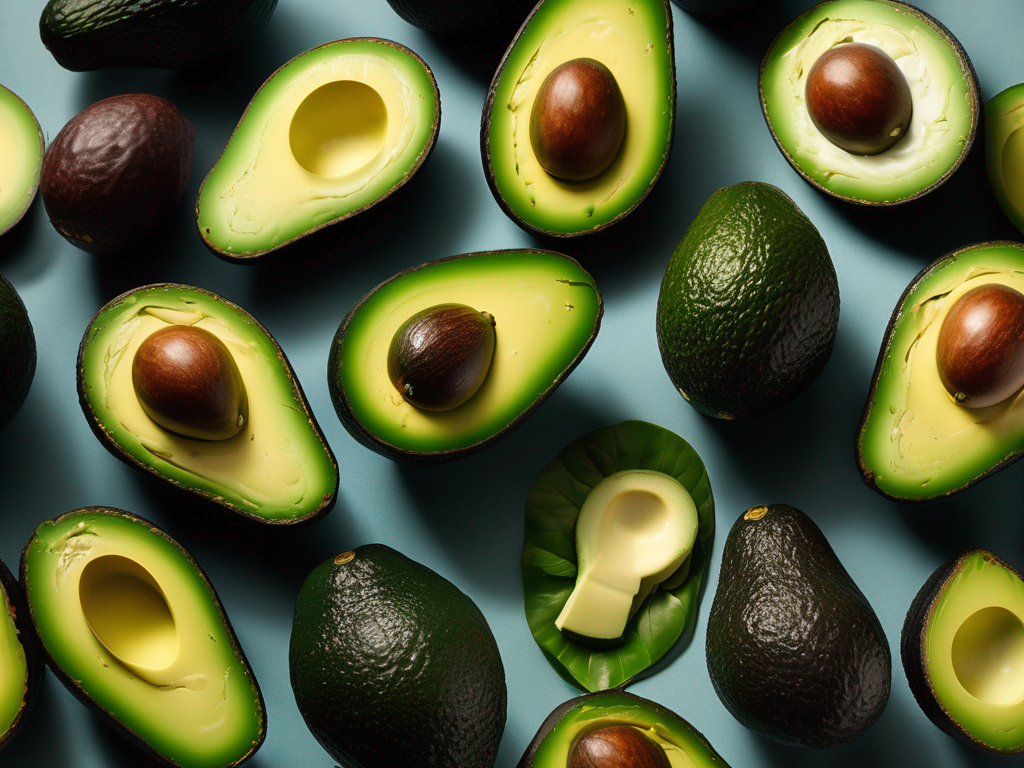
Making Your Cut Avocados Last Longer: Practical Solutions for Freshness
Making Your Cut Avocados Last Longer: Practical Solutions for Freshness
Avocados are a versatile and delicious fruit packed with nutrients and healthy fats. Whether you enjoy them sliced on toast, mashed into guacamole, or added to salads, avocados are a popular ingredient in many dishes. However, once you've cut into an avocado, it can be challenging to keep it fresh and prevent it from turning brown. In this blog post, we will explore practical solutions for extending the freshness of cut avocados, so you can enjoy them for longer periods. (Avocados)
Understanding the Science Behind Avocado Browning
Before diving into solutions for keeping cut avocados fresh, it's essential to understand why avocados turn brown. When avocados are exposed to air, an enzyme called polyphenol oxidase reacts with oxygen, causing the flesh to oxidize and darken. While this process doesn't affect the taste or safety of the avocado, it can be unappetizing and off-putting. Here are some factors that contribute to avocado browning:
Factors contributing to avocado browning:
- Exposure to oxygen
- Enzymatic reaction
- Temperature fluctuations
By addressing these factors, you can effectively slow down the browning process and extend the shelf life of your cut avocados.
Dairy products require consistent cold storage to prevent spoilage and bacterial growth. A refrigerator thermometer (Amazon) helps ensure your refrigerator maintains safe temperatures (40°F or below).
Practical Solutions for Extending Avocado Freshness
1. Store the Avocado with Onion or Lemon
- Place a slice of onion or lemon on the exposed avocado flesh before wrapping it in plastic wrap or storing it in an airtight container.
- The sulfur compounds in onions and the citric acid in lemons help slow down the enzymatic browning process.
2. Use Olive Oil or Vinegar
- Brushing the exposed avocado flesh with olive oil or vinegar creates a protective barrier against oxygen.
- The oil or vinegar helps seal in moisture and prevent rapid browning.
3. Vacuum Seal the Avocado
- Using a vacuum sealer to remove air from the storage container can significantly extend the freshness of cut avocados.
- Vacuum sealing reduces oxygen exposure, slowing down the oxidation process.
4. Store Avocado in Water
- Submerge the cut avocado in a bowl of water, ensuring the flesh is completely covered.
- Water creates a barrier between the avocado and oxygen, keeping it fresh for a longer period.
5. Wrap the Avocado in Plastic Wrap
- Wrap the cut avocado tightly in plastic wrap, ensuring there are no air pockets.
- The plastic wrap helps prevent oxygen from reaching the flesh, slowing down browning.
Safety Tips for Storing Cut Avocados
- Always use clean utensils and cutting boards when handling avocados to prevent contamination.
- Store cut avocados in the refrigerator to slow down the enzymatic browning process.
- Check the avocado for any signs of spoilage, such as off smells or mold growth, before consuming.
Conclusion
By utilizing these practical solutions and following safety tips, you can extend the freshness of cut avocados and enjoy them for longer periods. Experiment with different methods to find the one that works best for you and fits your storage preferences. Remember to store avocados properly, handle them with care, and enjoy their creamy goodness in various dishes. With these tips in mind, you can make the most of your avocados and minimize food waste. Learn more about avocados and discover exciting recipes to incorporate this nutrient-rich fruit into your meals. (Avocados)
Related Posts
Here are some other articles you might find helpful:
Authoritative Food Safety References
These agencies and university labs inform every tip and health precaution we publish.
USDA FoodKeeper – Cold Storage Guidelines
Official refrigerator, freezer, and pantry timelines maintained by the U.S. Department of Agriculture.
Visit USDA FoodKeeperFDA Produce Safety Rule & Grower Guidance
Field-to-fridge handling practices that prevent contamination of fruits, vegetables, and leafy greens.
Visit FDA Produce SafetyCDC Foodborne Illness Prevention Hub
Surveillance-backed guidance on pathogens, symptoms, and steps to reduce foodborne illness risk.
Visit CDC Food SafetyUC Davis Postharvest Technology Center
University research detailing optimal storage atmospheres for produce after harvest.
Visit UC Davis PostharvestPenn State Extension – Home Food Preservation & Safety
Peer-reviewed extension bulletins on safe canning, chilling, and reheating practices.
Visit Penn State ExtensionDisclosure: As an Amazon Associate, we earn from qualifying purchases. This helps support our site and allows us to continue providing free food safety information.