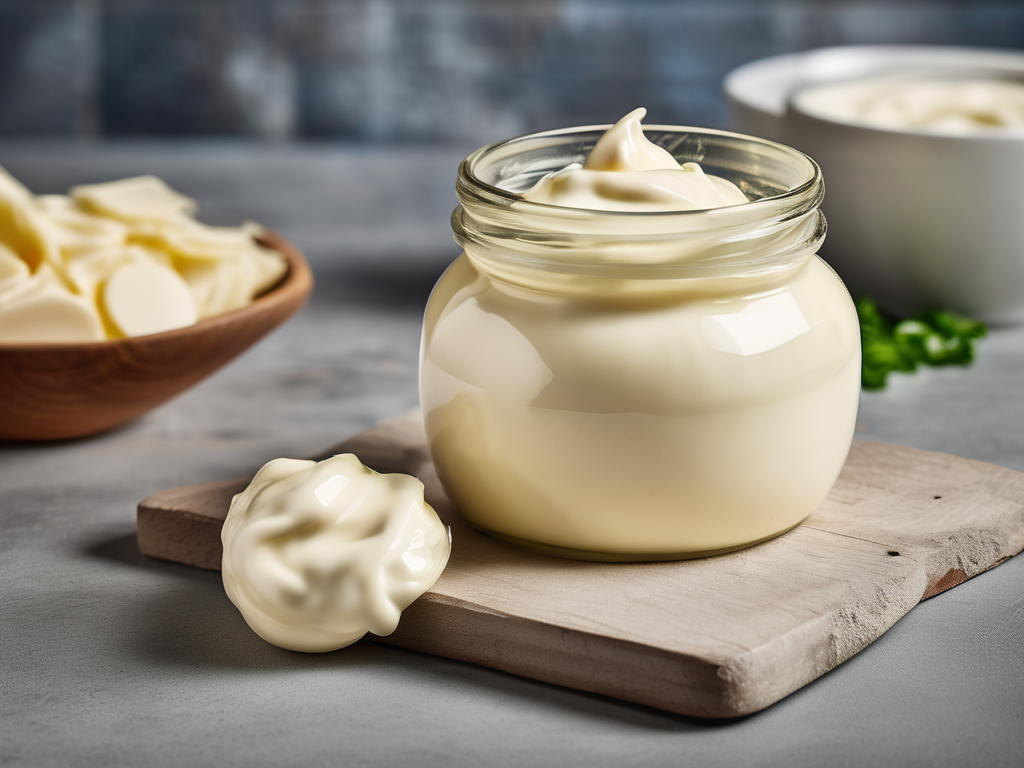
Understanding the Shelf Life of Unopened Mayonnaise
CanIEatExpired.com Team
# Understanding the Shelf Life of Unopened Mayonnaise

Mayonnaise is a popular condiment that adds creamy richness to sandwiches, salads, and dips. Whether you use it sparingly or liberally, knowing how long your jar of mayonnaise will last before opening it is essential for food safety and quality. In this blog post, we will delve into the shelf life of unopened mayonnaise, factors that affect its longevity, and tips on how to store it properly. ([Mayonnaise unopened](https://canieatexpired.com/food/mayonnaise-unopened))

## Factors Affecting the Shelf Life of Unopened Mayonnaise

Unopened mayonnaise, when stored correctly, can last for a significant period. However, several factors can influence its shelf life:

### Ingredients

- Quality of ingredients used in the mayonnaise formulation
- Presence of preservatives like vinegar or lemon juice
- Antioxidants used to prevent rancidity

### Packaging

- Airtight packaging to prevent oxidation and spoilage
- Material of the container (glass jars are preferable to plastic)

### Storage Conditions

- Temperature fluctuations
- Exposure to light
- Humidity levels in the storage area

## Determining the Shelf Life of Unopened Mayonnaise

The shelf life of unopened mayonnaise can vary depending on the brand and quality of the product. Typically, commercially produced mayonnaise has a shelf life of:

- **Unrefrigerated:** 1-3 months
- **Refrigerated:** 6-8 months to 1 year

It's important to check the "best by" or "use by" date on the packaging to determine the freshness of the product. While mayonnaise is a stable product, proper storage is crucial to maintaining its quality.

## Storage Tips for Unopened Mayonnaise

To ensure your unopened mayonnaise stays fresh for as long as possible, follow these storage tips:

### 1. Store in a Cool, Dark Place

- Keep the mayonnaise away from direct sunlight and heat sources.
- Optimal storage temperature is between 50°F to 70°F (10°C to 21°C).

### 2. Keep the Container Sealed

- Make sure the lid is tightly closed to prevent air exposure.
- Avoid transferring mayonnaise to unsealed containers.

### 3. Avoid Temperature Fluctuations

- Do not store mayonnaise near appliances that emit heat.
- Keep the product away from temperature fluctuations that can affect its stability.

### 4. Check for Signs of Spoilage

- Discard the product if you notice any changes in color, texture, or odor.
- Mold growth or separation of ingredients indicates spoilage.

### 5. Follow the Storage Instructions

- If the manufacturer provides specific storage instructions, follow them diligently.
- Refrigerate the mayonnaise once opened to extend its shelf life.

## common situation

Understanding the practical implications of mayonnaise shelf life can help you avoid food waste and ensure your meals are safe and delicious. Here are some relatable stories:

### situation 1: The Last-Minute Picnic Prep

Imagine you’re packing for a spontaneous picnic with friends. You reach into your pantry for the mayonnaise to whip up some quick sandwiches. You find a jar that’s been sitting there for months. You check the “best by” date, and it’s still within range, but you hesitate. You remember reading that it can spoil if not stored properly. Instead of risking it, you opt for a fresh jar from the fridge. This decision not only keeps your sandwiches safe but also impresses your friends with a delicious, creamy texture.

### situation 2: The Family BBQ

During a summer BBQ, your relative brings along a jar of unopened mayonnaise they purchased months ago. They assume it’s still good to use, but they’ve kept it in a warm garage rather than a cool kitchen. When they open it, that familiar tangy smell is replaced by a strange odor that makes everyone step back. This prompts a conversation about proper storage and the importance of checking for signs of spoilage, leading to a shared laugh about the importance of food safety.

### situation 3: Leftover Challenges

After a big party with sandwiches and dips galore, you find yourself with leftover mayonnaise. You’re unsure how long it’s been in your pantry and whether it’s still safe to use. Instead of taking a gamble, you decide to check for any changes or odd smells, remembering the tips you read earlier. Thankfully, it’s still good, which makes whipping up a quick potato salad for lunch a breeze!

## Scientific Context: Understanding Preservation

Mayonnaise is primarily an emulsion made of oil, egg yolk, and an acid like vinegar or lemon juice. This combination not only creates a creamy texture but also contributes to its shelf life. The acidity from the vinegar helps lower the pH, inhibiting the growth of harmful bacteria.

Preservation methods, including pasteurization of egg yolks and the addition of preservatives, further enhance its shelf stability. However, it's crucial to remember that once opened, this delicate balance can shift. The exposure to air and potential introduction of bacteria from utensils can compromise its quality.

## Common Mistakes in Mayonnaise Storage

Many people make simple mistakes that can affect the longevity and safety of their mayonnaise. Here are a few common pitfalls:

### 1. Storing in the Wrong Place

One common mistake is storing mayonnaise in the door of the refrigerator, where temperatures fluctuate more frequently. Instead, it's best to keep it in the main body, where the temperature remains consistent.

### 2. Not Checking Dates

Assuming that “best by” means the product is safe indefinitely can lead to surprises. Always check the date and consider the storage conditions before using.

### 3. Using Contaminated Utensils

When spooning out mayonnaise, using a utensil that has come in contact with other food can introduce bacteria. This can lead to spoilage even if the jar is still sealed. Use clean utensils each time!

## Expert Insights: Professional Recommendations

Food safety experts emphasize the importance of maintaining proper storage practices for mayonnaise. Food safety guidance from public health agencies, a food safety consultant, advises, "Always err on the side of caution. If you’re ever in doubt about the freshness of your mayonnaise, it’s safer to throw it out. It’s a small price to pay for your health."

Additionally, she recommends consumers familiarize themselves with the specific brands they purchase. "Some may have unique preservatives or ingredients that affect their shelf life," she notes.

## Practical Tips for Long-Term Storage

If you want to keep your mayonnaise fresh for an extended period, consider these practical storage tips:

### 1. Use Ice Packs

If you're traveling with mayonnaise or taking it to a picnic, consider using ice packs to keep it cool. This helps maintain a safe temperature and ensures its freshness.

### 2. Vacuum Sealing

If you find yourself with a large quantity of mayonnaise, consider vacuum sealing the jar (if possible) before storing it in the fridge. This reduces air exposure and can prolong its life.

### 3. Regular Inventory

Keep a regular inventory of your pantry staples, including mayonnaise. This habit helps you keep track of what you have and ensures you use items before they reach their expiration.

### 4. Repackage for Smaller Portions

If you’re nearing the end of a jar but don’t want to waste any leftover mayonnaise, consider transferring it into a smaller, airtight container. This way, you’ll minimize air exposure each time you open and close the main jar.

## Safety Warnings and Considerations

While mayonnaise is generally safe, improper storage can lead to foodborne illness. Here are essential safety warnings to keep in mind:

- **Watch for Temperature Abuse**: Mayonnaise should not be left out at room temperature for extended periods. The FDA recommends not exceeding two hours at room temperature to prevent bacterial growth.

- **Be Mindful of Allergens**: If you’re sharing food, remember that mayonnaise contains eggs. Be mindful of guests who may have allergies or dietary restrictions.

- **Dispose of If Unsure**: Always trust your senses. If mayonnaise looks, smells, or tastes off, it’s best to err on the side of caution and dispose of it.

## Conclusion

In conclusion, unopened mayonnaise can last for several months to a year when stored properly. By understanding the factors that influence its shelf life and following storage tips, you can enjoy fresh and safe mayonnaise for a longer period. Remember to always check the expiration date and discard any product that shows signs of spoilage. Proper storage practices not only ensure food safety but also maintain the quality of your favorite condiment.

For more information on food safety and storage, visit our [mayonnaise unopened](/food/mayonnaise unopened) section. Stay informed and keep your kitchen stocked with fresh, delicious ingredients! ([Mayonnaise unopened](https://canieatexpired.com/food/mayonnaise-unopened))

## Related Posts

Here are some other articles you might find helpful:

- [Is Your Unopened Mayonnaise Still Safe to Eat?](/blog/how-can-you-tell-if-mayonnaise-unopened-is-still-good-to-eat)
- [Can Unopened Mayonnaise Go Bad if Left Out of the Fridge?](/blog/can-mayonnaise-unopened-go-bad-if-left-out-of-the-fridge)
Authoritative Food Safety References
These agencies and university labs inform every tip and health precaution we publish.
USDAOfficial guidance
USDA FoodKeeper – Cold Storage Guidelines
Official refrigerator, freezer, and pantry timelines maintained by the U.S. Department of Agriculture.
Visit USDA FoodKeeperFDAOfficial guidance
FDA Produce Safety Rule & Grower Guidance
Field-to-fridge handling practices that prevent contamination of fruits, vegetables, and leafy greens.
Visit FDA Produce SafetyCDCOfficial guidance
CDC Foodborne Illness Prevention Hub
Surveillance-backed guidance on pathogens, symptoms, and steps to reduce foodborne illness risk.
Visit CDC Food SafetyResearchUniversity research
UC Davis Postharvest Technology Center
University research detailing optimal storage atmospheres for produce after harvest.
Visit UC Davis PostharvestResearchUniversity research
Penn State Extension – Home Food Preservation & Safety
Peer-reviewed extension bulletins on safe canning, chilling, and reheating practices.
Visit Penn State ExtensionDisclosure: As an Amazon Associate, we earn from qualifying purchases. This helps support our site and allows us to continue providing free food safety information.
Our articles are created using a combination of AI assistance and human review. All food safety information is based on USDA guidelines and credible sources. Learn more about our review process here.