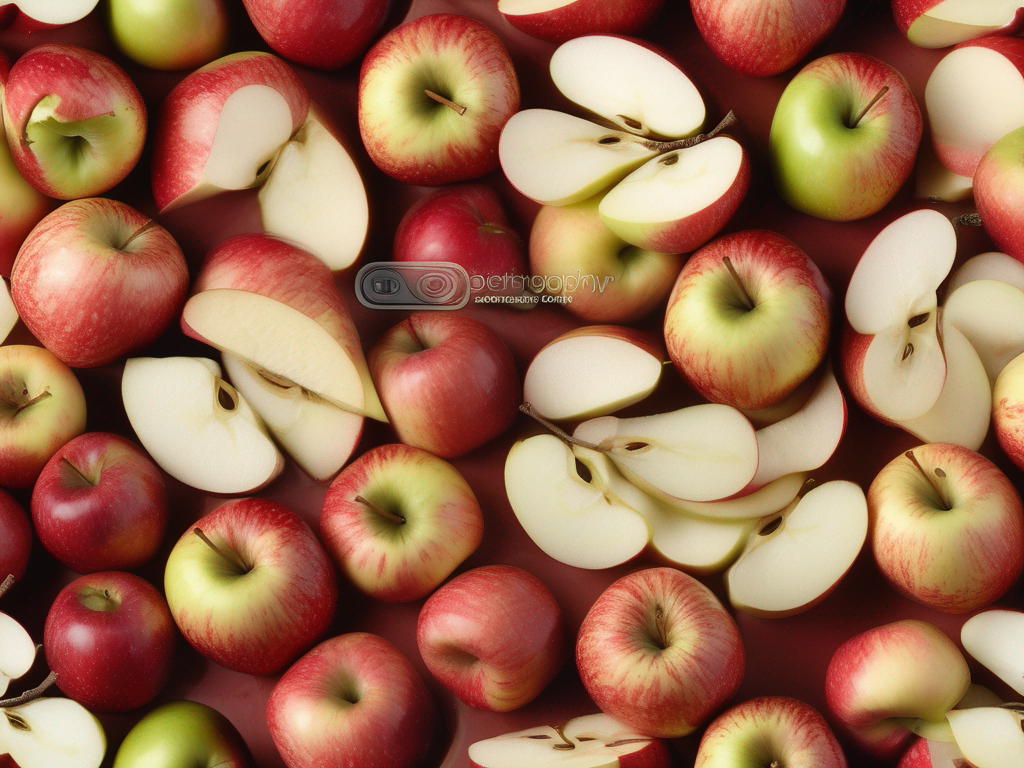
The Shelf Life of Apples: Everything You Need to Know
The Shelf Life of Apples: Everything You Need to Know
Apples are not only a delicious and versatile fruit but also a pantry staple that can last for quite some time if stored properly. Understanding the shelf life of apples can help you enjoy their freshness and flavor for longer periods. In this comprehensive guide, we will explore everything you need to know about how to store apples to maximize their shelf life. (Apple)
Factors Affecting the Shelf Life of Apples
Several factors can influence the shelf life of apples, including:
1. Variety
Different apple varieties have varying shelf lives. Some varieties, like Granny Smith and Fuji, tend to last longer than others.
Proper airflow and humidity control can significantly extend produce freshness. Many households use produce storage containers (Amazon) in the refrigerator to regulate moisture and slow spoilage.
2. Ripeness
Apples that are overly ripe will not last as long as those that are picked at the right time. Look for firm apples without bruises or blemishes.
3. Storage Conditions
Proper storage is crucial for extending the shelf life of apples. Factors such as temperature, humidity, and exposure to ethylene gas can impact how long apples stay fresh.
4. Preservation Methods
Certain preservation methods, such as refrigeration or freezing, can help extend the shelf life of apples.
How to Store Apples for Maximum Freshness
To ensure your apples stay fresh for as long as possible, follow these storage tips:
-
Room Temperature: Apples can be stored at room temperature for up to one week. Keep them in a cool, dark place away from direct sunlight.
-
Refrigeration: For longer storage, place apples in the crisper drawer of your refrigerator. Store them in a perforated plastic bag to maintain humidity levels.
-
Avoid Moisture: Moisture can cause apples to spoil quickly. Make sure to remove any wet or damaged apples from the storage area.
-
Separate Apples: Apples release ethylene gas, which can speed up the ripening process of other fruits and vegetables. Store apples away from other produce items.
-
Check and Rotate: Regularly inspect your apples for any signs of spoilage and use the first-in, first-out method to ensure older apples are consumed first.
Preserving Apples for Long-Term Storage
If you have an abundance of apples and want to preserve them for later use, consider the following methods:
1. Freezing Apples
Freezing is a great way to preserve the freshness of apples for an extended period. Here's how you can freeze apples:
- Wash, peel, and core the apples.
- Cut them into slices or cubes.
- Toss the apples with lemon juice to prevent browning.
- Place the apples in a freezer-safe container or bag.
- Label and date the container before placing it in the freezer.
2. Canning Apples
Canning is another popular method for preserving apples. Follow these steps to can apples:
- Prepare a syrup or liquid solution for the apples.
- Peel, core, and slice the apples.
- Pack the apples into sterilized jars.
- Pour the syrup over the apples, leaving headspace.
- Process the jars in a water bath canner according to the recommended guidelines.
common situation: When Apples Need Proper Storage
situation 1: The Family Gathering
Imagine hosting a family gathering where you plan to serve a delightful apple pie. You buy a large batch of apples, only to realize the next day that some of them have started to spoil. By understanding how to store apples properly, you could have prevented this waste. Instead of leaving them out on the counter, storing them in the fridge would have extended their freshness, ensuring you had enough for the pie.
situation 2: The Weekly Grocery Run
Many people buy apples during their weekly grocery runs, intending to snack on them throughout the week. However, without proper storage, they may find half of the apples bruised or rotten by the end of the week. If you separate them from other fruits as recommended and place them in the crisper, you'll enjoy crisp, fresh apples well into your next grocery trip.
situation 3: The Post-Thanksgiving Apple Leftovers
After Thanksgiving, you might find leftover apples from a fruit centerpiece. Rather than letting them wilt on the counter, using a airtight container in the fridge can keep them fresh, allowing you to enjoy them in salads or as snacks for weeks to come.
Scientific Context: The Chemistry of Freshness
Apples are a marvel of nature, rich in nutrients and full of taste. They contain phenolic compounds, which are significant for both flavor and nutritional quality. These compounds also play a role in the apple's shelf life. Ethylene gas, which apples naturally emit, is a plant hormone that regulates their ripening process. By understanding this, you can make better choices about how to store them, as separating them from other produce helps slow down the ripening of both the apples and any nearby fruits.
Practical Tips for Apple Storage
While the basics of apple storage are essential, here are some additional practical tips that can help extend their freshness even further:
-
Use a Paper Towel: If you're storing apples in a bag, consider wrapping them individually in a paper towel. This can absorb excess moisture, helping to reduce the risk of spoilage.
-
Check for Bruises: Always perform a quick inspection before storing apples. A single bruised apple can emit ethylene gas, hastening the ripening and decay of its neighbors.
-
Store Away from Potatoes: Potatoes release moisture and gases that can negatively affect apples. Storing them together can lead to quicker spoilage.
-
Consider Your Climate: If you live in a humid area, ensure your apples are stored in a dry environment. Humidity can lead to mold and spoilage.
Common Mistakes to Avoid
Many people are unaware of common mistakes that can lead to premature spoilage of apples. Here are a few to watch out for:
-
Storing in Direct Sunlight: A sunny spot may seem like a good place to store apples, but it leads to quicker ripening and spoilage. Always choose a cool, dark location.
-
Ignoring Ethylene Sensitivity: People often store apples alongside other ethylene-sensitive fruits, leading to increased spoilage. Keep apples separate to maximize their shelf life.
-
Washing Before Storage: While it’s essential to wash apples before eating them, washing them before storage can introduce moisture that promotes spoilage. Wash them just before consumption.
Expert Insights on Apple Freshness
Professional food safety experts recommend using different storage methods based on your intended use. If you plan to eat apples within a week, room temperature is just fine. However, if you're looking to keep them fresh for a month or longer, refrigeration is the way to go. Additionally, consider investing in a hygrometer for your fridge. Maintaining the right humidity is crucial for keeping apples fresh.
Safety Warnings: When Apples Are No Longer Safe to Eat
While apples are generally safe to eat, they can spoil. Signs that an apple has gone bad include:
- Softness: A soft texture is usually a sign that the apple is overripe or rotten.
- Discoloration: Brown spots or mushy areas often indicate spoilage.
- Off Smell: If an apple releases a sour or fermented smell, it should be discarded.
Always err on the side of caution—if you're unsure about the safety of an apple, it's better to discard it than risk foodborne illness.
Conclusion
By understanding the factors that affect the shelf life of apples and following proper storage and preservation methods, you can enjoy fresh apples for an extended period. Whether you prefer snacking on crisp apples or using them in your favorite recipes, proper storage techniques can help maintain their flavor and texture. Experiment with different storage methods to find what works best for your needs and enjoy the natural sweetness of apples year-round.
For more information on apples, visit our main apple page. (Apple)
Related Posts
Here are some other articles you might find helpful:
Authoritative Food Safety References
These agencies and university labs inform every tip and health precaution we publish.
USDA FoodKeeper – Cold Storage Guidelines
Official refrigerator, freezer, and pantry timelines maintained by the U.S. Department of Agriculture.
Visit USDA FoodKeeperFDA Produce Safety Rule & Grower Guidance
Field-to-fridge handling practices that prevent contamination of fruits, vegetables, and leafy greens.
Visit FDA Produce SafetyCDC Foodborne Illness Prevention Hub
Surveillance-backed guidance on pathogens, symptoms, and steps to reduce foodborne illness risk.
Visit CDC Food SafetyUC Davis Postharvest Technology Center
University research detailing optimal storage atmospheres for produce after harvest.
Visit UC Davis PostharvestPenn State Extension – Home Food Preservation & Safety
Peer-reviewed extension bulletins on safe canning, chilling, and reheating practices.
Visit Penn State ExtensionDisclosure: As an Amazon Associate, we earn from qualifying purchases. This helps support our site and allows us to continue providing free food safety information.