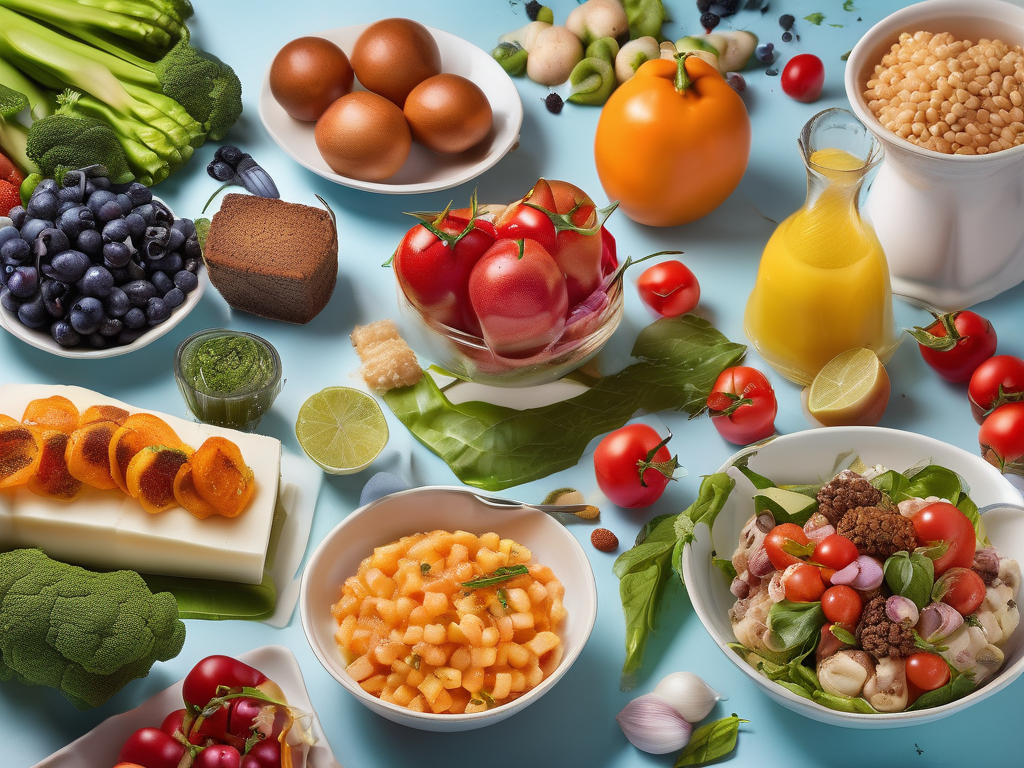
The Ultimate Guide to Foods with Longer Shelf Life
CanIEatExpired.com Team
# The Ultimate Guide to Foods with Longer Shelf Life

In today's fast-paced world, having a stock of foods with longer shelf life is essential for convenience, cost-effectiveness, and emergency preparedness. Whether you're stocking up your pantry or preparing for unexpected situations, knowing which foods can last longer can help you make smart choices. In this comprehensive guide, we'll explore a variety of foods that have a longer shelf life, practical storage tips, and food safety information to ensure you're always prepared.

## Understanding Shelf Life

Before we delve into specific foods with longer shelf life, let's first understand what shelf life means. Shelf life refers to the length of time that a food product can be stored under specific conditions while maintaining its quality and safety for consumption. Factors such as packaging, storage temperature, and moisture levels can all impact the shelf life of a food item.

### Factors Affecting Shelf Life
- **Packaging:** Airtight and moisture-proof packaging can extend shelf life.
- **Storage Temperature:** Storing foods in cool, dry conditions can help prolong shelf life.
- **Moisture Content:** Foods with lower moisture content tend to have a longer shelf life.
- **Presence of Oxygen:** Oxygen can cause food to spoil faster, so vacuum-sealed packaging can help.

## Foods with Longer Shelf Life

Now, let's explore a variety of foods that are known for their extended shelf life, making them excellent choices for stocking up your pantry.

### 1. Canned Foods
- **Canned Vegetables:** Green beans, corn, and tomatoes are great options.
- **Canned Fruits:** Pineapple, peaches, and pears can last for a long time.
- **Canned Proteins:** Tuna, chicken, and beans are versatile and have a long shelf life.

### 2. Dried Grains and Legumes
- **Rice:** White rice, brown rice, and wild rice are pantry staples with a long shelf life.
- **Beans:** Black beans, chickpeas, and lentils are nutritious and can be stored for years.
- **Pasta:** Dry pasta varieties like spaghetti and penne have a long shelf life.

### 3. Nuts and Seeds
- **Almonds:** Rich in nutrients, almonds have a long shelf life when stored properly.
- **Chia Seeds:** Packed with omega-3 fatty acids, chia seeds can last for years.
- **Pumpkin Seeds:** High in antioxidants, pumpkin seeds are a healthy snack with a long shelf life.

### 4. Shelf-Stable Dairy Products
- **Powdered Milk:** Great for baking and cooking, powdered milk has a long shelf life.
- **Evaporated Milk:** Ideal for recipes, evaporated milk can last for months.
- **Hard Cheeses:** Parmesan and cheddar cheeses have a longer shelf life compared to soft cheeses.

### 5. Freeze-Dried Foods
- **Fruits:** Freeze-dried strawberries, apples, and bananas are lightweight and have a long shelf life.
- **Meats:** Freeze-dried meats like beef and chicken are convenient for camping and emergencies.
- **Vegetables:** Freeze-dried vegetables retain their nutrients and can be stored for years.

## common situation

Imagine you're preparing for a big storm that might leave you without power for several days. You decide to stock your pantry with food that will last. Your first thought is to grab those canned goods—maybe some hearty soups and vegetables. When the storm hits, you're thankful for your foresight. You can easily whip up a warm meal with just a can opener and some boiling water.

In another situation, Common situations include work schedule. You come home exhausted and don't feel like cooking. If you have a stash of dried grains and legumes, you can prepare a quick, nutritious meal in about 20 minutes. Just soak some lentils, cook them up with canned tomatoes, and serve it over rice. It’s healthy, ready in no time, and you didn’t have to run to the store!

Finally, think about a family camping trip. You might pack some freeze-dried meals and fruits to enjoy while you're out in nature. After a long day of hiking, you can simply add hot water to your freeze-dried meals, and within minutes, you have a delicious dinner. Many people don’t realize how easy it is to prepare meals with these foods, making your outdoor adventures more enjoyable and stress-free.

### Emergency Preparedness

In emergencies where fresh food supplies are cut off, having a well-stocked pantry can be a lifesaver. In a situation like this, you might rely on freeze-dried foods, which retain nutrients and flavor while providing you with the energy needed to get through tough times. Many people don’t realize that these foods can also be delicious; rehydrate them properly, and you can enjoy a variety of meals, from fruits for breakfast to savory dishes for dinner.

## Practical Tips for Storing Foods with Longer Shelf Life

To ensure the longevity of your food items with longer shelf life, follow these practical storage tips:

1. **Keep It Cool:** Store foods in a cool, dry place away from direct sunlight.
2. **Check Expiry Dates:** Rotate your stock and consume items before they expire.
3. **Use Airtight Containers:** Transfer opened items to airtight containers to maintain freshness.
4. **Label and Date:** Clearly label containers with the contents and date of storage.
5. **Monitor Temperature:** Keep track of storage temperatures to prevent spoilage.

### Best Practices for Long-Term Storage

Using Mylar bags with oxygen absorbers for storing grains and legumes can extend their shelf life significantly. These bags are excellent at keeping moisture out, which is crucial in preserving the quality of dry foods. Another popular method is vacuum sealing, which removes air from the packaging and protects against oxidation. This is especially useful for nuts and seeds!

### Additional Storage Methods
Many individuals overlook the benefits of maintaining specific humidity levels in their storage areas. For example, using desiccant packs in containers can help absorb excess moisture, further protecting your food. If you're in a particularly humid environment, consider using airtight buckets with gamma lids for grains and legumes, as they can be sealed more tightly than traditional lids.

## Common Mistakes to Avoid

Many people think that all canned foods are safe indefinitely, but that’s not the case. While many cans can last for years, they do have a shelf life, and it's important to respect this by checking the expiration dates. Additionally, some mistakenly believe that if a food doesn't look spoiled, it’s safe to eat. Always inspect for signs of spoilage, including unusual odors or changes in color or texture.

Another frequent error is not utilizing foods in order of their expiration dates. This can lead to wasted food if older items are forgotten in the back of your pantry. Practice the FIFO (First In, First Out) method to ensure you consume your food before it expires.

## Expert Insights on Food Safety

From a food safety perspective, it's critical to follow the guidelines provided by the USDA or local health departments. As a general rule, if a can is bulging, leaking, or rusted, it’s best to discard it. Furthermore, foods stored in jars should be checked for a vacuum seal before consumption—if the lid pops up when pressed, it may not be safe to eat.

Many people overlook the importance of cleaning and sanitizing storage areas. Regularly inspect your pantry for pests or signs of spoilage, as these can compromise your food storage. It's also advisable to store your foods off the ground and away from walls to prevent moisture from seeping in.

## Food Safety Considerations

While foods with longer shelf life are convenient, it's important to prioritize food safety. Here are some key considerations:

- **Inspect for Damage:** Check canned goods for dents or bulges before consuming.
- **Follow Storage Instructions:** Adhere to storage guidelines on packaging for optimal shelf life.
- **Practice FIFO:** Use the "First In, First Out" method to rotate your food stock.
- **Be Mindful of Allergens:** Take note of allergen information on packaging to avoid any adverse reactions.

### Safety Warnings for Specific Foods

Be particularly cautious with canned goods that have been prepared with added preservatives or juices. Some acidic foods can interact poorly with can linings over time, leading to potential contamination. Similarly, while dried foods are great, improper rehydration can lead to foodborne illness if not handled with care.

Many people don’t realize that certain foods, like extended shelf-life dairy products, can have specific storage requirements to maintain quality. For example, powdered milk should be kept in a cool, dark place to prevent the fats from going rancid.

## Nutritional Benefits of Foods with Longer Shelf Life

Many of the foods mentioned are not only convenient but also pack a nutritional punch. For instance, legumes are high in protein and fiber, making them a great alternative to meat. Similarly, nuts and seeds are rich in healthy fats, vitamins, and minerals, contributing to a balanced diet even in lean times.

Moreover, freeze-dried fruits retain most of their nutrients and can serve as an excellent source of vitamins, especially when fresh produce is not available. For families with children, incorporating these nutrient-dense foods into meals can help ensure everyone gets the required vitamins and minerals without much effort.

## Conclusion

Stocking up on foods with longer shelf life is a smart way to ensure you have essential supplies on hand for any situation. By choosing a variety of canned goods, dried grains, nuts, shelf-stable dairy products, and freeze-dried foods, you can build a well-rounded pantry that can last for months or even years. Remember to follow proper storage tips and food safety guidelines to maximize the shelf life of your stored items. With careful planning and preparation, you can have peace of mind knowing that you're always ready for whatever comes your way.
Authoritative Food Safety References
These agencies and university labs inform every tip and health precaution we publish.
USDAOfficial guidance
USDA FoodKeeper – Cold Storage Guidelines
Official refrigerator, freezer, and pantry timelines maintained by the U.S. Department of Agriculture.
Visit USDA FoodKeeperFDAOfficial guidance
FDA Produce Safety Rule & Grower Guidance
Field-to-fridge handling practices that prevent contamination of fruits, vegetables, and leafy greens.
Visit FDA Produce SafetyCDCOfficial guidance
CDC Foodborne Illness Prevention Hub
Surveillance-backed guidance on pathogens, symptoms, and steps to reduce foodborne illness risk.
Visit CDC Food SafetyResearchUniversity research
UC Davis Postharvest Technology Center
University research detailing optimal storage atmospheres for produce after harvest.
Visit UC Davis PostharvestResearchUniversity research
Penn State Extension – Home Food Preservation & Safety
Peer-reviewed extension bulletins on safe canning, chilling, and reheating practices.
Visit Penn State ExtensionDisclosure: As an Amazon Associate, we earn from qualifying purchases. This helps support our site and allows us to continue providing free food safety information.
Our articles are created using a combination of AI assistance and human review. All food safety information is based on USDA guidelines and credible sources. Learn more about our review process here.