The Ultimate Guide to Shelf Life of Ginger Root
The Ultimate Guide to Shelf Life of Ginger Root
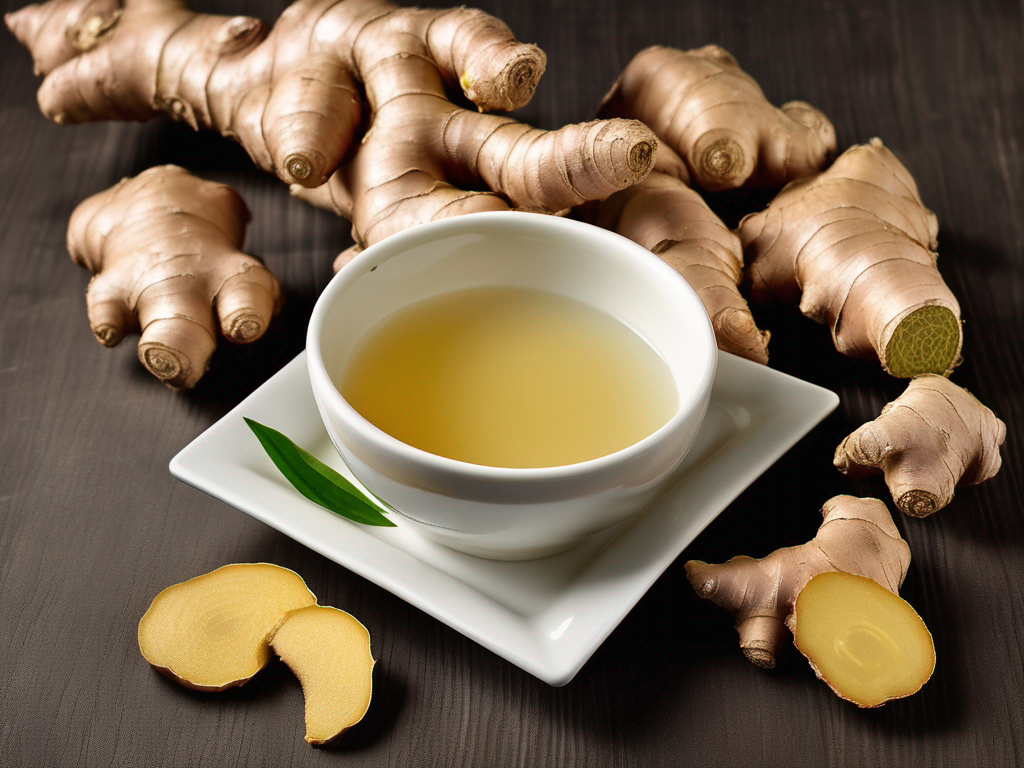
Ginger root is a versatile and flavorful ingredient used in various culinary dishes and beverages. Whether you enjoy adding it to stir-fries, teas, or baked goods, knowing how to properly store ginger root is essential to maintain its freshness and flavor. In this comprehensive guide, we will explore the shelf life of ginger root, storage tips, and how to tell if it has gone bad. (Ginger root)
What is Ginger Root?
Ginger root is a popular spice derived from the rhizome of the ginger plant, known for its unique flavor profile that is both spicy and slightly sweet. It is commonly used in Asian, Indian, and Middle Eastern cuisines for its aromatic and medicinal properties. Ginger root contains bioactive compounds that have been associated with various nutritional quality, including anti-inflammatory and digestive properties.
Shelf Life of Ginger Root
The shelf life of ginger root depends on how it is stored. Proper storage is key to preserving its freshness and flavor. Here is a general guideline for the shelf life of ginger root:
Proper cooking temperatures are essential for food safety. An instant-read food thermometer (Amazon) helps ensure meat reaches safe internal temperatures and reduces the risk of foodborne illness.
Fresh Ginger Root
- Room Temperature: Fresh ginger root can last for about 1-2 weeks when stored at room temperature.
- Refrigerator: When stored in the refrigerator, fresh ginger root can last for up to 3-4 weeks.
- Freezer: Fresh ginger root can be stored in the freezer for up to 6 months.
Ground Ginger
- Room Temperature: Ground ginger has a shorter shelf life compared to fresh ginger root. It is best to use ground ginger within 6 months for optimal flavor.
- Refrigerator: Storing ground ginger in the refrigerator can help extend its shelf life by a few months.
How to Store Ginger Root
Proper storage is essential to prolonging the shelf life of ginger root and maintaining its quality. Here are some tips on how to store ginger root:
Fresh Ginger Root
- Choose Quality Ginger: Select fresh ginger root that is firm, plump, and free of mold or wrinkles.
- Store in a Cool, Dry Place: Keep fresh ginger root in a cool, dry place away from direct sunlight.
- Refrigerate: For longer storage, wrap fresh ginger root in a paper towel and place it in a resealable plastic bag in the refrigerator.
- Freeze: To freeze fresh ginger root, peel and chop it into small pieces, then store in an airtight container or freezer bag.
Ground Ginger
- Airtight Container: Transfer ground ginger to an airtight container to protect it from moisture and light.
- Refrigerate: While ground ginger can be stored at room temperature, refrigerating it can help maintain its flavor for a longer period.
- Label and Date: Remember to label the container with the date of storage to track its freshness.
Signs of Spoiled Ginger Root
It is important to know how to identify if ginger root has gone bad to avoid consuming spoiled food. Here are some signs that ginger root may be spoiled:
Fresh Ginger Root
- Mold: If you notice mold growth on the surface of the ginger root, discard it immediately.
- Wrinkled Texture: Spoiled ginger root may become soft, wrinkled, or shriveled.
- Off Odor: If the ginger root has a foul or musty odor, it is likely spoiled.
Ground Ginger
- Loss of Aroma: Ground ginger that has lost its aromatic scent may be past its prime.
- Change in Color: If ground ginger appears discolored or has dark spots, it may be spoiled.
- Clumping: Moisture exposure can cause ground ginger to clump together, indicating spoilage.
common situation
Imagine you're preparing a big family dinner, and you decide to whip up a delicious ginger-infused chicken dish. You reach for the ginger root you bought a few weeks ago only to discover it's dried out and shriveled. Many home cooks have been here, often stockpiling ingredients but neglecting to check their freshness. Understanding how to store ginger properly can mean the difference between a flavorful dish and a disappointing meal.
Refrigerator temperature fluctuations can accelerate spoilage and increase food safety risks. A refrigerator thermometer (Amazon) helps monitor consistent cold storage (40°F or below).
In another situation, consider someone who enjoys making homemade ginger tea for its nutritional quality. They purchase fresh ginger, but after a week, they notice some mold forming. If they had only known the best way to store their ginger, they could have enjoyed their tea without the worry of spoilage. These experiences highlight the importance of proper storage techniques to avoid waste and ensure the best flavors in our cooking.
Scientific Context: Nutritional Benefits and Preservation
Ginger root is not just a culinary staple; it’s packed with nutrients! Ginger contains gingerol, a bioactive compound known for its anti-inflammatory and antioxidant properties. Studies have shown that ginger can help alleviate nausea, reduce muscle pain, and even lower blood sugar levels. When storing ginger, it’s essential to maintain its nutritional value, especially if you’re using it for health-related purposes.
To preserve those valuable nutrients, avoid exposing ginger root to excessive moisture or heat. When ginger is stored properly, you’re not only extending its shelf life but also keeping its nutritional quality intact. For example, when freezing ginger, make sure to chop it into usable pieces, so you can easily add it to your recipes without thawing the entire batch.
Common Mistakes in Storing Ginger Root
One common mistake is washing ginger before storing it. While it might seem like a good idea to clean off dirt, excess moisture can lead to mold growth. Instead, simply wipe the ginger root dry with a clean cloth before storing.
Another frequent oversight is not checking for bruises or soft spots before purchasing. These imperfections can accelerate spoilage once you bring the ginger home. Always inspect your ginger carefully at the store and choose the firmest pieces.
Lastly, many people mistakenly store ginger in the vegetable crisper drawer of their fridge. While this seems logical, the fluctuating temperatures in that area can cause condensation, leading to spoilage. Instead, opt for the main body of the fridge where the temperature is more stable.
Expert Insights: Professional Food Safety Recommendations
As a food safety expert, I can’t emphasize enough the importance of maintaining food safety standards. Always wash your hands and utensils before handling ginger or any food ingredient. Cross-contamination can lead to foodborne illnesses, so it’s crucial to keep everything clean.
If you find yourself with an excess of ginger, consider sharing with friends or family instead of letting it go to waste. This not only prevents spoilage but also fosters community and connection through cooking together. If you want to keep ginger for an extended period, consider preserving it in vinegar or pickling it—this method can add a delicious twist to your dishes while extending its shelf life.
Practical Tips for Using Ginger Root
-
Grating Ginger: For recipes that call for ginger, consider grating it. Freshly grated ginger packs a flavor punch, and you can easily use it in marinades or dressings.
-
Ginger Tea: If you have aging ginger, try making ginger tea. Simply slice the ginger and simmer it in hot water. It's a great way to utilize ginger that might be past its prime but still safe to consume.
-
Incorporating into Smoothies: Frozen ginger can be tossed directly into smoothies for added flavor and nutritional quality. Just remember to peel it before freezing, as the skin can be tough to blend.
-
Cooked Dishes: If you find your ginger slightly wrinkled but not spoiled, consider using it in cooked dishes where texture is less important. The heat will enhance the flavor, ensuring you’re not wasting the root.
Conclusion
In conclusion, proper storage is essential to maintaining the freshness and flavor of ginger root. By following the tips outlined in this guide, you can extend the shelf life of both fresh ginger root and ground ginger. Remember to inspect ginger root for any signs of spoilage before using it in your recipes to ensure food safety and quality. Enjoy the unique taste and nutritional quality of ginger root by storing it correctly and using it before it loses its potency. (Ginger root)
Related Posts
Here are some other articles you might find helpful:
Authoritative Food Safety References
These agencies and university labs inform every tip and health precaution we publish.
USDA FoodKeeper – Cold Storage Guidelines
Official refrigerator, freezer, and pantry timelines maintained by the U.S. Department of Agriculture.
Visit USDA FoodKeeperFDA Produce Safety Rule & Grower Guidance
Field-to-fridge handling practices that prevent contamination of fruits, vegetables, and leafy greens.
Visit FDA Produce SafetyCDC Foodborne Illness Prevention Hub
Surveillance-backed guidance on pathogens, symptoms, and steps to reduce foodborne illness risk.
Visit CDC Food SafetyUC Davis Postharvest Technology Center
University research detailing optimal storage atmospheres for produce after harvest.
Visit UC Davis PostharvestPenn State Extension – Home Food Preservation & Safety
Peer-reviewed extension bulletins on safe canning, chilling, and reheating practices.
Visit Penn State ExtensionDisclosure: As an Amazon Associate, we earn from qualifying purchases. This helps support our site and allows us to continue providing free food safety information.