The Ultimate Guide to Storing Ginger Root to Prevent Mold
The Ultimate Guide to Storing Ginger Root to Prevent Mold
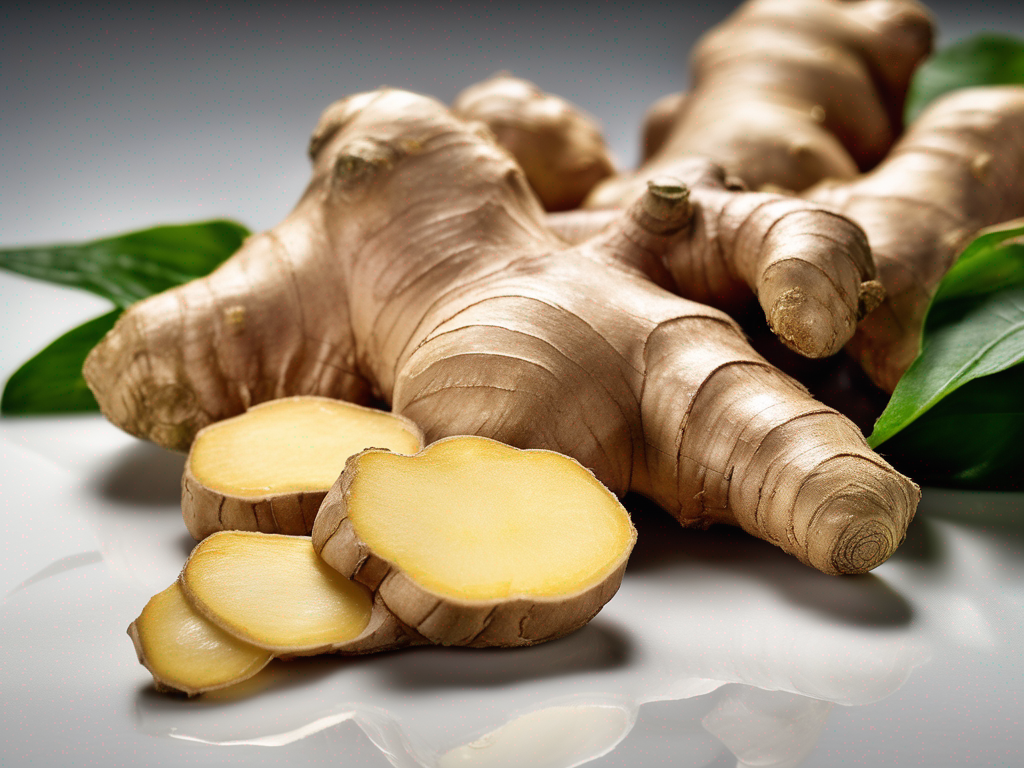
Ginger root is a versatile and flavorful ingredient used in various cuisines around the world. Its distinct taste and numerous nutritional quality make it a staple in many kitchens. However, improper storage can lead to mold growth, affecting both the taste and safety of the ginger root. In this comprehensive guide, we will explore effective ways to store ginger root to prevent mold and ensure its freshness for longer periods. (Ginger root)
Why Proper Storage is Crucial for Ginger Root
Ginger root contains high moisture content, making it susceptible to mold growth if not stored correctly. Mold not only affects the taste and texture of the ginger root but also poses health risks if consumed. Proper storage helps maintain the quality and flavor of ginger root while preserving its nutrients.
Factors That Contribute to Mold Growth in Ginger Root
- Moisture: Excess moisture can promote mold growth on ginger root.
- Temperature: Storage at improper temperatures can accelerate mold development.
- Air Exposure: Exposure to air can cause ginger root to dry out and become more susceptible to mold.
- Light: Direct sunlight can lead to mold growth on the surface of ginger root.
Effective Ways to Store Ginger Root
Proper storage techniques can help extend the shelf life of ginger root and prevent mold formation. Here are some practical tips to store ginger root effectively:
Proper airflow and humidity control can significantly extend produce freshness. Many households use produce storage containers (Amazon) in the refrigerator to regulate moisture and slow spoilage.
1. Choose Fresh and Quality Ginger Root
- Select ginger root that is firm, smooth, and free from wrinkles or mold.
- Avoid ginger root with soft spots or signs of decay.
2. Store Ginger Root in the Refrigerator
- Place unpeeled ginger root in a resealable plastic bag or airtight container.
- Store in the vegetable crisper drawer to maintain optimal humidity levels.
3. Freeze Ginger Root for Long-Term Storage
- Peel and chop ginger root into small pieces or grate it before freezing.
- Place the ginger in a freezer-safe bag or container, removing excess air before sealing.
4. Use Dry Storage for Preserving Whole Ginger Root
- Wrap whole ginger root in a paper towel to absorb excess moisture.
- Store in a cool, dark, and well-ventilated place away from direct sunlight.
5. Avoid Exposing Ginger Root to Moisture
- Do not wash ginger root before storage to prevent excess moisture.
- Pat dry with a paper towel if necessary before storing.
common situation: Keeping Your Ginger Root Fresh
Imagine this: It's the start of a new week, and you're excited to prepare a batch of your favorite stir-fry. You bought a beautiful piece of ginger root the week before, but when you check your fridge, you find that it has developed a fuzzy, green mold. Frustrating, right? By following the proper storage methods laid out in this guide, you can avoid this situation and keep your ginger fresh for when you need it.
situation 2: Common situations include mom trying to prepare healthy meals for her family. With a tight schedule, she often buys ginger root in bulk, only to find that her ginger goes bad before she can use it all. By freezing the extra ginger, she can easily add it to dishes without worrying about spoilage, making meal prep much more manageable.
situation 3: Perhaps you're an aspiring chef experimenting with new recipes. After an intense cooking session, you realize that your ginger is starting to sprout. Instead of tossing it out, know that sprouted ginger is still usable and can add a unique flavor to your dishes. Just trim away any sprouts and use the remaining root.
Keeping produce organized can improve air circulation and cooling. refrigerator organizer bins (Amazon) help reduce overcrowding and maintain consistent refrigerator temperatures.
Tips for Preventing Mold Growth on Ginger Root
Taking preventive measures can help inhibit mold growth and maintain the freshness of ginger root. Here are some additional tips to prevent mold formation:
- Check stored ginger root regularly for any signs of mold or spoilage.
- Discard any ginger root that shows mold growth or has an off smell.
- Use a clean knife or grater when cutting ginger to avoid introducing contaminants.
Common Mistakes in Storing Ginger Root
Many people don’t realize that their storage habits can lead to unwanted spoilage. Here are a few common pitfalls to avoid:
-
Storing in Wet Conditions: Some folks believe that keeping ginger root in a damp environment will keep it fresh. In reality, moisture is a mold accelerator. Always keep it dry and well-ventilated.
-
Not Checking for Freshness: Failing to inspect the ginger root before purchasing can lead to bringing home less-than-ideal roots. Always do a squeeze test—fresh ginger should feel firm.
-
Ignoring Storage Conditions: Many people store ginger in high-traffic areas of the kitchen where temperature fluctuations occur. Instead, designate a cool, dark spot to maintain stable conditions.
Scientific Context: The Biology of Mold Growth
Understanding the biology behind mold can help you appreciate the need for proper storage. Mold is a type of fungus that thrives in warm, moist environments. It reproduces via spores, which can settle on surfaces and germinate when conditions are right. Ginger root’s high moisture content makes it an ideal candidate for mold growth. By controlling moisture and temperature, you can significantly reduce the risk of mold formation on your ginger root.
Moreover, ginger contains beneficial compounds like gingerol, which not only contribute to its unique flavor but also provide anti-inflammatory properties. Protecting the integrity of ginger root through proper storage means you also preserve these nutritional quality.
Expert Insights: Recommendations from Food Safety Professionals
Food safety experts recommend a few additional techniques to prolong the life of ginger root while keeping it free from mold:
-
Use Vinegar as a Natural Preservative: A light wash of diluted vinegar (1 part vinegar to 3 parts water) can act as a natural antimicrobial and help inhibit mold growth. Just be sure to let the ginger dry completely before storing.
-
Common situations include Sealer: If you frequently buy ginger in bulk, a vacuum sealer can be a game-changer. By removing excess air, you can effectively extend the shelf life of your ginger root when freezing.
-
Regulate Humidity Levels: If you live in a highly humid climate, consider using desiccants (like silica gel packets) in your storage containers to absorb excess moisture.
Safety Warnings: Important Cautions and Considerations
Despite all the best practices, it’s essential to know when to throw ginger root away. Here are some safety considerations:
-
When in Doubt, Toss It Out: If your ginger root has an unusual odor, slimy texture, or extensive mold growth, discard it. Consuming spoiled ginger can lead to digestive issues.
-
Avoid Eating Sprouted Ginger: While sprouted ginger isn’t harmful in small amounts, the quality and flavor may be compromised. Always trim away the sprouts before using.
-
Watch for Cross-Contamination: If you’re using ginger with other ingredients, ensure your utensils and cutting boards are clean to prevent the transfer of bacteria.
Conclusion
Proper storage is essential for preserving the quality and flavor of ginger root while preventing mold growth. By following the tips outlined in this guide, you can ensure that your ginger root stays fresh and mold-free for longer periods. Remember to choose fresh ginger root, store it in the refrigerator or freezer, and keep it away from moisture and direct sunlight. With these simple practices, you can enjoy the culinary delights of ginger root without the worry of mold contamination.
For more information on ginger root and its culinary uses, visit our ginger root page.
Remember, a little care in storage goes a long way in enhancing the taste and safety of your favorite dishes! (Ginger root)
Related Posts
Here are some other articles you might find helpful:
Authoritative Food Safety References
These agencies and university labs inform every tip and health precaution we publish.
USDA FoodKeeper – Cold Storage Guidelines
Official refrigerator, freezer, and pantry timelines maintained by the U.S. Department of Agriculture.
Visit USDA FoodKeeperFDA Produce Safety Rule & Grower Guidance
Field-to-fridge handling practices that prevent contamination of fruits, vegetables, and leafy greens.
Visit FDA Produce SafetyCDC Foodborne Illness Prevention Hub
Surveillance-backed guidance on pathogens, symptoms, and steps to reduce foodborne illness risk.
Visit CDC Food SafetyUC Davis Postharvest Technology Center
University research detailing optimal storage atmospheres for produce after harvest.
Visit UC Davis PostharvestPenn State Extension – Home Food Preservation & Safety
Peer-reviewed extension bulletins on safe canning, chilling, and reheating practices.
Visit Penn State ExtensionDisclosure: As an Amazon Associate, we earn from qualifying purchases. This helps support our site and allows us to continue providing free food safety information.