Preserving Ginger Root: Tips to Extend Shelf Life
Preserving Ginger Root: Tips to Extend Shelf Life
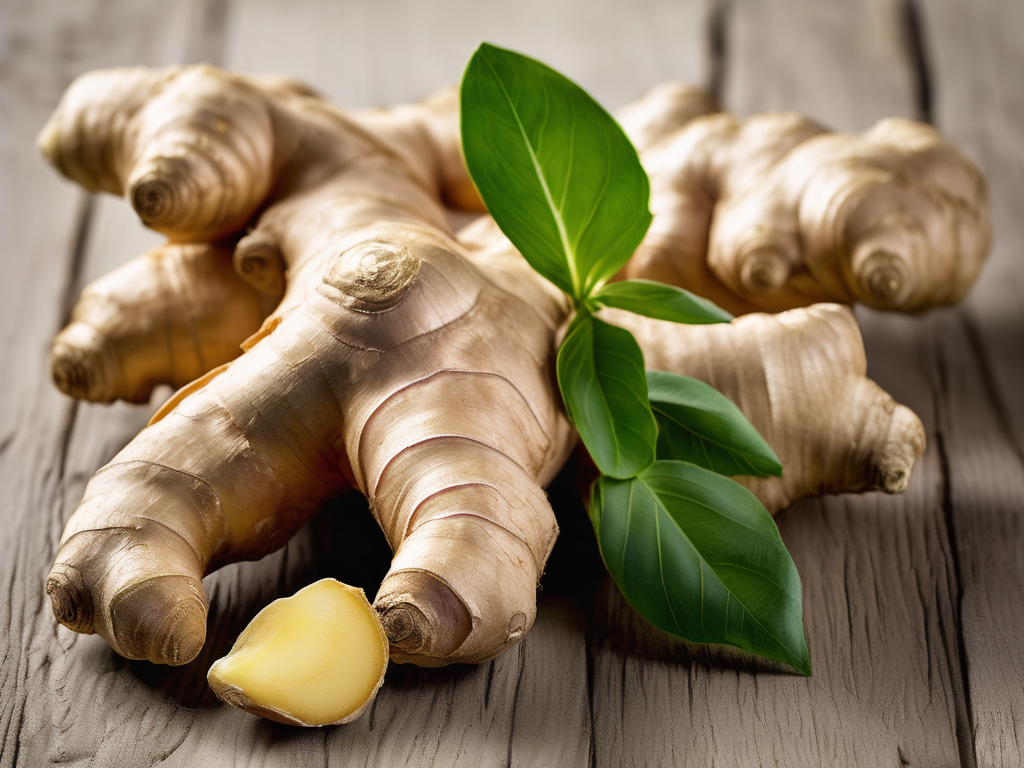
Ginger root is a versatile and flavorful ingredient used in various cuisines worldwide. Whether you use it in teas, stir-fries, curries, or baked goods, preserving ginger root properly is essential to extend its shelf life and maintain its freshness. In this blog post, we will explore some practical tips to help you preserve ginger root effectively. (Ginger root)
Understanding the Shelf Life of Ginger Root
Ginger root is a rhizome that belongs to the Zingiberaceae family. When stored properly, fresh ginger root can last for several weeks. However, improper storage can lead to mold growth, loss of flavor, and texture changes. To maximize the shelf life of ginger root, it is crucial to understand the factors that impact its freshness:
Factors Affecting Ginger Root Shelf Life:
- Moisture: Excess moisture can cause ginger root to spoil quickly.
- Light: Exposure to light can accelerate the degradation of ginger root.
- Temperature: Ginger root thrives in cool, dry conditions. Avoid storing it in warm or humid environments.
- Air Exposure: Proper ventilation is necessary to prevent mold growth.
- Damage: Bruising or cuts on the ginger root can lead to spoilage.
Tips for Preserving Ginger Root
Preserving ginger root does not have to be a daunting task. By following these simple tips, you can extend the shelf life of ginger root and ensure that it stays fresh for longer:
1. Choose the Right Ginger Root:
- Select ginger root that is firm, plump, and free of wrinkles.
- Avoid ginger root with mold, soft spots, or signs of decay.
2. Storage:
- Room Temperature: Store unpeeled ginger root at room temperature in a cool, dark place.
- Refrigeration: For longer storage, you can refrigerate ginger root in a resealable plastic bag or airtight container.
3. Freezing Ginger Root:
- Peel and Chop: Peel the ginger root and chop it into small pieces or slices.
- Freeze: Place the chopped ginger in a freezer-safe bag or container and store it in the freezer.
- Thawing: When needed, thaw the frozen ginger root in the refrigerator or at room temperature.
4. Preserving in Vinegar or Alcohol:
- Vinegar: Submerge peeled ginger root in vinegar and store it in the refrigerator. This method can help preserve the ginger root for an extended period.
- Alcohol: Soaking peeled ginger root in alcohol like vodka or sherry can also help preserve it.
5. Drying Ginger Root:
- Dehydrator: Slice ginger root thinly and dry it in a food dehydrator.
- Oven-Drying: Alternatively, you can oven-dry ginger slices at a low temperature until they are completely dry.
- Storage: Store dried ginger root in an airtight container in a cool, dark place.
Safety Precautions:
While preserving ginger root, it is essential to follow safety precautions to prevent contamination and spoilage:
- Wash your hands thoroughly before handling ginger root.
- Use clean utensils and containers for storage.
- Check for signs of mold or spoilage before consuming preserved ginger root.
- If you notice any off smells or discoloration, discard the ginger root immediately.
Conclusion
Preserving ginger root is a simple yet essential practice to ensure that you always have this flavorful ingredient on hand for your culinary creations. By following the tips mentioned in this blog post, you can extend the shelf life of ginger root and enjoy its unique taste and nutritional quality for longer periods. Remember to store ginger root in optimal conditions, choose the right preservation method based on your needs, and prioritize food safety at all times. With these strategies in place, you can make the most of this versatile ingredient and enhance the flavors of your dishes.
[Learn more about ginger root](/food/ginger root) and experiment with different preservation methods to find the one that works best for you. Happy cooking! (Ginger root)
Authoritative Food Safety References
These agencies and university labs inform every tip and health precaution we publish.
USDA FoodKeeper – Cold Storage Guidelines
Official refrigerator, freezer, and pantry timelines maintained by the U.S. Department of Agriculture.
Visit USDA FoodKeeperFDA Produce Safety Rule & Grower Guidance
Field-to-fridge handling practices that prevent contamination of fruits, vegetables, and leafy greens.
Visit FDA Produce SafetyCDC Foodborne Illness Prevention Hub
Surveillance-backed guidance on pathogens, symptoms, and steps to reduce foodborne illness risk.
Visit CDC Food SafetyUC Davis Postharvest Technology Center
University research detailing optimal storage atmospheres for produce after harvest.
Visit UC Davis PostharvestPenn State Extension – Home Food Preservation & Safety
Peer-reviewed extension bulletins on safe canning, chilling, and reheating practices.
Visit Penn State Extension