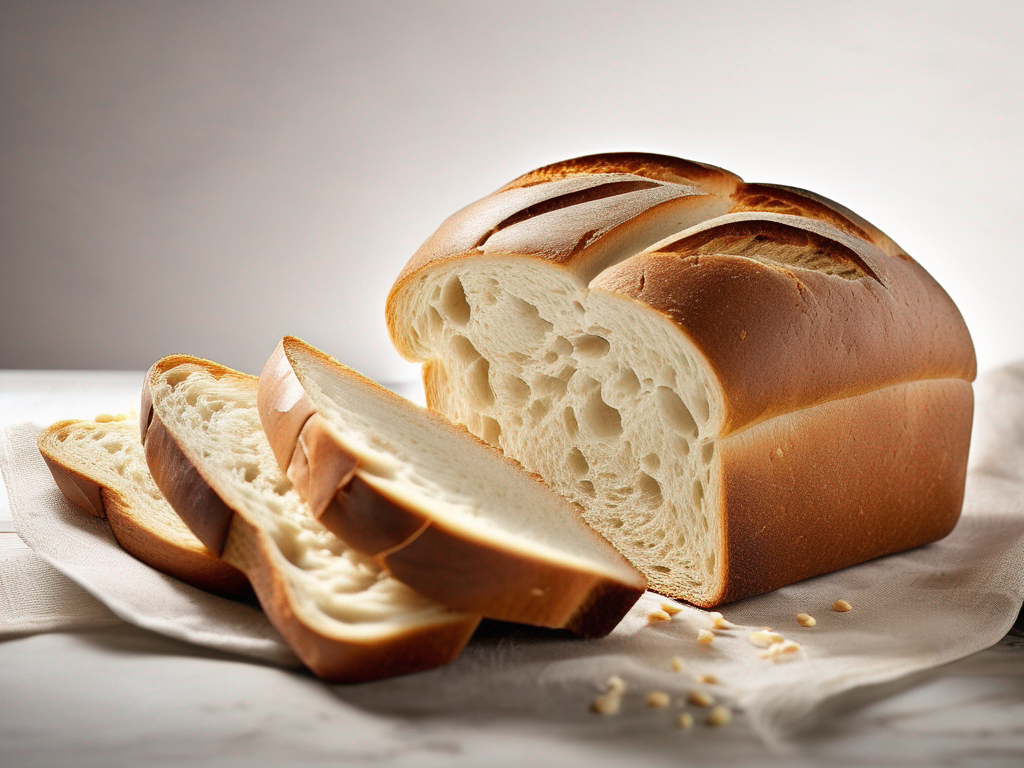
How to Store Leftover Bread White Sliced Opened for Freshness
How to Store Leftover Bread White Sliced Opened for Freshness
When it comes to storing leftover bread, proper storage is key to maintaining its freshness and flavor. Whether you have a half loaf or just a few slices left, knowing how to store your bread correctly can help extend its shelf life and prevent it from going stale too quickly. In this guide, we will explore the best practices for storing leftover white sliced bread that has been opened. (Bread white sliced opened)
Understanding the Importance of Proper Storage
Proper storage of leftover bread is crucial for maintaining its quality and safety. When bread is exposed to air, moisture loss occurs, leading to staleness. Additionally, improper storage can also promote the growth of mold and bacteria, posing a health risk. By following the right storage techniques, you can keep your bread fresh and safe to eat for a longer period.
Tips for Storing Leftover White Sliced Bread
1. Store in a Bread Box or Bread Bag
- Bread Box: Invest in a bread box with ventilation holes to allow air circulation while protecting the bread from light and moisture.
- Bread Bag: If you don't have a bread box, store the bread in a paper or cloth bread bag to maintain its texture.
2. Avoid Storing in the Fridge
Contrary to popular belief, storing bread in the refrigerator can actually accelerate staling. The cold temperature causes the starch in the bread to recrystallize, resulting in a dry and tough texture. It's best to keep your bread at room temperature.
Dry foods stay fresher when protected from moisture, pests, and air exposure. Using airtight pantry containers (Amazon) helps maintain quality and extend shelf life for pantry staples.
3. Wrap in a Clean Kitchen Towel
To prevent moisture loss and keep the bread soft, wrap the sliced bread in a clean kitchen towel before storing it in a bread box or bag.
4. Use a Bread Bin with a Lid
If you prefer a container for storing bread, opt for a bread bin with a lid. Make sure the bin is well-ventilated to prevent moisture buildup.
5. Freeze for Long-Term Storage
If you have a large amount of leftover bread that you won't consume quickly, consider freezing it. Wrap the bread tightly in plastic wrap or aluminum foil, then place it in a freezer-safe bag. Frozen bread can be thawed at room temperature when needed.
Safety Tips for Storing Bread
1. Check for Mold Regularly
Inspect the bread for any signs of mold growth before consuming it. If you notice mold, discard the bread immediately to avoid potential health risks.
2. Store Away from Heat Sources
Avoid placing the bread near heat sources such as ovens or stoves, as heat can accelerate staling and promote mold growth.
3. Keep Away from Direct Sunlight
Exposure to direct sunlight can cause the bread to become stale faster. Store your bread in a cool, dark place to maintain its freshness.
4. Use Airtight Containers for Freezing
When freezing bread, ensure it is wrapped tightly and stored in an airtight container to prevent freezer burn and maintain its quality.
Conclusion
Proper storage is essential for keeping leftover white sliced bread fresh and delicious for as long as possible. By following the tips outlined in this guide, you can extend the shelf life of your bread and reduce food waste. Remember to check your bread regularly for freshness and mold growth to ensure you always enjoy a safe and tasty slice. [Learn more about white sliced bread here](/food/bread white sliced opened).
Next time you have leftover bread, use these storage techniques to preserve its quality and savor every bite! (Bread white sliced opened)
Related Posts
Here are some other articles you might find helpful:
Authoritative Food Safety References
These agencies and university labs inform every tip and health precaution we publish.
USDA FoodKeeper – Cold Storage Guidelines
Official refrigerator, freezer, and pantry timelines maintained by the U.S. Department of Agriculture.
Visit USDA FoodKeeperFDA Produce Safety Rule & Grower Guidance
Field-to-fridge handling practices that prevent contamination of fruits, vegetables, and leafy greens.
Visit FDA Produce SafetyCDC Foodborne Illness Prevention Hub
Surveillance-backed guidance on pathogens, symptoms, and steps to reduce foodborne illness risk.
Visit CDC Food SafetyUC Davis Postharvest Technology Center
University research detailing optimal storage atmospheres for produce after harvest.
Visit UC Davis PostharvestPenn State Extension – Home Food Preservation & Safety
Peer-reviewed extension bulletins on safe canning, chilling, and reheating practices.
Visit Penn State ExtensionDisclosure: As an Amazon Associate, we earn from qualifying purchases. This helps support our site and allows us to continue providing free food safety information.