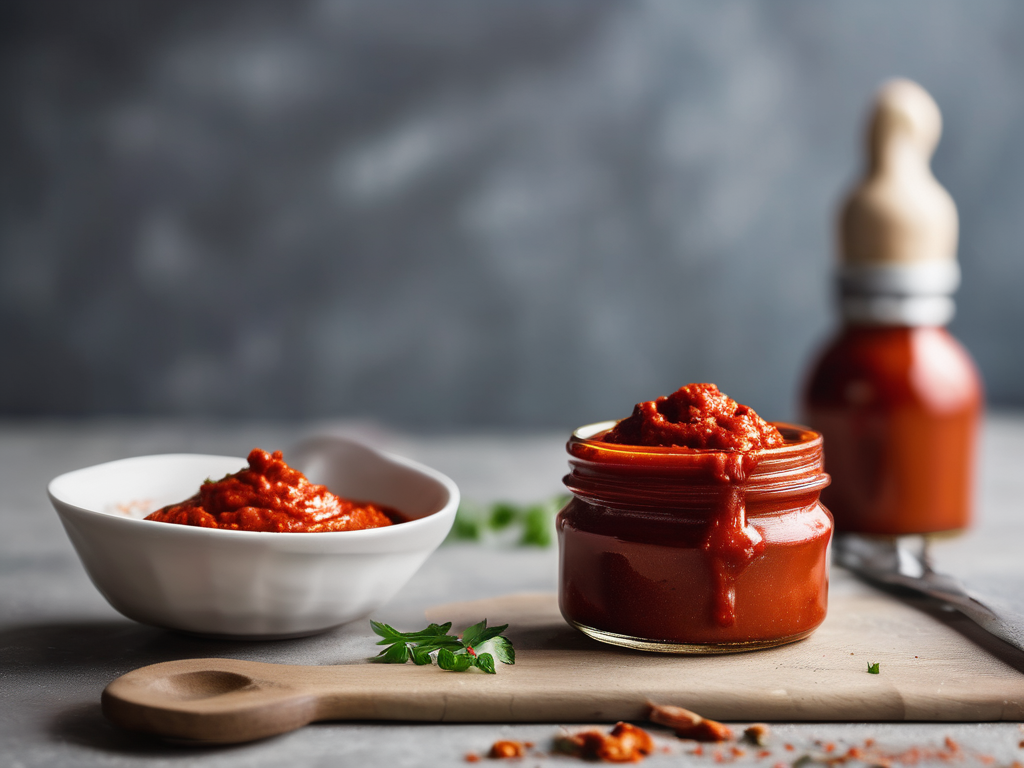
The Ultimate Guide to Storing Homemade Harissa Paste
CanIEatExpired.com Team
# The Ultimate Guide to Storing Homemade Harissa Paste

If you've ever made your own [harissa paste](/food/harissa paste), you know the satisfaction of creating a flavorful and versatile condiment that can elevate any dish. However, to preserve the freshness and flavors of your homemade harissa paste, proper storage is key. In this comprehensive guide, we'll explore the best practices for storing homemade harissa paste to ensure maximum freshness and longevity. ([Harissa paste](https://canieatexpired.com/food/harissa-paste))

## Understanding Harissa Paste

Before delving into storage tips, let's first understand what harissa paste is. Harissa is a spicy and aromatic chili paste that originates from North Africa, particularly Tunisia. It is made from a blend of roasted red peppers, hot chili peppers, garlic, olive oil, and an array of flavorful spices such as cumin, coriander, and caraway. Harissa paste is known for its vibrant red color, bold flavor, and versatile uses in various dishes, including stews, marinades, dips, and dressings.

## Why Proper Storage Matters

Properly storing homemade harissa paste is crucial for maintaining its freshness, flavor, and food safety. Here are some reasons why proper storage matters:

### Preserving Flavor and Aroma

- Exposure to air, light, and heat can degrade the flavors and aromas of the ingredients in harissa paste.
- Storing harissa properly helps preserve its spicy kick, vibrant color, and complex flavor profile.

### Preventing Spoilage

- Harissa paste contains perishable ingredients like garlic and olive oil, which can spoil if not stored correctly.
- Inadequate storage can lead to mold growth, off flavors, and potential foodborne illnesses.

## Tips for Storing Homemade Harissa Paste

Now that we understand the importance of proper storage, let's explore some practical tips for storing homemade harissa paste to ensure maximum freshness and longevity:

### 1. Choose the Right Container

- Use a clean, airtight glass jar or container to store harissa paste.
- Glass containers are non-reactive and help preserve the flavors of the ingredients.
- Ensure the container has a tight-fitting lid to prevent air exposure.

### 2. Store in a Cool, Dark Place

- Keep the harissa paste away from direct sunlight and heat sources.
- Store the container in a cool, dark pantry or cupboard to maintain optimal flavor.

### 3. Use a Protective Layer of Oil

- To prevent air exposure, top the harissa paste with a thin layer of olive oil before sealing the container.
- The oil acts as a barrier and helps preserve the paste's freshness.

### 4. Refrigerate for Extended Shelf Life

- While harissa paste can be stored at room temperature for a few weeks, refrigeration extends its shelf life.
- Refrigerate the harissa paste for up to 2-3 months for maximum freshness.

### 5. Check for Signs of Spoilage

- Before using the harissa paste, inspect it for any signs of mold, off odors, or discoloration.
- If the paste appears moldy, slimy, or has an unusual smell, discard it immediately.

## common situation

**situation 1: The Unexpected Dinner Party**
Imagine it’s Friday evening, and you’ve been invited to a last-minute dinner party. You remember you have a jar of homemade harissa paste in the refrigerator. As you whip up a delicious chicken marinade, you realize the vibrant flavors from your harissa can elevate your dish to impress your friends. You pull it out, and it’s still fresh! Proper storage has saved the day, allowing you to bring a touch of North African flavor to the gathering.

**situation 2: A Culinary Experiment**
Let's say you’re a passionate home chef who loves trying new recipes. One day, you decide to make your own harissa. After successfully blending the perfect combination of spices, you store it away. A few weeks later, you’re ready to test it in a Moroccan stew. You open the jar, and instead of the aromatic scent you remember, there’s an off smell. You realize it wasn’t stored correctly. This experience highlights the importance of using airtight containers and refrigerating for longevity.

**situation 3: Spice Up Your Meal Prep**
Picture this: you're meal prepping for the week ahead. You’ve cooked a batch of flavorful quinoa and grilled vegetables, and you want to add a kick. You remember the harissa paste sitting in your fridge. When you mix it in, the dish transforms into a vibrant, spicy delight. Luckily, the harissa is still fresh and bursting with flavor because you took the right steps to store it properly. This situation proves how having a well-stored condiment can save your meal prep sessions from being bland.

## Common Mistakes to Avoid

Many people make simple mistakes when storing homemade harissa paste that can shorten its shelf life or ruin its flavors:

### Overfilling the Container
- Filling the container to the brim can lead to air exposure when sealing. Always leave a little space at the top for the oil layer.

### Not Using a Layer of Oil
- Skipping the protective layer of oil can expose the paste to air and moisture, leading to spoilage. Always remember this step!

### Storing Near Heat Sources
- Placing your harissa paste near stoves or ovens can lead to rapid degradation. Always choose a cool, dark place.

### Using Contaminated Utensils
- Many people don't realize that using a spoon or utensil that has been in contact with other foods can introduce bacteria. Always use clean utensils when scooping out harissa.

### Ignoring Expiration Dates
- Even homemade items have a timeframe. Harissa may look appealing after several months, but don't ignore the signs of age. If in doubt, throw it out!

## Expert Insights on Storage Techniques

According to food safety experts, the temperature at which you store your harissa can significantly impact its longevity. The ideal storage temperature is between 32°F and 40°F for refrigerated harissa. If you're making large batches, consider freezing portions in ice cube trays. Once frozen, transfer them to a zip-top bag for longer-lasting storage. This way, you can easily pop out a cube whenever you’re ready to cook without needing to defrost the entire batch.

### Nutritional Information

While harissa is known for its bold flavor, it also offers nutritional benefits. The peppers used in harissa are rich in vitamins A and C, promoting good vision and a robust immune system. Garlic, too, is a wonder ingredient packed with antioxidants and has antimicrobial properties. When you store harissa properly, you’re not just preserving flavor, but also the nutritional quality it brings to your meals.

### The Science Behind Preservation

Understanding the science behind food preservation can help you appreciate the importance of storage techniques. The primary reason food spoils is the growth of microorganisms such as bacteria, yeast, and mold. Harissa's ingredients, especially garlic and oils, can create an environment conducive to bacterial growth if not stored correctly. The acidity and oil content in harissa can inhibit some bacterial growth, but proper refrigeration is crucial to maximizing its shelf life. The lower temperatures slow down the metabolic processes of these organisms, prolonging freshness.

## Safety Precautions

When storing homemade harissa paste, it's essential to follow these safety precautions to prevent foodborne illnesses and ensure food safety:

### 1. Practice Good Hygiene

- Wash your hands thoroughly before handling the harissa paste or its storage container.
- Ensure all utensils and surfaces are clean and sanitized to prevent contamination.

### 2. Use Fresh Ingredients

- Always use fresh and high-quality ingredients when making harissa paste.
- Check the expiration dates of spices and other ingredients to ensure freshness.

### 3. Avoid Cross-Contamination

- Use separate utensils for scooping out harissa paste to prevent cross-contamination.
- Do not double-dip utensils back into the container after use.

### 4. Label Your Container

- For easy identification, especially if you have multiple homemade sauces or pastes in your fridge, label your container with the date you made the harissa.
- This will help you keep track of its freshness and avoid using it past its prime.

## Conclusion

Storing homemade harissa paste properly is essential for preserving its flavors, freshness, and ensuring food safety. By following the tips and safety precautions outlined in this guide, you can enjoy the vibrant flavors of your homemade harissa paste for an extended period. Remember to choose the right container, store in a cool place, use a protective layer of oil, refrigerate when necessary, and always prioritize hygiene and ingredient quality. With these practices in place, your homemade harissa paste will continue to enhance your culinary creations with its spicy and aromatic goodness. ([Harissa paste](https://canieatexpired.com/food/harissa-paste))

## Related Posts

Here are some other articles you might find helpful:

- [Reviving Wilted Caraway: Sustainable Solutions to Reduce Food Waste](/blog/solutions-for-reusing-wilted-caraway-to-reduce-food-waste)
- [The Ultimate Guide to Properly Storing Caraway to Prevent Mold Growth](/blog/how-to-properly-store-caraway-to-prevent-mold-growth)
- [Preserving Fresh Caraway: Tips for Longer Shelf Life](/blog/tips-for-preserving-fresh-caraway-for-longer-shelf-life)
- [Is it Safe to Use Expired BBQ Sauce for Cooking?](/blog/is-it-safe-to-use-expired-bbq-sauce-for-cooking)
- [The Ultimate Guide to Properly Storing BBQ Sauce](/blog/how-to-properly-store-bbq-sauce-to-prevent-it-from-spoiling)
Authoritative Food Safety References
These agencies and university labs inform every tip and health precaution we publish.
USDAOfficial guidance
USDA FoodKeeper – Cold Storage Guidelines
Official refrigerator, freezer, and pantry timelines maintained by the U.S. Department of Agriculture.
Visit USDA FoodKeeperFDAOfficial guidance
FDA Produce Safety Rule & Grower Guidance
Field-to-fridge handling practices that prevent contamination of fruits, vegetables, and leafy greens.
Visit FDA Produce SafetyCDCOfficial guidance
CDC Foodborne Illness Prevention Hub
Surveillance-backed guidance on pathogens, symptoms, and steps to reduce foodborne illness risk.
Visit CDC Food SafetyResearchUniversity research
UC Davis Postharvest Technology Center
University research detailing optimal storage atmospheres for produce after harvest.
Visit UC Davis PostharvestResearchUniversity research
Penn State Extension – Home Food Preservation & Safety
Peer-reviewed extension bulletins on safe canning, chilling, and reheating practices.
Visit Penn State ExtensionDisclosure: As an Amazon Associate, we earn from qualifying purchases. This helps support our site and allows us to continue providing free food safety information.
Our articles are created using a combination of AI assistance and human review. All food safety information is based on USDA guidelines and credible sources. Learn more about our review process here.