Preserving Fresh Caraway: Tips for Longer Shelf Life
Preserving Fresh Caraway: Tips for Longer Shelf Life
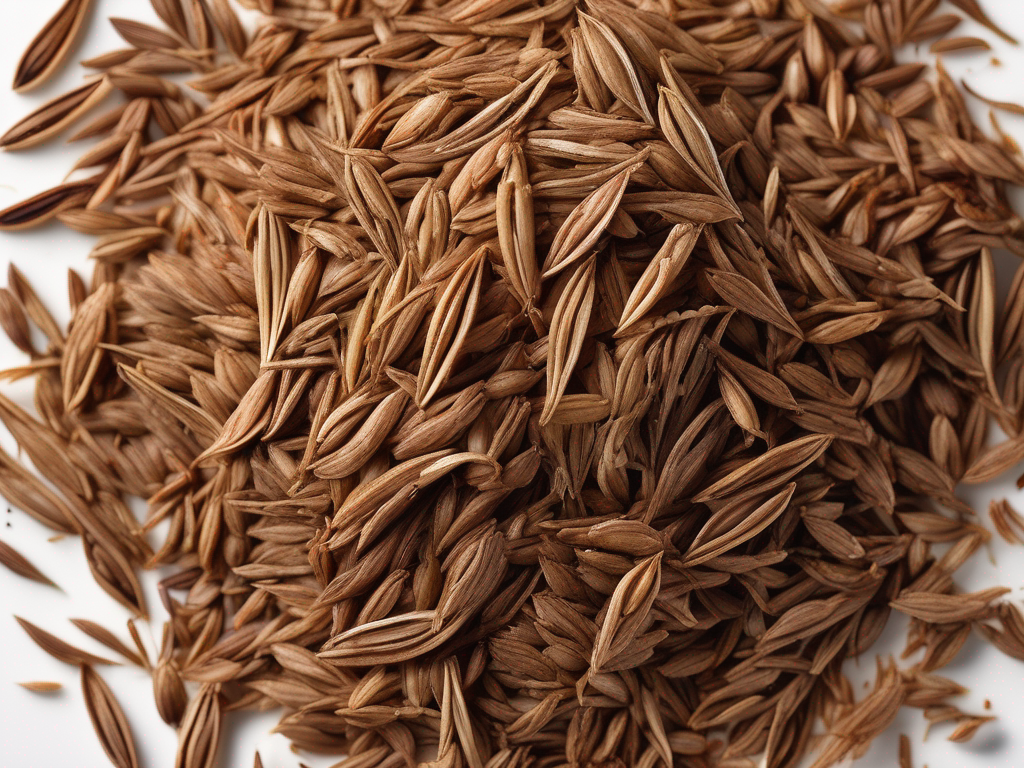
Caraway is a versatile herb with a unique flavor profile that adds depth to a variety of dishes. Whether you're using it in soups, stews, bread, or pickles, fresh caraway can elevate your culinary creations. However, like many fresh herbs, caraway can quickly lose its flavor and freshness if not stored properly. In this blog post, we will explore some tips and tricks for preserving fresh caraway to extend its shelf life and ensure that you can enjoy its delightful taste for longer periods. (Caraway)
Understanding Caraway
Before diving into preservation techniques, let's take a moment to understand caraway and its characteristics. Caraway, scientifically known as Carum carvi, is a biennial plant that belongs to the parsley family. It is native to Western Asia, Europe, and North Africa. The plant produces small, crescent-shaped seeds that are commonly used as a spice in various cuisines.
Key Characteristics of Caraway:
- Distinct earthy and slightly sweet flavor
- Rich in essential oils, including carvone and limonene
- Used in both savory and sweet dishes
- Known for its digestive properties
Now, let's move on to the main topic of discussion: preserving fresh caraway.
Dry foods stay fresher when protected from moisture, pests, and air exposure. Using airtight pantry containers (Amazon) helps maintain quality and extend shelf life for pantry staples.
Tips for Preserving Fresh Caraway
1. Harvesting Fresh Caraway:
- Harvest caraway seeds when they are fully mature and have turned brown.
- Cut the seed heads and hang them upside down in a warm, dry place to dry out completely.
2. Storing Fresh Caraway Seeds:
- Store whole caraway seeds in an airtight container in a cool, dark place.
- Avoid storing caraway seeds near heat sources or in direct sunlight, as this can degrade their flavor.
3. Freezing Fresh Caraway Leaves:
- Wash and dry the caraway leaves thoroughly before freezing.
- Place the leaves in a zip-top bag, remove excess air, and seal tightly before placing them in the freezer.
4. Drying Fresh Caraway Leaves:
- Dry caraway leaves by spreading them out on a clean, dry surface in a well-ventilated area.
- Once fully dried, store the leaves in an airtight container away from moisture and heat.
5. Using Preserved Caraway:
- When using frozen caraway leaves, chop them directly from frozen to preserve their flavor.
- Crush dried caraway leaves just before using them to release their essential oils and maximize their aroma.
Safety Tips for Preserving Caraway
Preserving fresh caraway involves proper handling and storage techniques to prevent contamination and spoilage. Here are some safety tips to keep in mind:
- Wash your hands thoroughly before handling fresh caraway to prevent cross-contamination.
- Use clean, sanitized containers for storing caraway seeds and leaves.
- Check stored caraway regularly for any signs of mold, moisture, or pest infestation.
- Discard any caraway that shows signs of spoilage or deterioration.
By following these tips and safety guidelines, you can ensure that your fresh caraway remains flavorful and safe for consumption.
Conclusion
Preserving fresh caraway is a simple yet essential practice for any home cook or culinary enthusiast. By harvesting, storing, and using caraway properly, you can prolong its shelf life and enjoy its distinctive flavor in your dishes for longer periods. Remember to follow the tips outlined in this blog post to make the most of your fresh caraway and elevate your culinary creations with this aromatic herb. Caraway is a versatile herb that deserves a place in every kitchen, so make the most of it by preserving it effectively. (Caraway)
Excess humidity can cause dry foods to clump or spoil. Adding food-safe desiccant packs (Amazon) to storage containers helps control moisture levels and extend shelf life.
Related Posts
Here are some other articles you might find helpful:
- Reviving Wilted Caraway: Sustainable Solutions to Reduce Food Waste
- The Ultimate Guide to Properly Storing Caraway to Prevent Mold Growth
- Creative Ways to Use Expired Harissa Paste: Turning Food Waste into Delicious Creations
- Preserving Fresh Caraway for Extended Use
- How to Tell if Caraway has Gone Bad and Should be Thrown Out
Authoritative Food Safety References
These agencies and university labs inform every tip and health precaution we publish.
USDA FoodKeeper – Cold Storage Guidelines
Official refrigerator, freezer, and pantry timelines maintained by the U.S. Department of Agriculture.
Visit USDA FoodKeeperFDA Produce Safety Rule & Grower Guidance
Field-to-fridge handling practices that prevent contamination of fruits, vegetables, and leafy greens.
Visit FDA Produce SafetyCDC Foodborne Illness Prevention Hub
Surveillance-backed guidance on pathogens, symptoms, and steps to reduce foodborne illness risk.
Visit CDC Food SafetyUC Davis Postharvest Technology Center
University research detailing optimal storage atmospheres for produce after harvest.
Visit UC Davis PostharvestPenn State Extension – Home Food Preservation & Safety
Peer-reviewed extension bulletins on safe canning, chilling, and reheating practices.
Visit Penn State ExtensionDisclosure: As an Amazon Associate, we earn from qualifying purchases. This helps support our site and allows us to continue providing free food safety information.