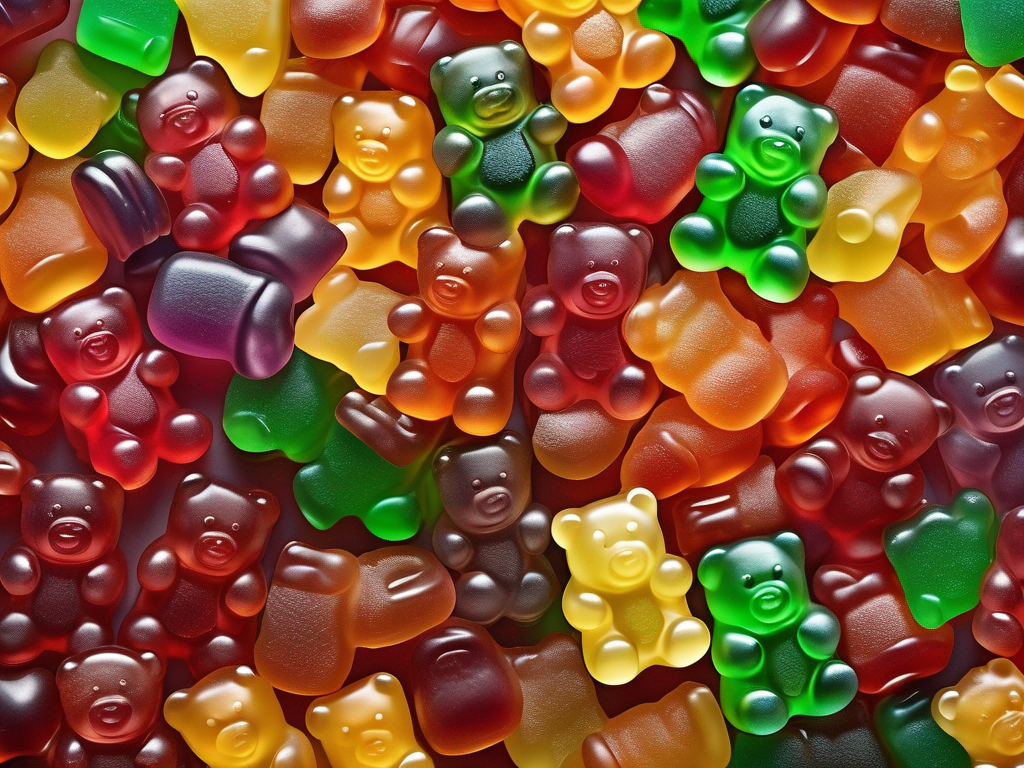
The Ultimate Guide to Storing Gummy Bears: Prevent Stickiness and Melting
CanIEatExpired.com Team
# The Ultimate Guide to Storing Gummy Bears: Prevent Stickiness and Melting

Gummy bears are a beloved treat for both kids and adults alike. Their chewy texture and sweet flavor make them a popular choice for snacking. However, gummy bears are prone to melting and becoming sticky if not stored properly. In this comprehensive guide, we will explore the best practices for storing gummy bears to prevent stickiness and melting, ensuring that your favorite treats stay fresh and delicious for longer. ([Gummy bears](https://canieatexpired.com/food/gummy-bears))

## Why Proper Storage Matters for Gummy Bears

Gummy bears are sensitive to heat and humidity, which can cause them to lose their shape, stick together, or melt. Proper storage is essential to maintain the quality and texture of gummy bears. Here's why you should pay attention to how you store your gummy bears:

### Reasons for Proper Storage:
1. **Prevent Stickiness:** Improper storage can cause gummy bears to become sticky and clump together.
2. **Maintain Freshness:** Storing gummy bears correctly helps preserve their flavor and texture.
3. **Avoid Melting:** Heat can cause gummy bears to melt, ruining their shape and consistency.
4. **Prevent Contamination:** Proper storage prevents exposure to moisture and contaminants that can affect the quality of gummy bears.

## Best Practices for Storing Gummy Bears

To keep your gummy bears fresh and delicious, follow these best practices for storage:

### 1. Choose the Right Container
- Use an airtight container to protect gummy bears from moisture and air.
- Opt for a container with a tight-fitting lid to prevent exposure to humidity.

### 2. Store in a Cool, Dry Place
- Keep gummy bears away from direct sunlight and heat sources.
- Store them in a cool, dry place like a pantry or cupboard.

### 3. Avoid Temperature Fluctuations
- Keep gummy bears away from temperature fluctuations, as they can cause condensation and affect the texture of the candy.
- Do not store gummy bears near appliances that generate heat, such as ovens or stoves.

### 4. Use Desiccants or Silica Gel Packs
- Place desiccants or silica gel packs in the container with gummy bears to absorb excess moisture and prevent stickiness.
- Ensure the desiccants are food-safe and non-unpleasant flavors, odors, or reduced nutritional quality.

### 5. Refrigerate or Freeze for Long-Term Storage
- For extended storage, consider refrigerating or freezing gummy bears.
- Place the gummy bears in a freezer-safe container and thaw them at room temperature before consuming.

## Tips for Preventing Stickiness and Melting

To further prevent stickiness and melting of gummy bears, consider the following tips:

### Preventive Measures:
- **Do not expose gummy bears to direct sunlight or heat**: UV rays and heat can cause gummy bears to melt and lose their shape.
- **Avoid storing gummy bears in humid environments**: Moisture can make gummy bears sticky and unappetizing.
- **Keep gummy bears away from strong odors**: Gummy bears can absorb odors from nearby foods, affecting their taste.

### Emergency Solutions:
- **If gummy bears become sticky**: Dust them with cornstarch or powdered sugar to absorb excess moisture.
- **To fix melted gummy bears**: Place them in the refrigerator to harden, then reshape them before serving.

## common situation

Imagine this: It’s a hot summer day, and you’re planning a picnic with friends. You’ve packed a delightful assortment of snacks, including a bag of gummy bears. However, as the day goes on, the temperature rises, and the gummy bears begin to melt. When you finally reach for them, you find a big, sticky lump instead of those delightful chewy treats. To avoid such situation, always consider the environment when storing or packing gummy bears for outings.

Another relatable situation might be during a holiday gathering. You’ve bought a large bag of gummy bears to share with family, but in the excitement of the festivities, they’re left out on the table all day. By the time dessert rolls around, they are a sticky mess. To prevent this, make sure to keep your gummy bears in a cool area and serve them in smaller portions to maintain their texture.

## Scientific Context of Gummy Bear Composition

Did you know that gummy bears are primarily made of sugar, corn syrup, and gelatin? The sugar content gives them the sweet flavor we love, while gelatin provides that delightful chewy texture. However, gelatin is sensitive to temperature; it can break down when exposed to heat, leading to melting. The best way to maintain their structural integrity is to keep them in a stable, cool environment.

In addition to that, the pH of gummy bears can also affect their texture. They are typically acidic, which helps in preserving them. However, when they come in contact with moisture, this can lead to a breakdown of their chewy form, making them sticky. Understanding these elements can help you make better choices in storage techniques.

## Practical Tips for Optimal Storage

- **Use the Right Type of Bag:** If you're using a bag to store your gummy bears, choose a resealable plastic bag that is designed to be airtight. This not only keeps them fresh but also prevents them from being crushed.

- **Divide and Conquer:** If you buy gummy bears in bulk, consider portioning them into smaller bags or containers. This way, you only open a small amount at a time, keeping the rest safe from exposure to air and humidity.

- **Label Containers:** If you have multiple types of gummy candies, labeling your containers can help you avoid mixing different flavors, which can affect taste and texture.

## Common Mistakes in Storing Gummy Bears

Many people don’t realize that placing gummy bears in the refrigerator is not always the best option. While it can help preserve them for a bit longer, the cold environment can also cause condensation once you take them out. This moisture can lead to stickiness. Instead, if you choose to refrigerate, make sure to seal them in an airtight container to minimize moisture exposure.

Another common error is assuming that gummy bears have a long shelf life without proper care. In reality, even sealed gummy bears can become stale or change in texture over time if stored improperly. Always check the expiration dates and be mindful of storage conditions to enjoy them at their best.

## Expert Insights

As a food safety expert, I recommend performing a quick smell test before indulging in any gummy candies that have been stored for a while. If they smell off or have changed in texture, it’s best to avoid consuming them. Always trust your senses; they are your best allies in food safety.

Additionally, it’s worth noting that while gummy bears can last quite a while, their quality diminishes over time. For the best experience, aim to consume them within six months of purchase. Keeping them in an airtight container away from sunlight can help extend their shelf life.

## Conclusion

Proper storage is crucial for maintaining the quality and freshness of gummy bears. By following the tips outlined in this guide, you can prevent stickiness and melting, ensuring that your gummy bears remain a delightful treat for you and your loved ones. Remember to store gummy bears in a cool, dry place, use airtight containers, and avoid exposure to heat and humidity. With these simple practices, you can enjoy your favorite gummy bears for longer periods without worrying about them losing their appeal.

For more information on gummy bears and other food storage tips, visit our [gummy bears page](/food/gummy bears). Happy snacking! ([Gummy bears](https://canieatexpired.com/food/gummy-bears))

## Related Posts

Here are some other articles you might find helpful:

- [Preserving the Freshness of Gummi Candy: Tips and Tricks](/blog/how-can-you-preserve-the-freshness-of-gummi-candy)
- [What Happens if I Consume Expired Gummy Bears?](/blog/what-happens-if-i-consume-expired-gummy-bears)
- [Extending the Shelf Life of Gummy Bears: Tips and Tricks](/blog/how-can-i-extend-the-shelf-life-of-gummy-bears)
Authoritative Food Safety References
These agencies and university labs inform every tip and health precaution we publish.
USDAOfficial guidance
USDA FoodKeeper – Cold Storage Guidelines
Official refrigerator, freezer, and pantry timelines maintained by the U.S. Department of Agriculture.
Visit USDA FoodKeeperFDAOfficial guidance
FDA Produce Safety Rule & Grower Guidance
Field-to-fridge handling practices that prevent contamination of fruits, vegetables, and leafy greens.
Visit FDA Produce SafetyCDCOfficial guidance
CDC Foodborne Illness Prevention Hub
Surveillance-backed guidance on pathogens, symptoms, and steps to reduce foodborne illness risk.
Visit CDC Food SafetyResearchUniversity research
UC Davis Postharvest Technology Center
University research detailing optimal storage atmospheres for produce after harvest.
Visit UC Davis PostharvestResearchUniversity research
Penn State Extension – Home Food Preservation & Safety
Peer-reviewed extension bulletins on safe canning, chilling, and reheating practices.
Visit Penn State ExtensionOur articles are created using a combination of AI assistance and human review. All food safety information is based on USDA guidelines and credible sources. Learn more about our review process here.