USDAOfficial guidance
USDA FoodKeeper – Cold Storage Guidelines
Official refrigerator, freezer, and pantry timelines maintained by the U.S. Department of Agriculture.
Visit USDA FoodKeeperLast reviewed: January 2026
Reviewed by the Can I Eat Expired Editorial Team using official USDA, FDA, and CDC food safety guidance. How we assess food safety risk
Storage conditions, initial freshness, and proper handling change the answer — and those details are easy to miss.
Get a yes / no answer for your gummy bears →
Check Your Exact SituationThis food is often safe when handled and stored properly, but safety depends on how it's been kept and whether any spoilage signs are present.
⏱️ Safe for up to 365 days after expiry if properly stored and showing no spoilage signs.
Pantry
Room temperature
Store in cool, dry place
730 days
Hardened texture, sticky clumping
Melt into jelly or candy decorations
Jelly beans, fruit snacks
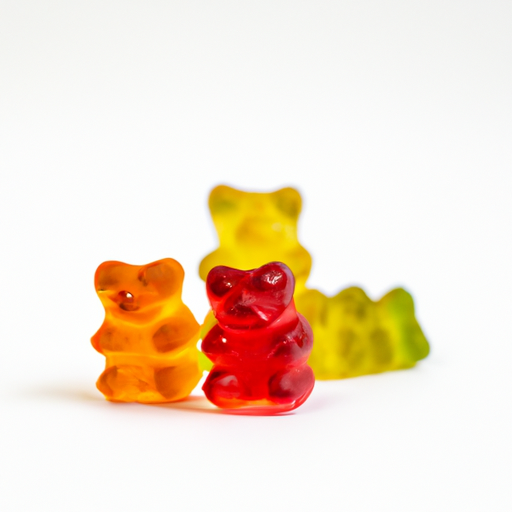
Gummy bears typically have a long shelf life and do not have a strict expiration date. The 'best by' or 'best before' date on the packaging indicates the period during which the gummy bears are expected to retain their optimal taste and texture. While gummy bears may still be safe to eat beyond this date, their quality, flavor, and texture may deteriorate over time. It is recommended to consume them within a reasonable timeframe for the best eating experience.
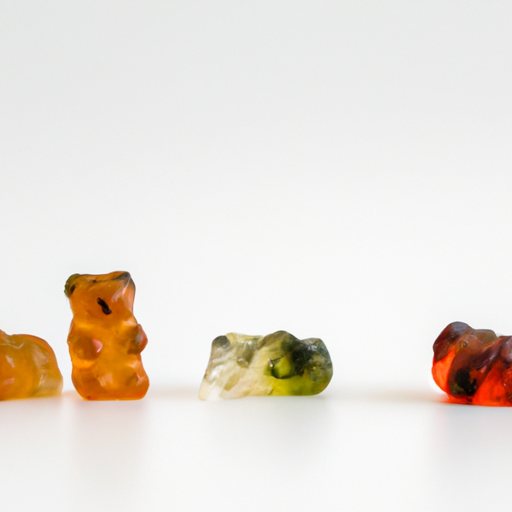
To tell if Gummy Bears have gone bad, look for any changes in color or texture, such as hardening, stickiness, or a slimy film. The gummies may also develop an off-putting smell or taste. If you notice any of these signs, it's best to discard them to avoid potential foodborne illness.
Gummy bears are generally considered low-risk for causing foodborne illnesses due to their high sugar content, which creates an unfavorable environment for bacterial growth. However, improper storage can lead to changes in texture and flavor. It is essential to store gummy bears in a cool, dry place away from direct sunlight to prevent melting or stickiness. Additionally, always check for any signs of mold or unusual odors before consuming.
To maintain the freshness and quality of gummy bears, store them in an airtight container or resealable bag to prevent exposure to moisture and air. Avoid storing them in warm or humid environments as this can cause them to become sticky or lose their shape. If your gummy bears have become hardened due to exposure to air, you can try placing them in a sealed container with a slice of bread or a damp paper towel overnight to help restore their softness.
Gummy bears were first created by German confectioner Hans Riegel in the 1920s and gained popularity worldwide as a beloved candy treat. They are available in a variety of flavors, shapes, and colors, appealing to both children and adults. Gummy bears have become a cultural icon in popular media, often depicted in movies, TV shows, and as a favorite snack for many people.
If Gummy Bears have been left at room temperature for 24 hours, it is best to discard them to prevent the risk of spoilage and potential foodborne illnesses. High sugar content may promote bacterial growth, making them unsafe to consume after extended exposure to room temperature.
Once opened, Gummy Bears can typically be consumed within 3-6 months if stored in a sealed, airtight container in a cool, dry place. Be sure to check for any signs of spoilage like off odors, unusual texture, or mold growth before eating.
The type of container can impact the shelf life of Gummy Bears. Opt for airtight containers to prevent moisture exposure which can cause the gummies to become sticky or harden faster. Avoid containers that are not food-safe as they may affect the taste or texture of the gummies.
Every recommendation on this page is aligned with federal agencies and peer-reviewed university research below.
Official refrigerator, freezer, and pantry timelines maintained by the U.S. Department of Agriculture.
Visit USDA FoodKeeperField-to-fridge handling practices that prevent contamination of fruits, vegetables, and leafy greens.
Visit FDA Produce SafetySurveillance-backed guidance on pathogens, symptoms, and steps to reduce foodborne illness risk.
Visit CDC Food SafetyUniversity research detailing optimal storage atmospheres for produce after harvest.
Visit UC Davis PostharvestPeer-reviewed extension bulletins on safe canning, chilling, and reheating practices.
Visit Penn State ExtensionStorage: Fridge
View guide →
Storage: Pantry
View guide →
Storage: Pantry
View guide →
Storage: Fridge
View guide →
Storage: Pantry
View guide →
Storage: Pantry
View guide →
Storage: Pantry
View guide →
Storage: Pantry
View guide →
Storage: Pantry
View guide →
Important: These are general guidelines based on authoritative sources listed above. Always use your best judgment and when in doubt, throw it out.