How to Store Garlic Whole Bulb for Long-Lasting Freshness
How to Store Garlic Whole Bulb for Long-Lasting Freshness
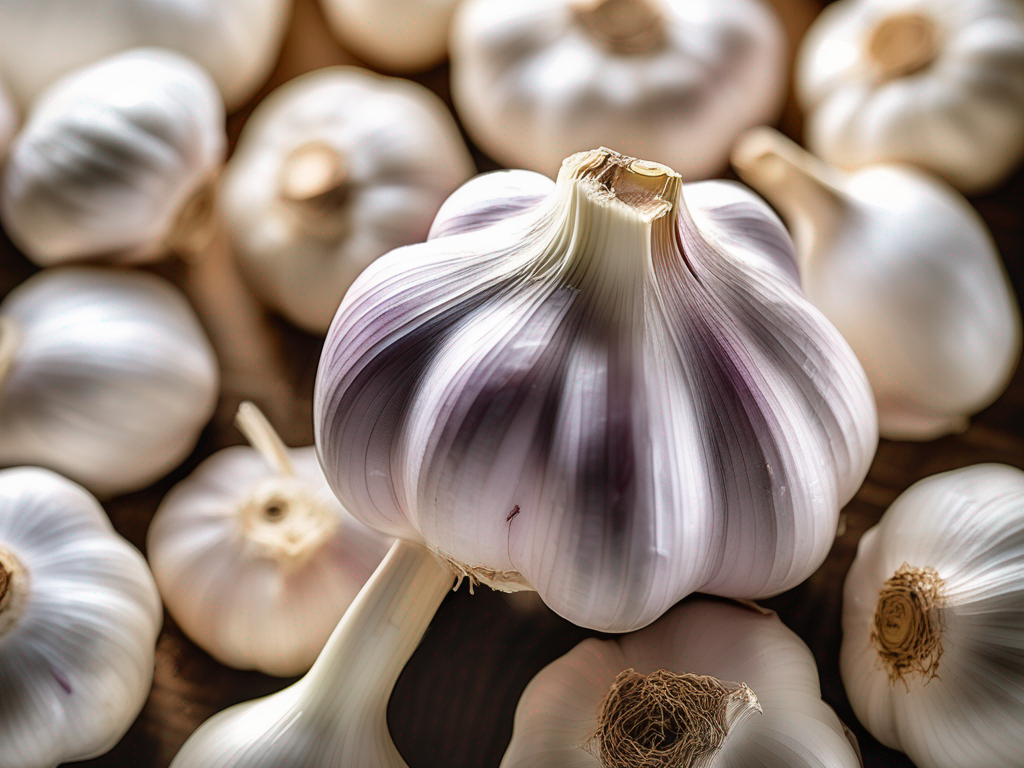
Garlic is a versatile ingredient that adds flavor and aroma to a wide range of dishes. Whether you use it for cooking, seasoning, or even for its potential nutritional quality, storing garlic properly is essential to preserve its freshness and flavor. In this blog post, we will explore effective ways to store whole garlic bulbs to ensure they stay fresh for an extended period. (Garlic whole bulb)
Why Proper Storage Matters for Garlic Whole Bulb
Garlic is prone to sprouting, mold growth, and loss of flavor when not stored correctly. Proper storage not only helps maintain the garlic's taste and aroma but also prevents waste and saves you money in the long run. Here are some reasons why proper storage matters for garlic whole bulb:
Reasons for Proper Storage:
- Prevent Sprouting: Proper storage conditions help prevent garlic cloves from sprouting prematurely.
- Preserve Flavor: Storing garlic correctly helps maintain its pungent flavor and aroma.
- Prevent Mold Growth: Adequate ventilation and dry conditions deter mold growth on garlic bulbs.
- Extend Shelf Life: Proper storage methods can extend the shelf life of garlic whole bulbs for several weeks or even months.
Now, let's delve into some practical tips on how to store garlic whole bulbs effectively.
Tips for Storing Garlic Whole Bulb
When it comes to storing whole garlic bulbs, a few key factors play a crucial role in maintaining their freshness. Follow these tips to ensure your garlic stays fresh for as long as possible:
1. Choose the Right Bulbs:
- Select firm, plump garlic bulbs with tight, dry skins for optimal storage.
2. Avoid Moisture:
- Do Not Refrigerate: Refrigeration can cause garlic to become rubbery and lose its flavor. Store garlic at room temperature instead.
- Avoid Humidity: Keep garlic away from moisture-prone areas like the sink or stove.
3. Provide Adequate Ventilation:
- Use a Basket or Mesh Bag: Store garlic in a well-ventilated container to prevent moisture buildup.
- Keep Them Dry: Ensure the storage container allows for air circulation to keep the garlic bulbs dry.
4. Store in a Cool, Dark Place:
- Ideal Temperature: Store garlic in a cool, dry place with temperatures between 60-65°F (15-18°C).
- Avoid Sunlight: Exposure to direct sunlight can cause garlic to sprout or spoil quickly.
5. Check for Signs of Spoilage:
- Inspect Regularly: Check stored garlic bulbs for any signs of mold, sprouting, or softening.
- Remove Spoiled Bulbs: Discard any garlic bulbs that show signs of spoilage to prevent contamination of the rest.
By following these tips, you can ensure that your garlic whole bulbs remain fresh and flavorful for an extended period.
Conclusion
Proper storage is essential for maintaining the quality and flavor of garlic whole bulbs. By choosing the right bulbs, avoiding moisture, providing adequate ventilation, storing in a cool, dark place, and regularly checking for spoilage, you can extend the freshness of your garlic and enjoy its culinary benefits for longer. Remember, fresh garlic not only enhances the taste of your dishes but also adds nutritional value to your meals. Implement these storage tips to make the most of your garlic bulbs and elevate your culinary creations.
For more information on garlic and other food storage tips, visit our website. Happy cooking! (Garlic whole bulb)
Related Posts
Here are some other articles you might find helpful:
Authoritative Food Safety References
These agencies and university labs inform every tip and health precaution we publish.
USDA FoodKeeper – Cold Storage Guidelines
Official refrigerator, freezer, and pantry timelines maintained by the U.S. Department of Agriculture.
Visit USDA FoodKeeperFDA Produce Safety Rule & Grower Guidance
Field-to-fridge handling practices that prevent contamination of fruits, vegetables, and leafy greens.
Visit FDA Produce SafetyCDC Foodborne Illness Prevention Hub
Surveillance-backed guidance on pathogens, symptoms, and steps to reduce foodborne illness risk.
Visit CDC Food SafetyUC Davis Postharvest Technology Center
University research detailing optimal storage atmospheres for produce after harvest.
Visit UC Davis PostharvestPenn State Extension – Home Food Preservation & Safety
Peer-reviewed extension bulletins on safe canning, chilling, and reheating practices.
Visit Penn State Extension