USDAOfficial guidance
USDA FoodKeeper – Cold Storage Guidelines
Official refrigerator, freezer, and pantry timelines maintained by the U.S. Department of Agriculture.
Visit USDA FoodKeeperStorage conditions, initial freshness, and proper handling change the answer — and those details are easy to miss.
Last reviewed: January 2026
Reviewed by the Can I Eat Expired Editorial Team using official USDA, FDA, and CDC food safety guidance. How we assess food safety risk
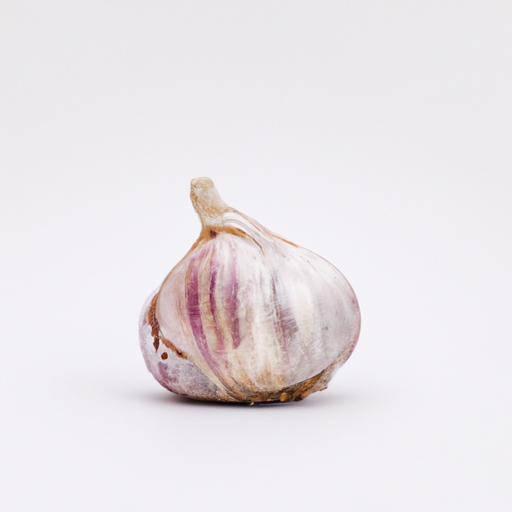
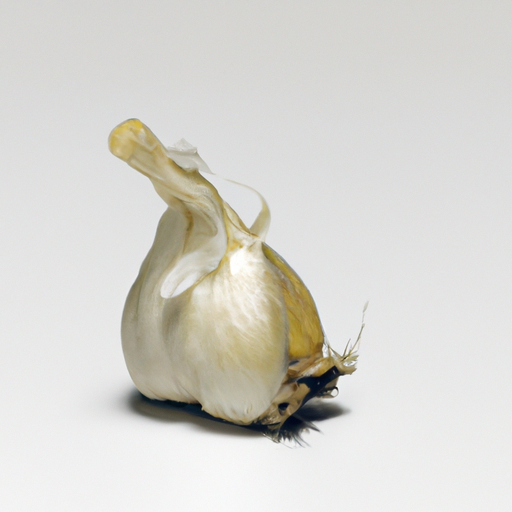
This food is often safe when handled and stored properly, but safety depends on how it's been kept and whether any spoilage signs are present.
⏱️ Safe for up to 10 days after expiry if properly stored and showing no spoilage signs.
Get a yes / no answer for your garlic bulb →
Pantry
60°F (15°C)
Store in a cool, dry place away from direct sunlight.
120 days
Moldy appearance, soft or shriveled cloves, strong odor
Roasting, making garlic butter, infusing oils
Garlic powder, garlic salt
While garlic does not have a strict expiration date, its quality deteriorates over time. As garlic ages, it may lose its pungency and firm texture. However, it remains safe to consume unless moldy or showing signs of spoilage. The flavor may diminish, but the garlic is still usable in cooked dishes.
To determine if a whole bulb of garlic has gone bad, look for mold, dark spots, or sprouting on the cloves. Check for a strong, unpleasant odor or a musty smell. Feel for any soft, mushy, or shriveled cloves, as these are signs of spoilage.
Garlic poses a low risk for foodborne illnesses due to its antimicrobial properties. However, improper storage can promote mold growth, leading to potential health risks. To prevent contamination, always store garlic bulbs in a cool, dry place away from moisture.
To prolong the shelf life of garlic bulbs, store them in a well-ventilated container or mesh bag in a cool, dark place. Avoid refrigeration or exposure to sunlight, as these conditions can cause sprouting or spoilage. To prevent sprouting, keep garlic away from moisture and store individual cloves in a dry environment.
Garlic has a rich history dating back thousands of years and is renowned for its culinary and medicinal properties. It holds cultural significance in various cuisines worldwide, symbolizing protection, strength, and even warding off evil spirits. In ancient Egypt, garlic was fed to laborers to enhance strength and endurance.
Storing Garlic Whole Bulb at room temperature can reduce its shelf life. It's best to store it in a cool, dry place to maintain its quality and flavor for up to 120 days.
Garlic Whole Bulb can be safely consumed if refrigerated for 5 days, as long as there are no signs of spoilage such as mold, unusual odors, or sliminess. It's generally safe to use within 10 days past its expiry date if stored properly.
The type of container can impact the shelf life of Garlic Whole Bulb. It's best to store it in a breathable container or paper bag to prevent moisture buildup, which can lead to mold growth and spoilage.
Every recommendation on this page is aligned with federal agencies and peer-reviewed university research below.
Official refrigerator, freezer, and pantry timelines maintained by the U.S. Department of Agriculture.
Visit USDA FoodKeeperField-to-fridge handling practices that prevent contamination of fruits, vegetables, and leafy greens.
Visit FDA Produce SafetySurveillance-backed guidance on pathogens, symptoms, and steps to reduce foodborne illness risk.
Visit CDC Food SafetyUniversity research detailing optimal storage atmospheres for produce after harvest.
Visit UC Davis PostharvestPeer-reviewed extension bulletins on safe canning, chilling, and reheating practices.
Visit Penn State ExtensionImportant: These are general guidelines based on authoritative sources listed above. Always use your best judgment and when in doubt, throw it out.