The Ultimate Guide to Storing Garden Cress for Maximum Freshness
CanIEatExpired.com Team
# The Ultimate Guide to Storing Garden Cress for Maximum Freshness

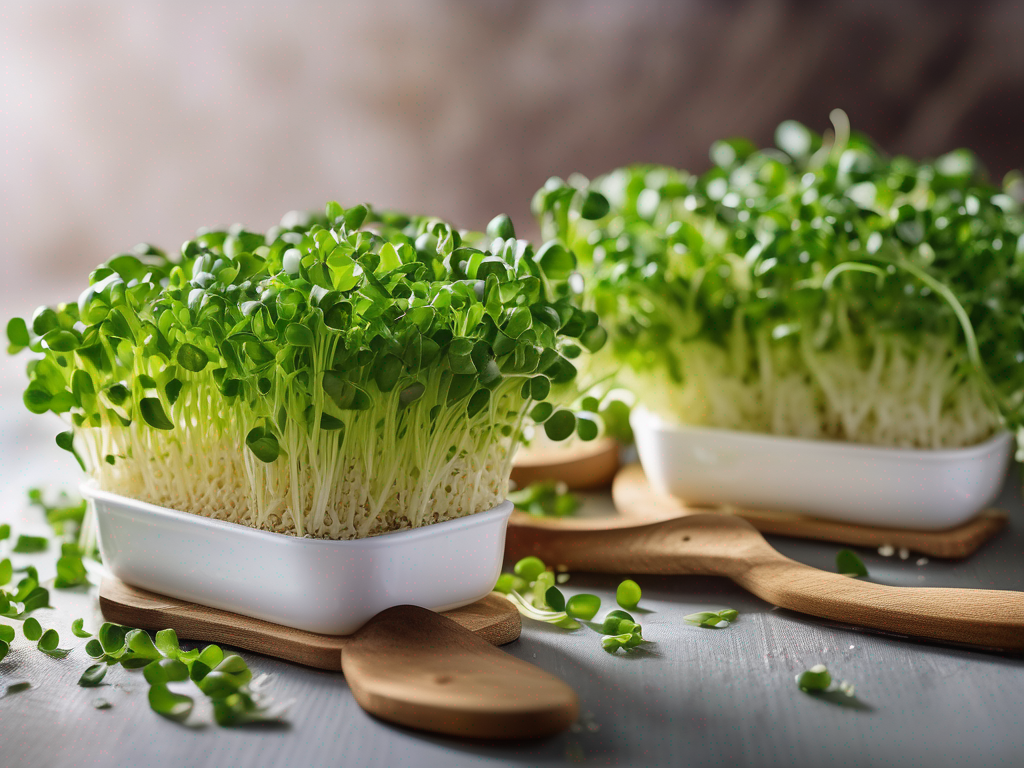
Garden cress, also known as peppergrass, is a versatile and nutritious herb that adds a peppery kick to salads, sandwiches, and soups. Not only is garden cress packed with vitamins and antioxidants, but it also boasts a unique flavor profile that elevates dishes with its fresh taste. To fully enjoy the benefits of garden cress, proper storage is essential. In this comprehensive guide, we will explore the best practices for storing garden cress to maintain its freshness and flavor for an extended period. ([Garden cress](https://canieatexpired.com/food/garden-cress))

## Understanding Garden Cress

Before delving into storage techniques, let's take a closer look at garden cress and its characteristics:

### What is Garden Cress?

- Garden cress is a fast-growing, edible herb that belongs to the Brassicaceae family.
- It features dark green, peppery leaves and is commonly used in culinary applications for its distinctive flavor.
- Rich in vitamins A, C, and K, as well as minerals like iron and calcium, garden cress offers a range of nutritional quality.

## The Importance of Proper Storage

Proper storage is crucial for preserving the quality and flavor of garden cress. Exposure to air, light, and moisture can lead to wilting, loss of nutrients, and a decline in taste. Follow these guidelines to keep your garden cress fresh for longer:

### 1. Choose Fresh Garden Cress

- Select garden cress with vibrant green leaves and a crisp texture.
- Avoid wilted or yellowing leaves, as they indicate age and deterioration.

### 2. Wash and Dry Thoroughly

- Before storage, gently rinse garden cress under cold water to remove any dirt or debris.
- Pat the leaves dry with a clean paper towel or use a salad spinner to ensure they are completely dry.

### 3. Optimal Storage Conditions

- Store garden cress in the refrigerator to maintain its freshness.
- Place the herb in a perforated plastic bag or a damp paper towel to retain moisture without causing sogginess.
- Keep garden cress away from ethylene-producing fruits like apples and bananas, as they can accelerate wilting.

### 4. Proper Placement

- Store garden cress in the crisper drawer of the refrigerator, where humidity levels are higher.
- Avoid placing the herb near the back of the fridge where temperatures can fluctuate.

### 5. Check Regularly

- Inspect garden cress periodically for any signs of wilting or decay.
- Remove any yellowed or slimy leaves to prevent them from affecting the rest of the bunch.

## common situation

Imagine you’ve just harvested a fresh batch of garden cress from your home garden or bought a bunch at the local farmer's market. You’re excited to add this flavorful herb to your meals for the week. However, after a couple of days stored in your fridge, you notice it’s starting to wilt. This situation can happen to anyone, but knowing how to store it properly can keep that fresh taste alive.

Another situation could involve a busy parent trying to incorporate more greens into family meals. You purchase a large bunch of garden cress with the hopes of using it in salads, but life gets busy, and days pass. By following the right storage practices, you can ensure that this nutritious herb remains fresh longer, making it easier to add a pop of flavor to quick dinners.

## Tips for Extending Shelf Life

To prolong the shelf life of garden cress and prevent waste, consider the following tips:

### 1. Freezing Garden Cress

- If you have an abundance of garden cress, consider freezing the herb for future use.
- Wash and dry the leaves thoroughly before chopping and placing them in an airtight container or freezer bag.
- Frozen garden cress can be added directly to dishes like soups and stews without the need for thawing.

### 2. Blanching Before Freezing

- For optimal preservation, blanch garden cress in boiling water for a brief period before freezing.
- This process helps retain the herb's color, texture, and flavor during storage.

### 3. Reviving Wilting Garden Cress

- If your garden cress starts to wilt, revive it by trimming the stems and placing the herb in a glass of water.
- Place the glass in the refrigerator for a few hours to allow the leaves to crisp up before use.

## Common Mistakes in Storing Garden Cress

Many people mistakenly believe that simply tossing garden cress into the fridge is sufficient for keeping it fresh. Unfortunately, this approach often leads to wilting and nutrient loss. Another common error is washing the herb before storing it; while it may seem logical, excess moisture can promote decay. Instead, it's better to wash it just before you're ready to use it. Additionally, neglecting to check on the cress regularly can can increase the likelihood of a batch of spoiled greens before you have a chance to enjoy them.

## Expert Insights on Storing Garden Cress

As a food safety expert, I always emphasize the importance of temperature control when it comes to storing herbs like garden cress. The crisper drawer of your refrigerator is specifically designed for vegetables, which helps maintain a stable environment with the right humidity level. Furthermore, if you're inclined to use herbs regularly, consider investing in a herb keeper. These specialized containers provide ideal conditions for freshness by controlling moisture and airflow.

## Nutritional Benefits of Garden Cress

In addition to being a flavorful addition to meals, garden cress is a powerhouse of nutrition. It's an excellent source of vitamins A, C, and K, which contribute to eye health, immune function, and bone health, respectively. Moreover, its high antioxidant content can help combat oxidative stress in the body. Many people don't realize that this humble herb also contains phytonutrients that may offer anti-inflammatory benefits. Incorporating garden cress into your diet can provide a nutritious boost to your meals with minimal effort.

## Safety Warnings and Considerations

While garden cress is generally safe to eat, it’s important to avoid consuming any parts that have started to decay or mold. The presence of mold indicates that the herb is no longer safe for consumption. Additionally, those with certain allergies or sensitivity to cruciferous vegetables should use caution as garden cress is related to broccoli and mustard greens.

## Conclusion

By following these storage tips and techniques, you can ensure that your garden cress remains fresh, vibrant, and flavorful for an extended period. Proper storage not only enhances the taste of your dishes but also maximizes the nutritional benefits of this versatile herb. Whether you add garden cress to salads, sandwiches, or smoothies, maintaining its freshness will elevate your culinary creations.

For more information on garden cress and other food storage tips, visit [garden cress](/food/garden-cress). Remember, the key to enjoying the full potential of garden cress lies in proper storage practices. Embrace these guidelines and savor the freshness of this nutritious herb in your favorite recipes. ([Garden cress](https://canieatexpired.com/food/garden-cress))

## Related Posts

Here are some other articles you might find helpful:

- [Is My Pesto Sauce Still Safe to Eat? A Guide to Pesto Sauce Shelf Life and Spoilage](/blog/how-can-i-tell-if-my-pesto-sauce-has-gone-bad)
- [Creative Recipes for Using up Leftover Garden Cress Before It Goes Bad](/blog/are-there-any-creative-recipes-for-using-up-leftover-garden-cress-before-it-goes-bad)
- [Preserving Garden Cress for Extended Freshness](/blog/what-are-the-best-ways-to-preserve-garden-cress-for-extended-freshness)
Authoritative Food Safety References
These agencies and university labs inform every tip and health precaution we publish.
USDAOfficial guidance
USDA FoodKeeper – Cold Storage Guidelines
Official refrigerator, freezer, and pantry timelines maintained by the U.S. Department of Agriculture.
Visit USDA FoodKeeperFDAOfficial guidance
FDA Produce Safety Rule & Grower Guidance
Field-to-fridge handling practices that prevent contamination of fruits, vegetables, and leafy greens.
Visit FDA Produce SafetyCDCOfficial guidance
CDC Foodborne Illness Prevention Hub
Surveillance-backed guidance on pathogens, symptoms, and steps to reduce foodborne illness risk.
Visit CDC Food SafetyResearchUniversity research
UC Davis Postharvest Technology Center
University research detailing optimal storage atmospheres for produce after harvest.
Visit UC Davis PostharvestResearchUniversity research
Penn State Extension – Home Food Preservation & Safety
Peer-reviewed extension bulletins on safe canning, chilling, and reheating practices.
Visit Penn State ExtensionDisclosure: As an Amazon Associate, we earn from qualifying purchases. This helps support our site and allows us to continue providing free food safety information.
Our articles are created using a combination of AI assistance and human review. All food safety information is based on USDA guidelines and credible sources. Learn more about our review process here.