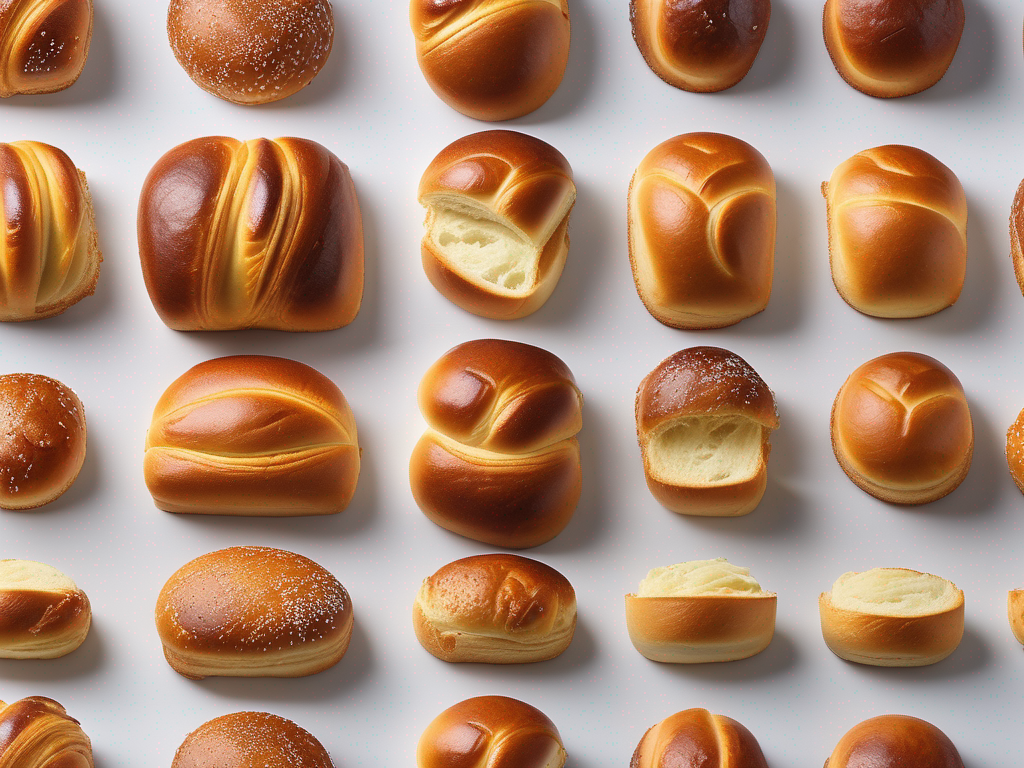
How to Store Brioche to Keep it Fresh Longer
How to Store Brioche to Keep it Fresh Longer
Brioche is a delightful and buttery French bread that is perfect for breakfast, brunch, or as a delicious snack. Its rich texture and slightly sweet flavor make it a favorite among many food enthusiasts. However, like any other baked goods, brioche needs proper storage to maintain its freshness and taste. In this guide, we will explore the best practices for storing brioche to keep it fresh for an extended period. (Brioche)
Why Proper Storage is Important for Brioche
Proper storage of brioche is essential to preserve its taste, texture, and quality. Here are some reasons why storing brioche correctly is crucial:
- Prevent Staling: Storing brioche properly helps prevent it from becoming stale quickly.
- Maintain Freshness: Proper storage methods help retain the moisture content in brioche, keeping it fresh for a longer time.
- Avoid Spoilage: Incorrect storage conditions can lead to mold growth or spoilage, rendering the brioche inedible.
Best Practices for Storing Brioche
1. Room Temperature Storage
- If you plan to consume the brioche within a day or two, storing it at room temperature is acceptable.
- Place the brioche in a paper bag or bread box to protect it from exposure to light and air.
- Avoid storing brioche in plastic bags at room temperature, as they can trap moisture and lead to mold growth.
2. Refrigeration
- For longer storage periods, refrigeration is recommended.
- Wrap the brioche tightly in plastic wrap or aluminum foil to prevent it from drying out in the fridge.
- Before serving, allow the brioche to come to room temperature to enhance its flavor and texture.
3. Freezing Brioche
- Brioche can be frozen to prolong its shelf life.
- Slice the brioche and wrap individual portions in plastic wrap before placing them in a freezer-safe bag.
- Thaw frozen brioche in the refrigerator overnight or reheat in the oven for a few minutes before serving.
4. Avoiding Moisture
- Moisture is the enemy of brioche storage, as it can cause the bread to become soggy or moldy.
- Ensure the brioche is completely cooled before storing it to prevent condensation.
- Use airtight containers or wrapping to protect the brioche from absorbing excess moisture.
Safety Tips for Storing Brioche
1. Check for Mold
- Before consuming stored brioche, always inspect it for any signs of mold growth.
- Discard the brioche if you notice mold, as it can be harmful to your health.
2. Use Clean Containers
- When storing brioche in containers, make sure they are clean and dry to prevent contamination.
3. Label and Date
- If you are freezing brioche, label the packaging with the date to track its freshness.
- Frozen brioche is best consumed within 1-2 months for optimal taste.
Conclusion
Proper storage is key to maintaining the freshness and quality of brioche. Whether you choose to store it at room temperature, in the fridge, or in the freezer, following the recommended guidelines will help extend the shelf life of your favorite French bread. By implementing these storage tips and safety measures, you can enjoy delicious brioche for longer periods without compromising its taste and texture. Learn more about brioche and experiment with different storage methods to find what works best for your preferences. (Brioche)
Dairy products require consistent cold storage to prevent spoilage and bacterial growth. A refrigerator thermometer (Amazon) helps ensure your refrigerator maintains safe temperatures (40°F or below).
Related Posts
Here are some other articles you might find helpful:
Authoritative Food Safety References
These agencies and university labs inform every tip and health precaution we publish.
USDA FoodKeeper – Cold Storage Guidelines
Official refrigerator, freezer, and pantry timelines maintained by the U.S. Department of Agriculture.
Visit USDA FoodKeeperFDA Produce Safety Rule & Grower Guidance
Field-to-fridge handling practices that prevent contamination of fruits, vegetables, and leafy greens.
Visit FDA Produce SafetyCDC Foodborne Illness Prevention Hub
Surveillance-backed guidance on pathogens, symptoms, and steps to reduce foodborne illness risk.
Visit CDC Food SafetyUC Davis Postharvest Technology Center
University research detailing optimal storage atmospheres for produce after harvest.
Visit UC Davis PostharvestPenn State Extension – Home Food Preservation & Safety
Peer-reviewed extension bulletins on safe canning, chilling, and reheating practices.
Visit Penn State ExtensionDisclosure: As an Amazon Associate, we earn from qualifying purchases. This helps support our site and allows us to continue providing free food safety information.