USDAOfficial guidance
USDA FoodKeeper – Cold Storage Guidelines
Official refrigerator, freezer, and pantry timelines maintained by the U.S. Department of Agriculture.
Visit USDA FoodKeeperStorage conditions, initial freshness, and proper handling change the answer — and those details are easy to miss.
Last reviewed: January 2026
Reviewed by the Can I Eat Expired Editorial Team using official USDA, FDA, and CDC food safety guidance. How we assess food safety risk
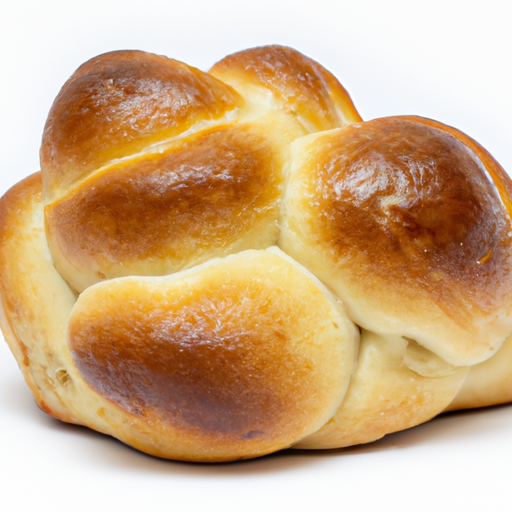
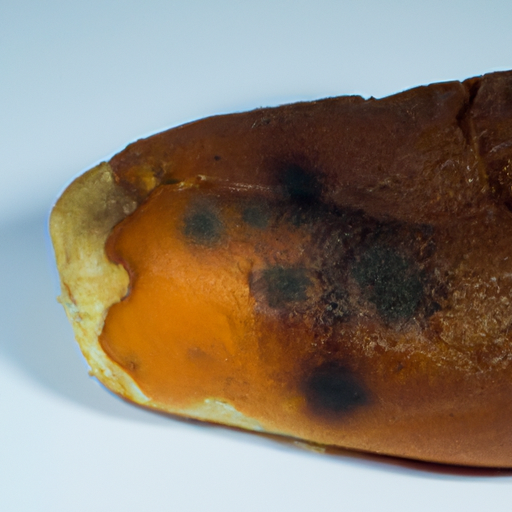
May be safe if properly stored and showing no spoilage signs. Check carefully before consuming.
⏱️ Safe for up to 2 days after expiry if properly stored and showing no spoilage signs.
Get a yes / no answer for your brioche →
Pantry
Room temperature
Store in a paper bag or bread box
Baking ingredients like flour and sugar stay fresher when protected from moisture and pests. airtight storage containers (Amazon) help prevent clumping, spoilage, and pest contamination.
5 days
30 days
Mold, dryness, off smell
Use for French toast or bread pudding
Challah, sweet rolls
The expiration date on brioche primarily indicates when the bread may no longer be safe to consume due to mold or bacterial growth. However, brioche may still be safe to eat for a few days past the expiration date if stored correctly. The best quality of brioche is usually within the first 2-3 days of baking when it is fresh, soft, and flavorful. After that, the texture may become drier, and the taste may diminish, but it can still be consumed if reheated or used in recipes like French toast or bread pudding.
To determine if brioche has gone bad, look for any mold growth on the surface, a sour or off smell, or a change in texture such as becoming overly dry or sticky. Fresh brioche should have a soft, fluffy texture, a sweet aroma, and no visible signs of spoilage.
Brioche, like other baked goods, is susceptible to mold growth if not stored properly. Mold can produce mycotoxins that can cause foodborne illnesses if consumed. To prevent mold growth, it is essential to store brioche in a cool, dry place and avoid exposure to moisture.
To prolong the freshness of brioche, it is best to store it in an airtight container or plastic bag at room temperature for up to 2-3 days. If you want to keep it longer, you can freeze brioche for up to 1-2 months. Before freezing, wrap the brioche tightly in plastic wrap and then place it in a freezer-safe bag. When ready to eat, thaw the brioche at room temperature or reheat it in the oven for a few minutes to revive its texture and flavor.
Brioche is a French pastry with a rich history dating back to the 17th century. It is known for its high butter and egg content, giving it a tender crumb and rich flavor. In France, brioche is often enjoyed for breakfast or as a snack, sometimes filled with chocolate chips or fruits. It is also a staple in traditional French recipes like Pain Perdu (French toast) and Tarte Tropezienne. Brioche is considered a symbol of French culinary excellence and is popular in many countries worldwide.
If Brioche has been left out at room temperature overnight, it's best to discard it to reduce the risk of foodborne illness. Baked goods like Brioche can quickly attract harmful bacteria when left out for extended periods, especially in warm conditions.
Once opened, Brioche can be safely consumed within 2-3 days if stored properly in an airtight container at room temperature. Be sure to check for any signs of spoilage like mold, unusual odors, or texture changes before consuming.
If Brioche has been at room temperature for a few hours, it should still be safe to eat within the next 2 days if stored correctly. Ensure it is stored in a cool, dry place to prevent bacterial growth and maintain its quality.
Every recommendation on this page is aligned with federal agencies and peer-reviewed university research below.
Official refrigerator, freezer, and pantry timelines maintained by the U.S. Department of Agriculture.
Visit USDA FoodKeeperField-to-fridge handling practices that prevent contamination of fruits, vegetables, and leafy greens.
Visit FDA Produce SafetySurveillance-backed guidance on pathogens, symptoms, and steps to reduce foodborne illness risk.
Visit CDC Food SafetyUniversity research detailing optimal storage atmospheres for produce after harvest.
Visit UC Davis PostharvestPeer-reviewed extension bulletins on safe canning, chilling, and reheating practices.
Visit Penn State ExtensionImportant: These are general guidelines based on authoritative sources listed above. Always use your best judgment and when in doubt, throw it out.
Disclosure: As an Amazon Associate, we earn from qualifying purchases. This helps support our site and allows us to continue providing free food safety information.