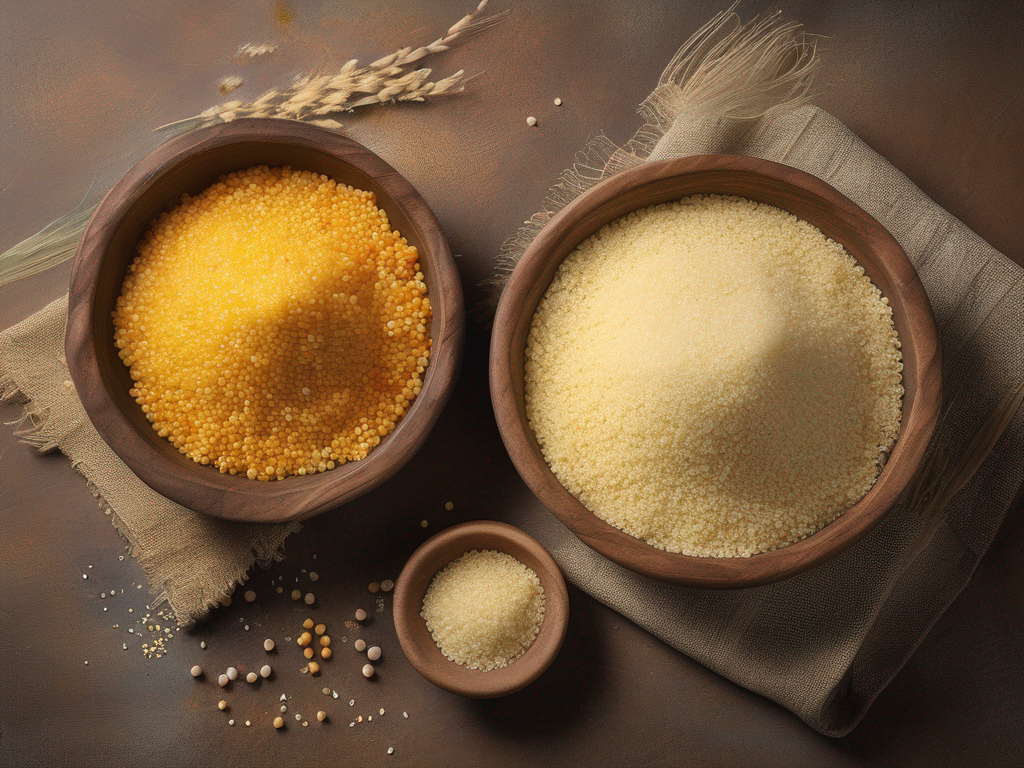
The Ultimate Guide to Properly Storing Couscous Mix for Long-Term Freshness
The Ultimate Guide to Properly Storing Couscous Mix for Long-Term Freshness
Couscous mix is a versatile and nutritious ingredient that can be a staple in many kitchens. Whether you use it for salads, side dishes, or main courses, properly storing couscous mix is essential to maintain its freshness and flavor. In this guide, we will discuss the best practices for storing couscous mix to ensure its long-term freshness and quality. (Couscous mix)
Why Proper Storage Matters for Couscous Mix
Properly storing couscous mix is crucial for several reasons:
-
Preserve Freshness: Storing couscous mix correctly helps retain its flavor and texture, ensuring that it remains fresh for an extended period.
-
Prevent Spoilage: Improper storage can lead to the growth of mold, bacteria, or pests, which can spoil the couscous mix and make it unsafe to consume.
-
Maintain Nutritional Value: By storing couscous mix properly, you can help preserve its nutritional content, ensuring that you get the most out of this healthy ingredient.
Tips for Storing Couscous Mix
1. Choose the Right Container
When storing couscous mix, select a container that is:
- Airtight: To prevent exposure to moisture and air.
- Opaque: To protect the couscous mix from light, which can degrade its quality.
- Durable: Choose a container that is sturdy and can withstand long-term storage.
2. Store in a Cool, Dark Place
To maintain the freshness of couscous mix, store it in a:
- Cool Location: Avoid storing couscous mix near heat sources or in direct sunlight, as heat can cause the couscous to spoil more quickly.
- Dark Place: Exposure to light can lead to flavor loss and nutrient degradation. Store couscous mix in a dark pantry or cupboard.
3. Keep Away from Moisture
Moisture can cause couscous mix to clump and spoil. To prevent moisture exposure:
- Avoid Humid Areas: Store couscous mix away from areas prone to high humidity, such as near the sink or dishwasher.
- Use Silica Gel Packs: Place a silica gel pack in the container to absorb excess moisture and keep the couscous dry.
4. Label and Date the Container
Proper labeling can help you keep track of the couscous mix's freshness:
- Label Clearly: Write the contents and date of storage on the container to easily identify the couscous mix.
- Rotate Stock: Use the oldest couscous mix first to ensure freshness and prevent waste.
5. Check for Signs of Spoilage
Before using couscous mix, inspect it for any signs of spoilage:
- Mold: Discard couscous mix if you notice any mold growth.
- Unpleasant Odor: If the couscous mix has a rancid or off-putting smell, it may be spoiled and unsafe to eat.
- Pests: Check for signs of insect infestation, such as webbing or tiny bugs, and discard the couscous if present.
Conclusion
Properly storing couscous mix is essential to maintain its freshness, flavor, and nutritional value. By following the tips outlined in this guide, you can ensure that your couscous mix remains fresh and safe to consume for an extended period. Remember to choose the right container, store in a cool, dark place, keep away from moisture, label and date the container, and check for signs of spoilage before use. With these practices in place, you can enjoy delicious couscous dishes with confidence. [Learn more about couscous mix here](/food/couscous mix). (Couscous mix)
Related Posts
Here are some other articles you might find helpful:
Authoritative Food Safety References
These agencies and university labs inform every tip and health precaution we publish.
USDA FoodKeeper – Cold Storage Guidelines
Official refrigerator, freezer, and pantry timelines maintained by the U.S. Department of Agriculture.
Visit USDA FoodKeeperFDA Produce Safety Rule & Grower Guidance
Field-to-fridge handling practices that prevent contamination of fruits, vegetables, and leafy greens.
Visit FDA Produce SafetyCDC Foodborne Illness Prevention Hub
Surveillance-backed guidance on pathogens, symptoms, and steps to reduce foodborne illness risk.
Visit CDC Food SafetyUC Davis Postharvest Technology Center
University research detailing optimal storage atmospheres for produce after harvest.
Visit UC Davis PostharvestPenn State Extension – Home Food Preservation & Safety
Peer-reviewed extension bulletins on safe canning, chilling, and reheating practices.
Visit Penn State Extension