Top Tips for Extending the Shelf Life of Couscous Mix
Top Tips for Extending the Shelf Life of Couscous Mix
Couscous mix is a versatile and convenient pantry staple that can be used in a variety of dishes. To ensure that your couscous mix stays fresh and safe for consumption, it is essential to store it properly. In this blog post, we will explore some top tips for extending the shelf life of couscous mix. (Couscous mix)
Understanding Couscous Mix
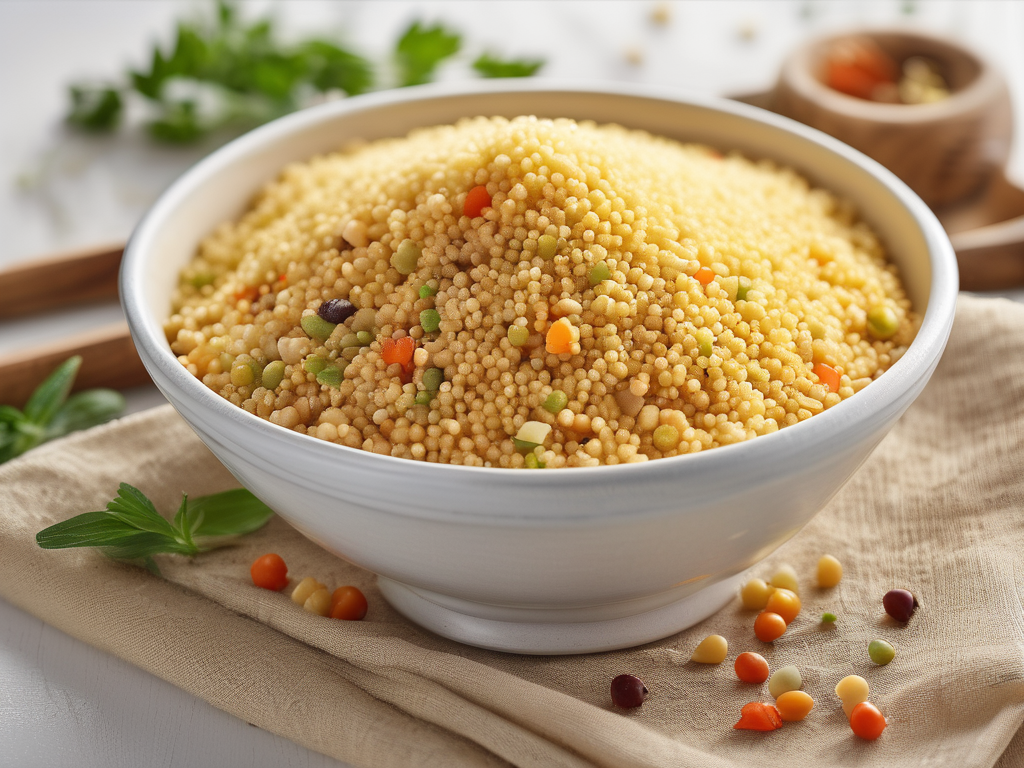
Couscous mix is a blend of couscous, herbs, spices, and sometimes dried vegetables, that can be used as a base for salads, side dishes, or main courses. It is a popular choice for busy home cooks and can be a quick and easy meal option.
Couscous mix is a dry product that does not require refrigeration, but proper storage is key to maintaining its quality and safety.
Proper airflow and humidity control can significantly extend produce freshness. Many households use produce storage containers (Amazon) in the refrigerator to regulate moisture and slow spoilage.
Proper Storage of Couscous Mix
To extend the shelf life of your couscous mix, follow these storage tips:
-
Store in a Cool, Dry Place: Couscous mix should be stored in a cool, dry place away from direct sunlight and heat sources. Exposure to moisture and humidity can cause the mix to clump and lose its quality.
-
Use Airtight Containers: Transfer your couscous mix to an airtight container or resealable bag to prevent air and moisture from getting in. This will help maintain the freshness of the mix for a longer period.
-
Label and Date: To keep track of the shelf life of your couscous mix, label the container with the date of purchase or expiration. This will help you use the mix before it loses its quality.
-
Avoid Contamination: Make sure to use clean, dry utensils when handling the couscous mix to avoid contamination. Keep the container tightly sealed when not in use.
Tips for Prolonging Shelf Life
Here are some additional tips for prolonging the shelf life of your couscous mix:
- Rotate Stock: If you buy couscous mix in bulk, make sure to rotate your stock so that you use the older mixes first.
- Keep Away from Strong Odors: Couscous mix can absorb odors from strong-smelling foods, so store it away from items like spices or onions.
- Inspect for Signs of Spoilage: Before using the couscous mix, inspect it for any signs of spoilage such as off smells, discoloration, or mold. If in doubt, it's best to discard it.
Safety Considerations
When storing couscous mix, it's important to keep safety in mind:
- Check for Pests: Inspect the container for any signs of pests such as insects or rodents. Properly sealing the container will help prevent infestations.
- Follow Expiration Dates: While couscous mix typically has a long shelf life, it's still important to check the expiration date on the package and use it before that date.
Conclusion
By following these top tips for storing couscous mix, you can ensure that it stays fresh, flavorful, and safe for consumption. Proper storage practices are key to extending the shelf life of your couscous mix and enjoying delicious meals for longer. Remember to keep your couscous mix in a cool, dry place, use airtight containers, and inspect it regularly for any signs of spoilage. With these simple steps, you can make the most of this versatile pantry staple. (Couscous mix)
Related Posts
Here are some other articles you might find helpful:
Authoritative Food Safety References
These agencies and university labs inform every tip and health precaution we publish.
USDA FoodKeeper – Cold Storage Guidelines
Official refrigerator, freezer, and pantry timelines maintained by the U.S. Department of Agriculture.
Visit USDA FoodKeeperFDA Produce Safety Rule & Grower Guidance
Field-to-fridge handling practices that prevent contamination of fruits, vegetables, and leafy greens.
Visit FDA Produce SafetyCDC Foodborne Illness Prevention Hub
Surveillance-backed guidance on pathogens, symptoms, and steps to reduce foodborne illness risk.
Visit CDC Food SafetyUC Davis Postharvest Technology Center
University research detailing optimal storage atmospheres for produce after harvest.
Visit UC Davis PostharvestPenn State Extension – Home Food Preservation & Safety
Peer-reviewed extension bulletins on safe canning, chilling, and reheating practices.
Visit Penn State ExtensionDisclosure: As an Amazon Associate, we earn from qualifying purchases. This helps support our site and allows us to continue providing free food safety information.