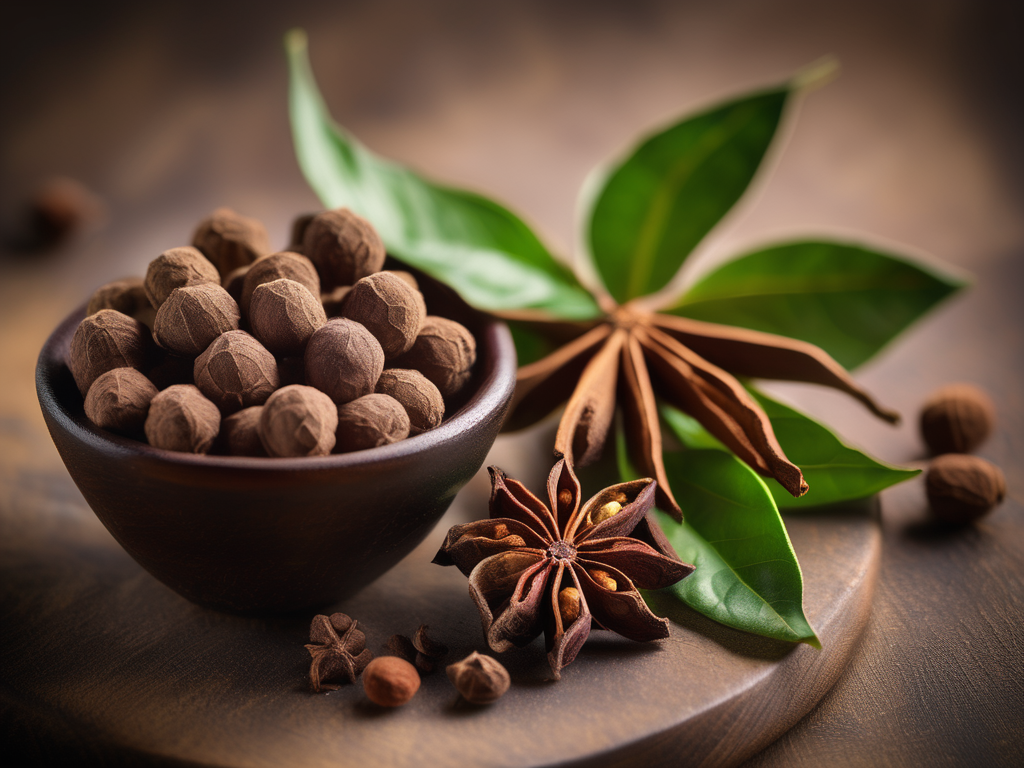
Maximizing Freshness: How to Properly Store Allspice
Maximizing Freshness: How to Properly Store Allspice
Allspice is a versatile and aromatic spice that is commonly used in both sweet and savory dishes. Its warm and earthy flavor profile makes it a popular choice in many cuisines around the world. To fully enjoy the rich taste and aroma of allspice, proper storage is key. In this comprehensive guide, we will explore the best practices for storing allspice to ensure maximum freshness and flavor retention. (Allspice)
Understanding Allspice
Before diving into storage methods, let's first understand what allspice is. Allspice is derived from the dried berries of the Pimenta dioica plant, which is native to Central and South America. The berries are harvested when they are green and unripe, then dried in the sun until they turn a deep brown color. The name "allspice" comes from its complex flavor profile, which is said to resemble a combination of cinnamon, cloves, and nutmeg.
Allspice is commonly used in both whole and ground form, with the ground version being more convenient for everyday use. It adds depth and warmth to dishes such as stews, curries, baked goods, and pickles.
Proper cooking temperatures are essential for food safety. An instant-read food thermometer (Amazon) helps ensure meat reaches safe internal temperatures and reduces the risk of foodborne illness.
Benefits of Allspice
- Rich in antioxidants
- Anti-inflammatory properties
- Aids in digestion
Proper Storage Techniques
To preserve the freshness and flavor of allspice, it is essential to store it correctly. Improper storage can lead to flavor loss, decreased potency, and even spoilage. Follow these tips to ensure that your allspice remains at its best:
1. Choose the Right Container
- Store allspice in an airtight container to protect it from moisture, light, and air exposure.
- Opt for glass jars or containers with tight-sealing lids to prevent the entry of moisture and odors.
2. Keep It Away from Heat and Light
- Store allspice in a cool, dark place away from direct sunlight and heat sources like stoves and ovens.
- Heat and light can degrade the essential oils in allspice, leading to flavor loss.
3. Avoid Humidity
- Moisture is the enemy of allspice as it can cause clumping and mold growth.
- Keep allspice away from humid areas like the stove, sink, or dishwasher.
4. Label and Date the Container
- Properly label the container with the date of purchase to track its freshness.
- Use a permanent marker or label maker to avoid confusion with other spices.
5. Store Whole Allspice Berries Properly
- If storing whole allspice berries, keep them in an airtight container and crush or grind them as needed.
- Whole berries retain their flavor and aroma longer than ground allspice.
Safety Precautions
While allspice is generally safe for consumption, it is essential to follow proper safety precautions to prevent contamination and spoilage:
1. Check for Signs of Spoilage
- Before using allspice, inspect it for any signs of mold, unusual odors, or discoloration.
- If the allspice appears off in any way, discard it immediately.
2. Wash Hands and Utensils
- Always wash your hands and utensils before handling allspice to prevent cross-contamination.
- Use clean and dry measuring spoons to scoop out the desired amount of allspice.
3. Avoid Cross-Contamination
- Store allspice away from raw meats, poultry, and seafood to prevent cross-contamination.
- Use separate utensils for handling raw and cooked foods to maintain food safety.
Conclusion
Proper storage is essential for maintaining the freshness and flavor of allspice. By following the tips outlined in this guide, you can ensure that your allspice remains potent and aromatic for an extended period. Remember to store it in a cool, dark place, away from heat, light, and moisture, in an airtight container. Regularly check for signs of spoilage and follow safety precautions to enjoy allspice in your culinary creations with peace of mind.
Refrigerator temperature fluctuations can accelerate spoilage and increase food safety risks. A refrigerator thermometer (Amazon) helps monitor consistent cold storage (40°F or below).
Now that you know how to properly store allspice, check out our collection of delicious allspice recipes to put your freshly stored spice to good use! Bon appétit! (Allspice)
Related Posts
Here are some other articles you might find helpful:
Authoritative Food Safety References
These agencies and university labs inform every tip and health precaution we publish.
USDA FoodKeeper – Cold Storage Guidelines
Official refrigerator, freezer, and pantry timelines maintained by the U.S. Department of Agriculture.
Visit USDA FoodKeeperFDA Produce Safety Rule & Grower Guidance
Field-to-fridge handling practices that prevent contamination of fruits, vegetables, and leafy greens.
Visit FDA Produce SafetyCDC Foodborne Illness Prevention Hub
Surveillance-backed guidance on pathogens, symptoms, and steps to reduce foodborne illness risk.
Visit CDC Food SafetyUC Davis Postharvest Technology Center
University research detailing optimal storage atmospheres for produce after harvest.
Visit UC Davis PostharvestPenn State Extension – Home Food Preservation & Safety
Peer-reviewed extension bulletins on safe canning, chilling, and reheating practices.
Visit Penn State ExtensionDisclosure: As an Amazon Associate, we earn from qualifying purchases. This helps support our site and allows us to continue providing free food safety information.