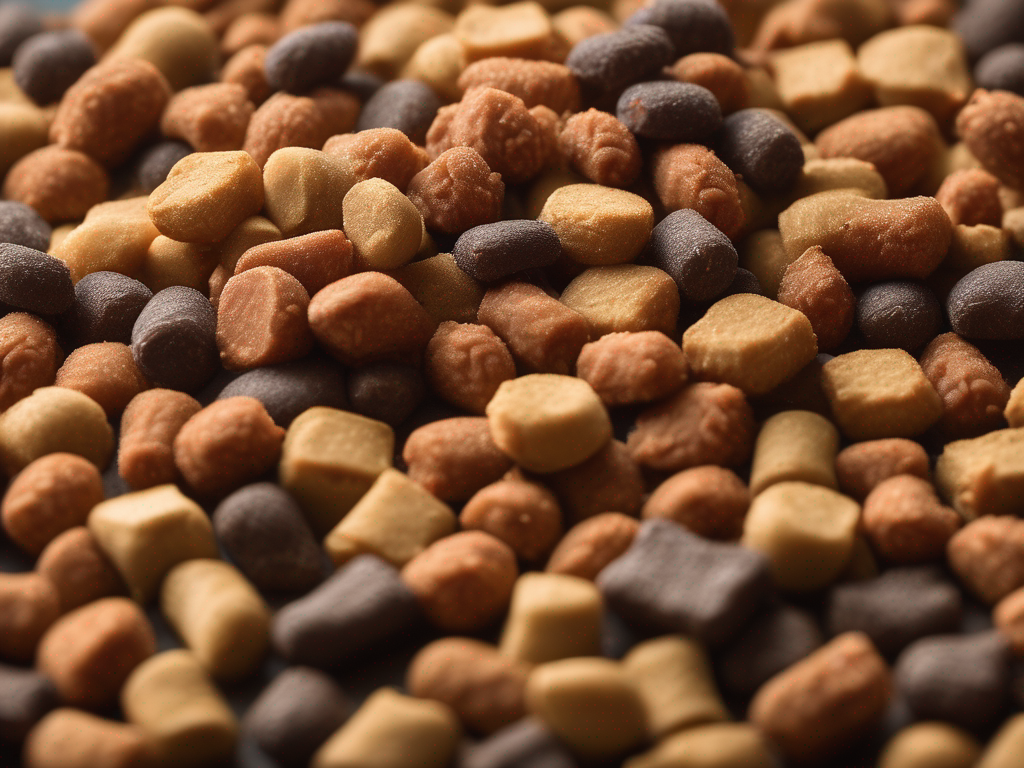
How to Properly Seal Opened Dry Dog Food Bags to Maintain Freshness
How to Properly Seal Opened Dry Dog Food Bags to Maintain Freshness
As a responsible pet owner, ensuring the freshness and quality of your dog's food is essential for their health and well-being. Properly sealing opened dry dog food bags is crucial to prevent spoilage, contamination, and pest infestation. In this guide, we will discuss the best practices for sealing and storing dry dog food to maintain its freshness and nutritional value. (Dry dog food)
Why Properly Sealing Dry Dog Food Bags Is Important
Properly sealing opened dry dog food bags offers several benefits, including:
- Preserving Freshness: Sealing the bag helps retain the food's aroma, taste, and nutritional content.
- Preventing Contamination: Airtight sealing minimizes the risk of bacterial growth and cross-contamination.
- Avoiding Pest Infestation: Sealing the bag tightly deters pests such as insects and rodents from accessing the food.
- Extending Shelf Life: Proper sealing can prolong the shelf life of dry dog food, ensuring that it remains safe for consumption.
Best Practices for Sealing Dry Dog Food Bags
1. Use Airtight Containers or Sealable Bags
- Transfer the remaining dry dog food from the original bag to an airtight container or sealable bag.
- Choose containers made of food-grade materials that are designed for storing pet food.
- Ensure that the container is clean, dry, and free from any residues before transferring the food.
2. Seal the Bag Properly
- If you prefer to keep the food in its original bag, ensure a tight seal after each use.
- Roll down the top of the bag tightly to remove excess air before sealing.
- Use a clip or binder to secure the rolled portion of the bag to maintain freshness.
3. Store in a Cool, Dry Place
- Keep the sealed dry dog food container or bag in a cool, dry place away from direct sunlight.
- Avoid storing the food near heat sources or in areas with high humidity.
- Maintaining the right storage conditions helps preserve the food's quality and flavor.
4. Monitor Expiration Dates
- Check the expiration date on the original packaging and transfer it to the new container.
- Keep track of the expiration date to ensure that you use the food before it expires.
- Discard any leftover food that has passed its expiration date to prevent feeding your pet stale or spoiled food.
5. Avoid Mixing Old and New Food
- If you are refilling the container with a new bag of dry dog food, avoid mixing it with the remnants of the old food.
- Discard any remaining food before refilling the container to prevent contamination and maintain freshness.
- Clean the container before adding a new batch of food to ensure hygiene.
Conclusion
Properly sealing opened dry dog food bags is essential for maintaining the freshness, quality, and safety of your pet's food. By following the best practices outlined in this guide, you can ensure that your furry friend enjoys nutritious and delicious meals every time. Remember to store the sealed bags or containers in a cool, dry place, monitor expiration dates, and avoid mixing old and new food batches. Your pet will thank you for providing them with fresh and tasty meals every day.
For more information on [dry dog food](/food/dry dog food) and pet nutrition, visit our website. Thank you for prioritizing your pet's well-being and safety. (Dry dog food)
Related Posts
Here are some other articles you might find helpful:
Authoritative Food Safety References
These agencies and university labs inform every tip and health precaution we publish.
USDA FoodKeeper – Cold Storage Guidelines
Official refrigerator, freezer, and pantry timelines maintained by the U.S. Department of Agriculture.
Visit USDA FoodKeeperFDA Produce Safety Rule & Grower Guidance
Field-to-fridge handling practices that prevent contamination of fruits, vegetables, and leafy greens.
Visit FDA Produce SafetyCDC Foodborne Illness Prevention Hub
Surveillance-backed guidance on pathogens, symptoms, and steps to reduce foodborne illness risk.
Visit CDC Food SafetyUC Davis Postharvest Technology Center
University research detailing optimal storage atmospheres for produce after harvest.
Visit UC Davis PostharvestPenn State Extension – Home Food Preservation & Safety
Peer-reviewed extension bulletins on safe canning, chilling, and reheating practices.
Visit Penn State Extension