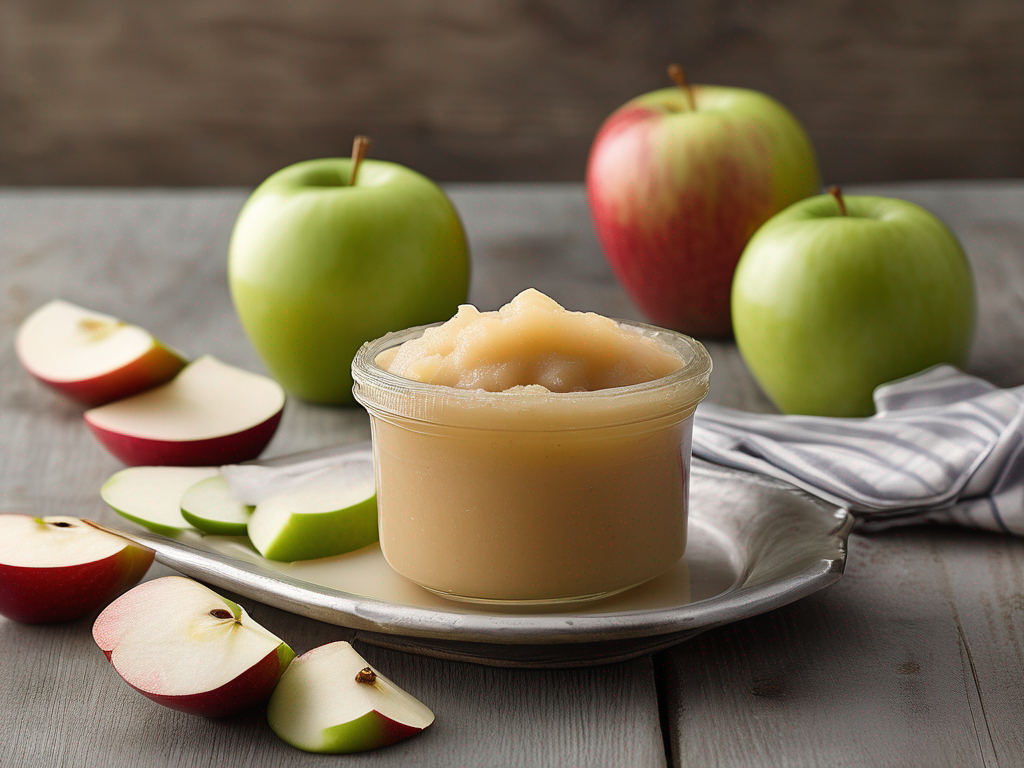
**Extending the Shelf Life of Opened Applesauce: Tips and Tricks**
Extending the Shelf Life of Opened Applesauce: Tips and Tricks
When it comes to preserving opened applesauce, proper storage and handling are key to maintaining its freshness and quality. Applesauce is a delicious and versatile food that can be enjoyed on its own or used in various recipes. To ensure that your opened applesauce stays safe to eat and tasty for longer, follow these practical tips and guidelines. (Applesauce)
1. Refrigeration is Key
a. Store at the Right Temperature
- Applesauce should be stored in the refrigerator at a temperature below 40°F (4°C).
- Avoid storing applesauce in the door of the refrigerator, as temperature fluctuations can affect its quality.
b. Use Airtight Containers
- Transfer the opened applesauce into an airtight container before refrigerating it.
- Make sure the container is clean and free from any contaminants to prevent spoilage.
2. Preventing Contamination
a. Use Clean Utensils
- When scooping out applesauce, use clean utensils to prevent introducing bacteria into the jar.
- Avoid double-dipping to maintain the quality of the applesauce.
b. Keep the Jar Clean
- Wipe the rim of the jar with a clean, damp cloth before resealing it to prevent mold growth.
- Check for any signs of spoilage, such as off-putting odors or discoloration, before consuming.
3. Freezing for Long-Term Storage
a. Portion Control
- If you have a large jar of opened applesauce, consider portioning it into smaller containers before freezing.
- This allows you to thaw only what you need, minimizing waste.
b. Freezing Guidelines
- Applesauce can be frozen for up to 3-6 months without significant loss of quality.
- Leave some headspace in the container when freezing, as the applesauce will expand as it freezes.
4. Using Frozen Applesauce
a. Thawing Safely
- Thaw frozen applesauce in the refrigerator overnight or under cold running water.
- Do not refreeze thawed applesauce, as this can affect its texture and flavor.
b. Incorporating Frozen Applesauce
- Frozen applesauce can be used in baking, smoothies, or as a topping for oatmeal or yogurt.
- Get creative with how you use your frozen applesauce to enjoy its flavor in various dishes.
5. Signs of Spoilage
a. Mold Growth
- If you notice any mold on the surface of the applesauce, discard it immediately.
- Mold can produce unpleasant flavors, odors, or reduced nutritional quality that may be harmful if consumed.
b. Off Odors or Colors
- If the applesauce smells off or has changed color, it is best to err on the side of caution and throw it out.
- Trust your senses when determining the freshness of opened applesauce.
By following these tips for storing and extending the shelf life of opened applesauce, you can enjoy this tasty treat for longer while ensuring your safety. Proper handling and storage practices are essential in preserving the quality of your food and minimizing food waste.
Remember to always practice good food safety habits and trust your instincts when it comes to assessing the freshness of your opened applesauce. Enjoy your delicious applesauce creations with confidence knowing that you've taken the necessary steps to prolong its shelf life!
Dairy products require consistent cold storage to prevent spoilage and bacterial growth. A refrigerator thermometer (Amazon) helps ensure your refrigerator maintains safe temperatures (40°F or below).
For more information on applesauce and other food storage tips, visit applesauce. (Applesauce)
Related Posts
Here are some other articles you might find helpful:
- Reviving Expired Applesauce: Top Tips for Safe Consumption
- How to Preserve Homemade Applesauce for Longer Freshness
- How to Properly Store Opened Applesauce to Prevent Mold
- The Ultimate Guide to Preserving Fresh-Picked Apples
- Keeping Unopened Applesauce Mold-Free: Expert Tips and Tricks
Authoritative Food Safety References
These agencies and university labs inform every tip and health precaution we publish.
USDA FoodKeeper – Cold Storage Guidelines
Official refrigerator, freezer, and pantry timelines maintained by the U.S. Department of Agriculture.
Visit USDA FoodKeeperFDA Produce Safety Rule & Grower Guidance
Field-to-fridge handling practices that prevent contamination of fruits, vegetables, and leafy greens.
Visit FDA Produce SafetyCDC Foodborne Illness Prevention Hub
Surveillance-backed guidance on pathogens, symptoms, and steps to reduce foodborne illness risk.
Visit CDC Food SafetyUC Davis Postharvest Technology Center
University research detailing optimal storage atmospheres for produce after harvest.
Visit UC Davis PostharvestPenn State Extension – Home Food Preservation & Safety
Peer-reviewed extension bulletins on safe canning, chilling, and reheating practices.
Visit Penn State ExtensionFrequently Asked Questions
How can I extend the shelf life of opened applesauce?
Can I freeze opened applesauce to make it last longer?
What are some signs that opened applesauce has gone bad?
Can I add preservatives to opened applesauce to make it last longer?
How long can opened applesauce be safely consumed after opening?
Citations
Disclosure: As an Amazon Associate, we earn from qualifying purchases. This helps support our site and allows us to continue providing free food safety information.