Extending the Shelf Life of Fresh Whole Carrots in the Fridge
Extending the Shelf Life of Fresh Whole Carrots in the Fridge
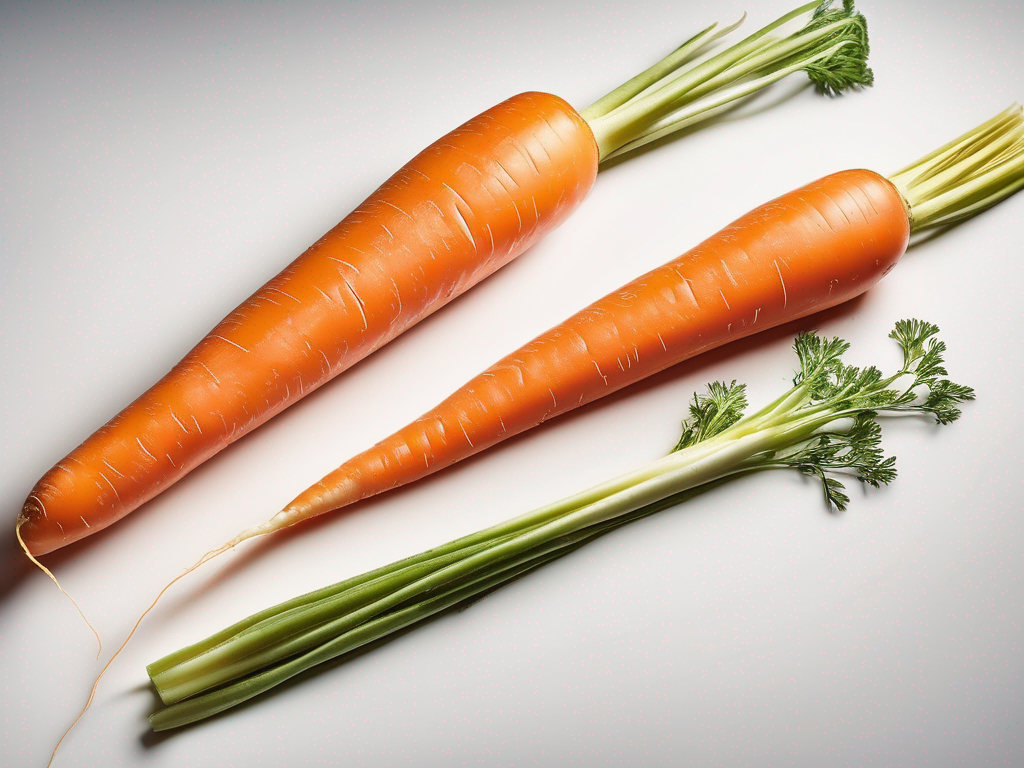
Carrots are not only delicious and versatile in various dishes but also packed with essential nutrients like Vitamin A, fiber, and antioxidants. To make the most out of this nutritious vegetable, proper storage is crucial to maintain its freshness and extend its shelf life. In this blog post, we will discuss practical tips on how to store fresh whole carrots in the fridge to keep them crisp and flavorful for an extended period. (Carrots fresh whole)
Why Proper Storage Matters for Carrots
Proper storage of fresh whole carrots is essential for several reasons:
- Maintaining Freshness: Correct storage helps retain the crisp texture and sweet flavor of carrots.
- Preventing Spoilage: Improper storage can lead to mold growth, wilting, or a loss of nutrients.
- Minimizing Food Waste: By storing carrots correctly, you can avoid premature spoilage and reduce food waste.
Choosing the Right Carrots
Before diving into storage tips, it's essential to select the right carrots for optimal freshness and longevity:
Proper airflow and humidity control can significantly extend produce freshness. Many households use produce storage containers (Amazon) in the refrigerator to regulate moisture and slow spoilage.
Selecting Fresh Carrots
When purchasing fresh whole carrots, look for the following characteristics:
- Firm texture without soft spots or blemishes
- Vibrant orange color
- Intact green tops (if attached)
- Avoid carrots with visible signs of mold or decay
Proper Storage Techniques
Now that you've chosen the perfect carrots, let's explore the best practices for storing them in the fridge:
1. Remove the Tops
Remove the green tops from the carrots before storage. The tops can draw moisture from the carrots, leading to wilting.
Keeping produce organized can improve air circulation and cooling. refrigerator organizer bins (Amazon) help reduce overcrowding and maintain consistent refrigerator temperatures.
2. Rinse and Dry
Gently rinse the carrots under cold water to remove any dirt or debris. Pat them dry with a clean towel to prevent excess moisture, which can cause rotting.
3. Choose the Right Storage Container
Opt for a perforated plastic bag or a vegetable storage bag to maintain proper airflow while retaining moisture. Avoid storing carrots in airtight containers as they need some airflow.
4. Adjust the Humidity
Store carrots in the vegetable crisper drawer of the fridge, which offers higher humidity levels suitable for preserving their freshness.
5. Separate Carrots from Ethylene-Producing Fruits
Keep carrots away from ethylene-producing fruits like apples, bananas, and tomatoes. Ethylene can accelerate the ripening process and lead to spoilage.
6. Check for Spoilage Regularly
Inspect your carrots periodically for any signs of spoilage, such as mold, soft spots, or a slimy texture. Discard any carrots that show these signs.
Additional Tips for Prolonging Freshness
Here are some extra tips to help extend the shelf life of your fresh whole carrots:
- Store carrots in a cool, dark place to prevent them from becoming bitter.
- Consider blanching and freezing carrots for longer-term storage.
- Use carrot tops in recipes like pesto or salads to minimize waste.
Conclusion
By following these storage tips and techniques, you can ensure that your fresh whole carrots stay crisp, flavorful, and nutrient-packed for an extended period in the fridge. Proper storage not only helps in preserving the quality of the carrots but also reduces food waste and ensures that you can enjoy this versatile vegetable in various culinary creations.
For more information on food safety and storage, visit [carrots fresh whole](/food/carrots fresh whole). Remember, a little care in storage goes a long way in maintaining the freshness and quality of your favorite vegetables like carrots. (Carrots fresh whole)
Related Posts
Here are some other articles you might find helpful:
- The Ultimate Guide to Storing Carrots to Prevent Spoilage
- Keeping Carrots Fresh Whole: A Complete Guide to Storage
- Preserving Carrots Fresh Whole in the Pantry: Tips and Tricks
- Creative Recipes to Use Up Extra Carrots Fresh Whole
- Preserving the Freshness of Carrots Fresh Whole: Tips for Extended Storage
Authoritative Food Safety References
These agencies and university labs inform every tip and health precaution we publish.
USDA FoodKeeper – Cold Storage Guidelines
Official refrigerator, freezer, and pantry timelines maintained by the U.S. Department of Agriculture.
Visit USDA FoodKeeperFDA Produce Safety Rule & Grower Guidance
Field-to-fridge handling practices that prevent contamination of fruits, vegetables, and leafy greens.
Visit FDA Produce SafetyCDC Foodborne Illness Prevention Hub
Surveillance-backed guidance on pathogens, symptoms, and steps to reduce foodborne illness risk.
Visit CDC Food SafetyUC Davis Postharvest Technology Center
University research detailing optimal storage atmospheres for produce after harvest.
Visit UC Davis PostharvestPenn State Extension – Home Food Preservation & Safety
Peer-reviewed extension bulletins on safe canning, chilling, and reheating practices.
Visit Penn State ExtensionDisclosure: As an Amazon Associate, we earn from qualifying purchases. This helps support our site and allows us to continue providing free food safety information.