USDAOfficial guidance
USDA FoodKeeper – Cold Storage Guidelines
Official refrigerator, freezer, and pantry timelines maintained by the U.S. Department of Agriculture.
Visit USDA FoodKeeperLast reviewed: January 2026
Reviewed by the Can I Eat Expired Editorial Team using official USDA, FDA, and CDC food safety guidance. How we assess food safety risk
May be safe if properly stored and showing no spoilage signs. Check carefully before consuming.
Storage conditions, initial freshness, and potential contamination change the answer — and those details are easy to miss.
Get a yes / no answer for your carrots →
Check Your Exact Situation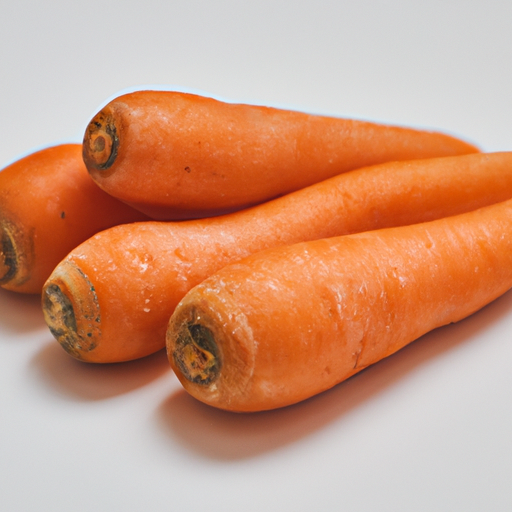
Fridge
32-35°F (0-2°C)
Keep carrots in a perforated plastic bag in the vegetable crisper.
Proper airflow and humidity control can extend produce freshness. Using produce storage containers (Amazon) in the refrigerator helps regulate moisture and slow spoilage.
14 days
180 days
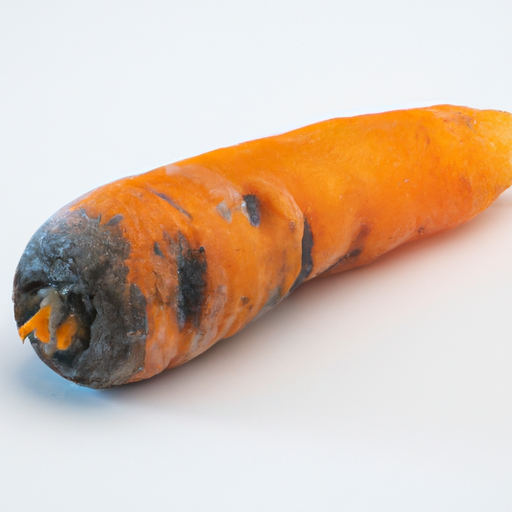
Mold, Slimy texture, Off smell
Carrot soup, Carrot cake, Pickled carrots
Sweet potatoes, Parsnips, Turnips
Over time, carrots may become limp and lose their crisp texture as they dehydrate. While they may still be safe to eat after they degrade in quality, the taste and texture may not be as appealing. It's best to consume carrots within a few weeks of purchase for optimal quality.
To determine if whole carrots have gone bad, look for mold or dark spots on the surface, a slimy texture, and a foul or fermented smell. Fresh carrots should be firm, smooth, and have a vibrant orange color. If they appear wrinkled, soft, or emit an unpleasant odor, it's best to discard them to avoid any potential foodborne illness.
Carrots can be contaminated with pathogens such as Salmonella and Listeria, especially if not properly washed or stored. To prevent foodborne illnesses, always wash carrots thoroughly before consumption and store them in a clean, dry environment. High-risk scenarios include cross-contamination with raw meat or poultry juices.
To keep carrots fresh longer, remove the leafy green tops before storing them in a perforated plastic bag in the refrigerator. Carrots can also be stored in a container filled with water to maintain their crispness. Avoid storing carrots near ethylene-producing fruits like apples, as this can cause them to spoil faster.
Carrots have been cultivated for over 5,000 years and were originally grown for their leaves and seeds rather than the roots we consume today. They are believed to have originated in present-day Afghanistan and were originally purple or white, not orange. Carrots are a symbol of good luck in some cultures and are associated with vision improvement.
Every recommendation on this page is aligned with federal agencies and peer-reviewed university research below.
Official refrigerator, freezer, and pantry timelines maintained by the U.S. Department of Agriculture.
Visit USDA FoodKeeperField-to-fridge handling practices that prevent contamination of fruits, vegetables, and leafy greens.
Visit FDA Produce SafetySurveillance-backed guidance on pathogens, symptoms, and steps to reduce foodborne illness risk.
Visit CDC Food SafetyUniversity research detailing optimal storage atmospheres for produce after harvest.
Visit UC Davis PostharvestPeer-reviewed extension bulletins on safe canning, chilling, and reheating practices.
Visit Penn State ExtensionImportant: These are general guidelines based on authoritative sources listed above. Always use your best judgment and when in doubt, throw it out.
Disclosure: As an Amazon Associate, we earn from qualifying purchases. This helps support our site and allows us to continue providing free food safety information.