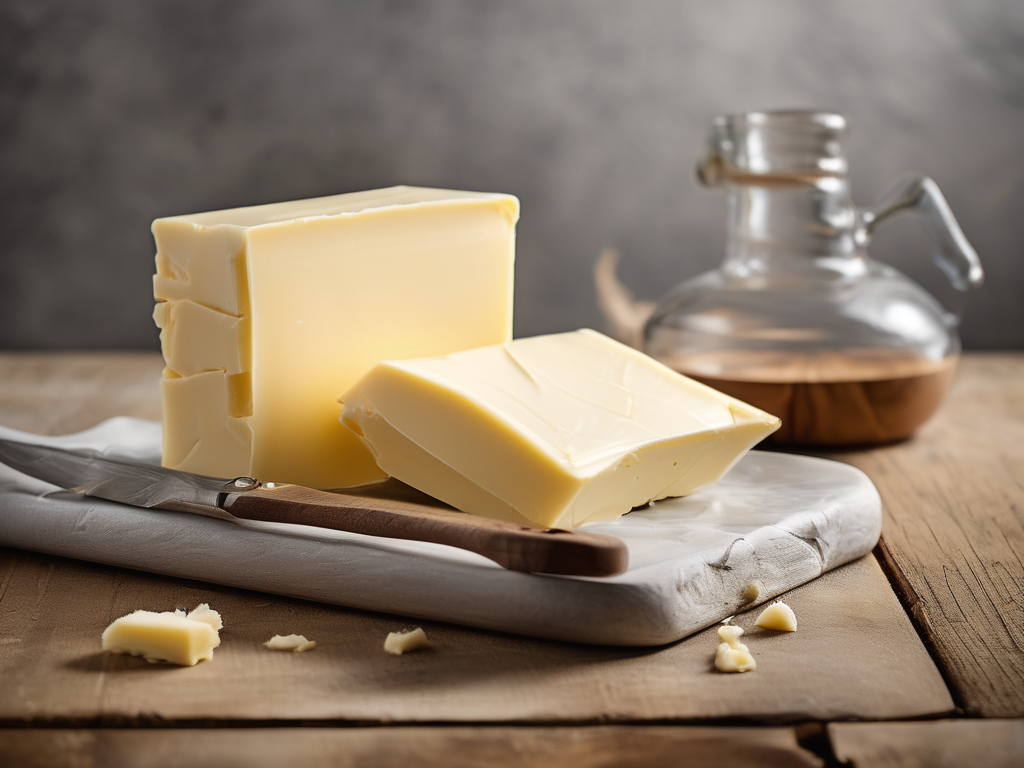
How Long Does Frozen Butter Last: A Comprehensive Guide
How Long Does Frozen Butter Last: A Comprehensive Guide
When it comes to food storage, butter is a staple ingredient in many households. Whether you buy it in bulk or use it sparingly, knowing how to properly store butter can extend its shelf life and prevent any food safety issues. In this guide, we will delve into the topic of frozen butter and explore how long it lasts in the freezer. (Butter)
The Basics of Freezing Butter
Freezing butter is a convenient way to extend its shelf life beyond the expiration date. By storing butter in the freezer, you can prevent it from spoiling and ensure that you always have a supply on hand for all your cooking and baking needs. Here are some key points to keep in mind when freezing butter:
How to Freeze Butter:
- Unopened Butter: If you have unopened butter that you want to freeze, simply place the entire package in a resealable freezer bag to prevent any freezer burn.
- Opened Butter: For opened butter, cut it into smaller portions or cubes before wrapping them tightly in plastic wrap or aluminum foil. This will help maintain the quality of the butter and make it easier to thaw only the amount you need.
Storage Tips:
- Store frozen butter in the coldest part of the freezer to maintain its quality.
- Label the packaging with the date of freezing to keep track of its freshness.
Shelf Life of Frozen Butter
The shelf life of frozen butter can vary depending on how it is stored and the quality of the butter before freezing. Here is a general guideline on how long different types of butter can last in the freezer:
Dairy products require consistent cold storage to prevent spoilage and bacterial growth. A refrigerator thermometer (Amazon) helps ensure your refrigerator maintains safe temperatures (40°F or below).
Unsalted Butter:
- Salted Butter: Salt acts as a preservative, so salted butter can typically last longer in the freezer compared to unsalted butter.
Factors Affecting Shelf Life:
- Quality of Butter: High-quality butter may last longer in the freezer compared to lower quality options.
- Freezer Temperature: A stable and consistently cold freezer can help prolong the shelf life of frozen butter.
Recommended Storage Time:
- Unsalted Butter: Unsalted butter can typically last in the freezer for up to 6-9 months.
- Salted Butter: Salted butter can last even longer, up to 9-12 months when properly stored.
Thawing Frozen Butter
Thawing frozen butter is a simple process that requires some time and patience. Here are a few methods you can use to thaw frozen butter:
Thawing Methods:
- Refrigerator: The safest way to thaw frozen butter is by placing it in the refrigerator overnight.
- Room Temperature: If you need to thaw butter quickly, you can leave it at room temperature for a few hours.
- Microwave: Use the defrost setting on your microwave to thaw frozen butter in short intervals, checking and stirring it frequently.
Tips for Thawing:
- Avoid using high heat to thaw butter, as this can cause it to separate or become overly soft.
- Use thawed butter within a few days for optimal freshness.
Food Safety Tips for Frozen Butter
While freezing butter can help extend its shelf life, it is essential to follow some food safety tips to ensure that the butter remains safe to consume:
Safety Guidelines:
- Check for Signs of Spoilage: Before using frozen butter, inspect it for any signs of freezer burn, off odors, or discoloration.
- Proper Packaging: Ensure that the butter is tightly sealed to prevent any contamination or absorption of odors from other foods in the freezer.
- Thawing Hygiene: Practice good hygiene when thawing butter to prevent cross-contamination with other foods.
common situation
Imagine it's Sunday afternoon, and you're preparing a batch of cookies for a family gathering the next day. You open the fridge, only to realize you’re out of butter. This is a common situation where having frozen butter on hand can save the day! Many bakers keep butter in their freezer, allowing them to whip up a batch of their favorite treats at a moment's notice.
After opening, transferring dairy into an airtight container (Amazon) can reduce odor absorption, limit moisture exposure, and help slow bacterial growth.
In another instance, let’s say you’ve stocked up on butter during a sale, but your family doesn’t consume it fast enough. Rather than letting it go to waste, you can freeze it and ensure it’s ready for the next baking session. This not only helps in utilizing food efficiently but also saves you money!
Scientific Context
Butter is primarily made up of fats, water, and milk solids, which all play a role in its unique flavor and texture. When freezing butter, the water content can form ice crystals, which might alter its texture slightly once thawed. However, the fat content helps preserve its flavor. Understanding these components can help you appreciate why butter can maintain its quality well in the freezer if stored correctly.
Freezing works by slowing down the enzyme activity that causes food spoilage. The low temperatures in the freezer halt bacterial growth, thus extending the shelf life of butter. However, over time, even frozen butter can develop freezer burn if not properly wrapped. Freezer burn occurs when air reaches the food, causing dehydration and affecting the texture and flavor.
Practical Tips for Butter Storage
- Portion Control: Consider freezing butter in small portions or sticks. This way, you can easily thaw just what you need for a recipe without having to defrost the entire block.
- Use Parchment Paper: If you want to prevent butter from sticking together, wrap individual portions in parchment paper before placing them in a freezer bag. This method allows for easy separation.
- Avoid Refreezing: Once butter has been thawed, it’s best to use it within a few days. Refreezing can lead to a loss of quality and texture.
Common Mistakes
Many people assume that all types of butter freeze the same way. However, flavored butters—like garlic or herb-infused—may not store as well due to their added ingredients. The herbs can lose their freshness and flavor after being frozen, and the texture may become compromised. It’s advisable to check if the flavor components can withstand freezing before deciding to freeze them.
Another common mistake is neglecting to wrap butter properly. Leaving butter unwrapped or inadequately sealed can lead to freezer burn, which diminishes both the taste and quality. Always ensure your butter is tightly wrapped to avoid this issue.
Expert Insights
As a food safety expert, one of the fundamental recommendations I give is to always keep a food thermometer handy. While it might seem irrelevant for butter storage, maintaining the right temperature in your freezer is crucial for food safety. The ideal freezer temperature should be 0°F (-18°C) or lower to ensure optimal food preservation.
Additionally, be mindful of the butter's "best by" date. Freezing butter doesn’t mean it will last forever; it’s essential to use it within the recommended time frames mentioned to maintain quality.
Conclusion
In conclusion, frozen butter can last for an extended period if stored properly in the freezer. By following the tips and guidelines outlined in this guide, you can ensure that your butter remains safe to use and maintains its quality for all your culinary endeavors. Remember to check the quality of the butter before using it and practice safe thawing methods to enjoy delicious dishes made with frozen butter.
For more information on butter and other food storage tips, visit butter. Stay informed, stay safe, and happy cooking! (Butter)
Related Posts
Here are some other articles you might find helpful:
- Ampliando la Vida Útil del Pastel de Mantequilla en la Despensa
- Signs that Butter Cake has gone bad
- Comment éviter que le beurre ne tourne trop vite?
- Cómo prevenir que la mantequilla se eche a perder demasiado rápido
- Pouvez-vous cuisiner en toute sécurité du beurre de poisson américain périmé s'il a été congelé?
Authoritative Food Safety References
These agencies and university labs inform every tip and health precaution we publish.
USDA FoodKeeper – Cold Storage Guidelines
Official refrigerator, freezer, and pantry timelines maintained by the U.S. Department of Agriculture.
Visit USDA FoodKeeperFDA Produce Safety Rule & Grower Guidance
Field-to-fridge handling practices that prevent contamination of fruits, vegetables, and leafy greens.
Visit FDA Produce SafetyCDC Foodborne Illness Prevention Hub
Surveillance-backed guidance on pathogens, symptoms, and steps to reduce foodborne illness risk.
Visit CDC Food SafetyUC Davis Postharvest Technology Center
University research detailing optimal storage atmospheres for produce after harvest.
Visit UC Davis PostharvestPenn State Extension – Home Food Preservation & Safety
Peer-reviewed extension bulletins on safe canning, chilling, and reheating practices.
Visit Penn State ExtensionDisclosure: As an Amazon Associate, we earn from qualifying purchases. This helps support our site and allows us to continue providing free food safety information.