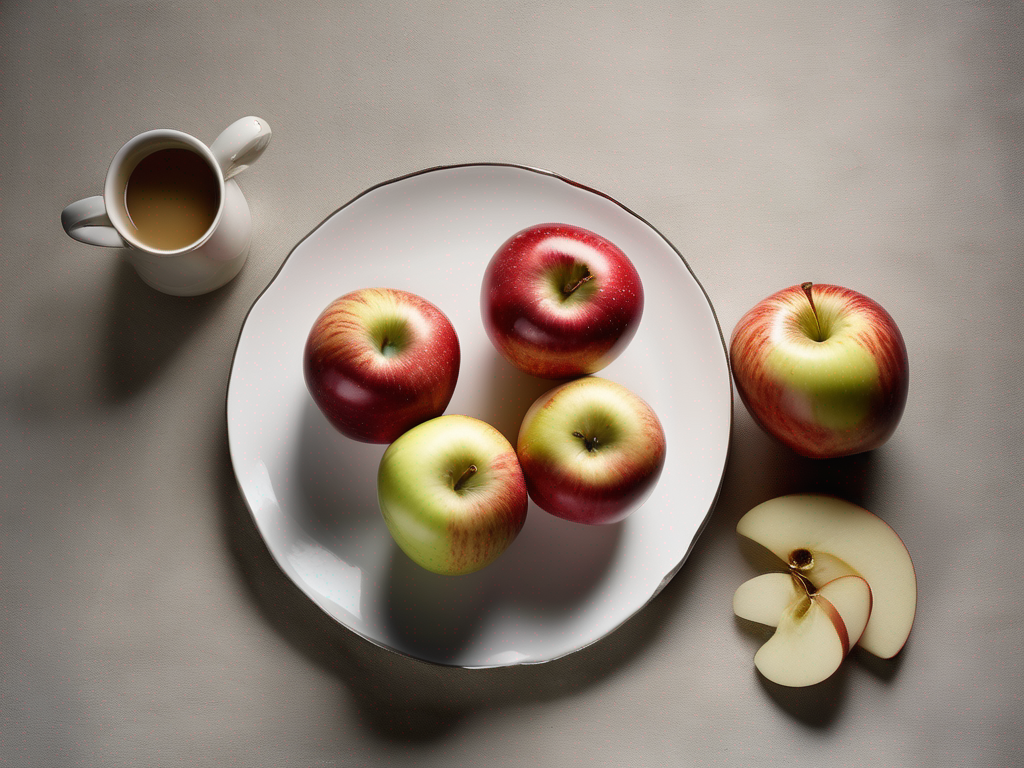
How Long Does Fresh Pressed Apple Juice Last?
CanIEatExpired.com Team
# How Long Does Fresh Pressed Apple Juice Last?

When it comes to fresh pressed apple juice, many people wonder about its shelf life and how to best store it to maintain its freshness and flavor. In this blog post, we will delve into the topic of how long fresh pressed apple juice lasts, the factors that influence its shelf life, and practical tips for storage to ensure you can enjoy your apple juice for as long as possible. ([Apple](https://canieatexpired.com/food/apple))

## Factors Affecting Fresh Pressed Apple Juice Shelf Life

Several factors can influence how long fresh pressed apple juice lasts. Understanding these factors can help you determine the optimal storage conditions to prolong the juice's shelf life.

### 1. Pasteurization

- **Unpasteurized Juice:** Fresh pressed apple juice that is unpasteurized will have a shorter shelf life compared to pasteurized juice.
- **Pasteurized Juice:** Pasteurization helps extend the shelf life of apple juice by killing harmful bacteria and enzymes that can cause spoilage.

### 2. Storage Temperature

- **Refrigeration:** Storing fresh pressed apple juice in the refrigerator will help slow down the growth of bacteria and maintain its freshness.
- **Freezing:** Freezing apple juice can significantly extend its shelf life, allowing you to enjoy it for several months.

### 3. Exposure to Air and Light

- **Oxygen Exposure:** Exposure to oxygen can lead to oxidation, which can cause the juice to deteriorate faster.
- **Light Exposure:** UV light can also degrade the quality of apple juice over time.

### 4. Contamination

- **Cleanliness:** Ensure that all equipment and containers used to store apple juice are clean and sanitized to prevent contamination.
- **Sealed Containers:** Store apple juice in airtight containers to prevent exposure to contaminants.

## Shelf Life of Fresh Pressed Apple Juice

The shelf life of fresh pressed apple juice can vary depending on the factors mentioned above. Here is a general guideline for how long apple juice can last under different storage conditions:

- **Refrigerated:** Fresh pressed apple juice stored in the refrigerator can last for about 7-10 days.
- **Frozen:** When properly frozen, apple juice can last for up to 3-4 months without significant loss of quality.

## How to Store Fresh Pressed Apple Juice

Proper storage is key to maintaining the freshness and flavor of fresh pressed apple juice. Here are some practical tips for storing apple juice:

1. **Refrigerate Promptly:** After pressing the juice, refrigerate it promptly to slow down bacterial growth.
2. **Use Airtight Containers:** Store apple juice in airtight containers to prevent exposure to air and contaminants.
3. **Avoid Temperature Fluctuations:** Keep the juice at a consistent temperature to prevent spoilage.
4. **Label and Date:** Label containers with the date the juice was pressed to track its freshness.

## Safety Tips for Fresh Pressed Apple Juice

Ensuring the safety of fresh pressed apple juice is essential to prevent foodborne illnesses. Here are some safety tips to keep in mind:

- **Wash Apples Thoroughly:** Wash apples before juicing to remove any dirt or contaminants on the skin.
- **Use Clean Equipment:** Ensure that all juicing equipment is thoroughly cleaned and sanitized before use.
- **Check for Spoilage:** Discard any apple juice that appears discolored, foamy, or has an off smell.

## common situation

### 1. Family Reunion Delight

Imagine it's apple season, and you’ve just pressed a large batch of fresh apple juice for a family reunion. Everyone is excited, and the kids can’t get enough of the sweet, crisp juice. However, after the first day, you realize you have leftovers. By storing the remaining juice in airtight containers and promptly refrigerating them, you’re able to enjoy that same refreshing taste for several more days, reminding you of the joyful moments shared with loved ones.

### 2. Emergency Preparation

Common situations include that decides to stock up on fresh pressed apple juice before a hurricane hits. By freezing their juice in portions, they not only preserve its quality but also create an essential supply of hydration and nutrients. When the storm passes and they finally enjoy the juice weeks later, it tastes just as fresh as the day it was pressed.

### 3. Weekend Chef

Picture a home chef who loves to create exquisite meals from scratch. They decide to prepare a delightful apple dessert using fresh pressed juice. After enjoying their cooking adventure, they find themselves with extra juice. By using proper storage techniques, they can utilize it in dressings, marinades, or even cocktails throughout the week, minimizing waste and enhancing their culinary experience.

## Scientific Context: Nutritional Benefits

Fresh pressed apple juice is not just a delicious treat; it also carries several nutritional benefits. It’s rich in vitamin C, antioxidants, and dietary fiber. Vitamin C is essential for immune function, while antioxidants can help combat oxidative stress in the body. The dietary fiber, although reduced in juice compared to whole apples, provides benefits for digestion.

However, it’s important to note that consuming juice in moderation is key. Many people don't realize that while fruit juice can be nutritious, it can also be high in sugars. Drinking fresh pressed apple juice can lead to spikes in blood sugar levels, especially if consumed in large quantities.

For those who enjoy the taste but are health-conscious, consider diluting the juice with water or pairing it with whole fruits to balance out the sugar intake.

## Common Mistakes in Storing Apple Juice

Many people unknowingly make errors when storing fresh pressed apple juice that can lead to spoilage. Here are some common mistakes to avoid:

1. **Leaving it Out Too Long**: After juicing, some may mistakenly believe their fresh juice can sit out for hours. In reality, it should be refrigerated immediately to prevent bacterial growth.

2. **Using Non-Airtight Containers**: Storing juice in containers that aren't airtight can lead to rapid spoilage due to oxidation and contamination. Always use proper containers.

3. **Failing to Label**: Many forget to label their containers with dates, which can lead to consuming juice that’s past its prime. Take the time to write down the pressing date to keep track of freshness.

4. **Not Freezing Properly**: If you choose to freeze apple juice, don’t fill the containers to the brim. Juice expands when frozen, and an overfilled container can break, creating a mess and wasting the juice.

## Expert Insights

As a food safety expert, I advise that understanding the nuances of fresh pressed apple juice can significantly enhance your enjoyment of this beverage. It’s essential to not only focus on storage but also on the quality of the apples you use for juicing.

Opt for organic or locally sourced apples whenever possible, as they tend to be fresher and free from harmful pesticides. If you plan to juice in bulk, consider experimenting with different apple varieties to discover unique flavors. Each apple type contributes its own sweetness and tartness, so mix and match to find your perfect blend.

Remember to check the expiration dates on the containers if you buy juice from the store. Even pasteurized juices can spoil if they’re not stored properly. Following good food safety practices will ensure that you enjoy fresh pressed apple juice at its best!

## Conclusion

Fresh pressed apple juice is a delicious and refreshing beverage that can be enjoyed for several days when stored properly. By understanding the factors that influence its shelf life and following the storage tips outlined in this post, you can ensure that your apple juice stays fresh and safe to consume. Remember to refrigerate or freeze the juice promptly, use airtight containers, and practice good hygiene when handling and storing fresh pressed apple juice. Enjoy the crisp and natural flavors of apple juice while ensuring its quality and safety for your enjoyment. ([Apple](https://canieatexpired.com/food/apple))

## Related Posts

Here are some other articles you might find helpful:

- [When Do Carrots Expire: A Guide to Carrot Storage and Shelf Life](/blog/when-do-carrots-expire)
- [When Does Apple Juice Expire: A Comprehensive Guide](/blog/when-does-apple-juice-expire)
- [Can You Drink Unopened Expired Apple Juice?](/blog/can-you-drink-unopened-expired-apple-juice)
- [How Long Can You Eat Salad After the Expiration Date?](/blog/how-long-can-you-eat-salad-after-expiration-date)
- [Is it Necessary to Refrigerate Papaya for Optimal Freshness?](/blog/does-papaya-need-to-be-refrigerated)
Authoritative Food Safety References
These agencies and university labs inform every tip and health precaution we publish.
USDAOfficial guidance
USDA FoodKeeper – Cold Storage Guidelines
Official refrigerator, freezer, and pantry timelines maintained by the U.S. Department of Agriculture.
Visit USDA FoodKeeperFDAOfficial guidance
FDA Produce Safety Rule & Grower Guidance
Field-to-fridge handling practices that prevent contamination of fruits, vegetables, and leafy greens.
Visit FDA Produce SafetyCDCOfficial guidance
CDC Foodborne Illness Prevention Hub
Surveillance-backed guidance on pathogens, symptoms, and steps to reduce foodborne illness risk.
Visit CDC Food SafetyResearchUniversity research
UC Davis Postharvest Technology Center
University research detailing optimal storage atmospheres for produce after harvest.
Visit UC Davis PostharvestResearchUniversity research
Penn State Extension – Home Food Preservation & Safety
Peer-reviewed extension bulletins on safe canning, chilling, and reheating practices.
Visit Penn State Extension❓
Frequently Asked Questions
How long does fresh pressed apple juice last in the refrigerator?
Fresh pressed apple juice typically lasts for about 7-10 days when stored in the refrigerator at temperatures below 40°F. It is important to keep the juice tightly sealed in a glass or plastic container to maintain its freshness.
Can fresh pressed apple juice be frozen for longer storage?
Yes, fresh pressed apple juice can be frozen for extended storage. Simply pour the juice into a freezer-safe container, leaving some room for expansion, and freeze for up to 6 months. Thaw the juice in the refrigerator before consuming.
How can I tell if fresh pressed apple juice has gone bad?
Signs that fresh pressed apple juice has gone bad include a sour smell, mold growth, or a cloudy appearance. If you notice any of these indicators, it is best to discard the juice to avoid the risk of foodborne illness.
Can I leave fresh pressed apple juice at room temperature?
It is not recommended to leave fresh pressed apple juice at room temperature for an extended period of time, as it can promote the growth of harmful bacteria. It is best to refrigerate the juice promptly after pressing or purchasing.
Is it safe to drink fresh pressed apple juice past its expiration date?
It is not advisable to consume fresh pressed apple juice past its expiration date, as it may pose a risk of foodborne illness. Always check the expiration date on the packaging and discard any juice that has passed this date to ensure food safety.
📚
Citations
Disclosure: As an Amazon Associate, we earn from qualifying purchases. This helps support our site and allows us to continue providing free food safety information.
Our articles are created using a combination of AI assistance and human review. All food safety information is based on USDA guidelines and credible sources. Learn more about our review process here.