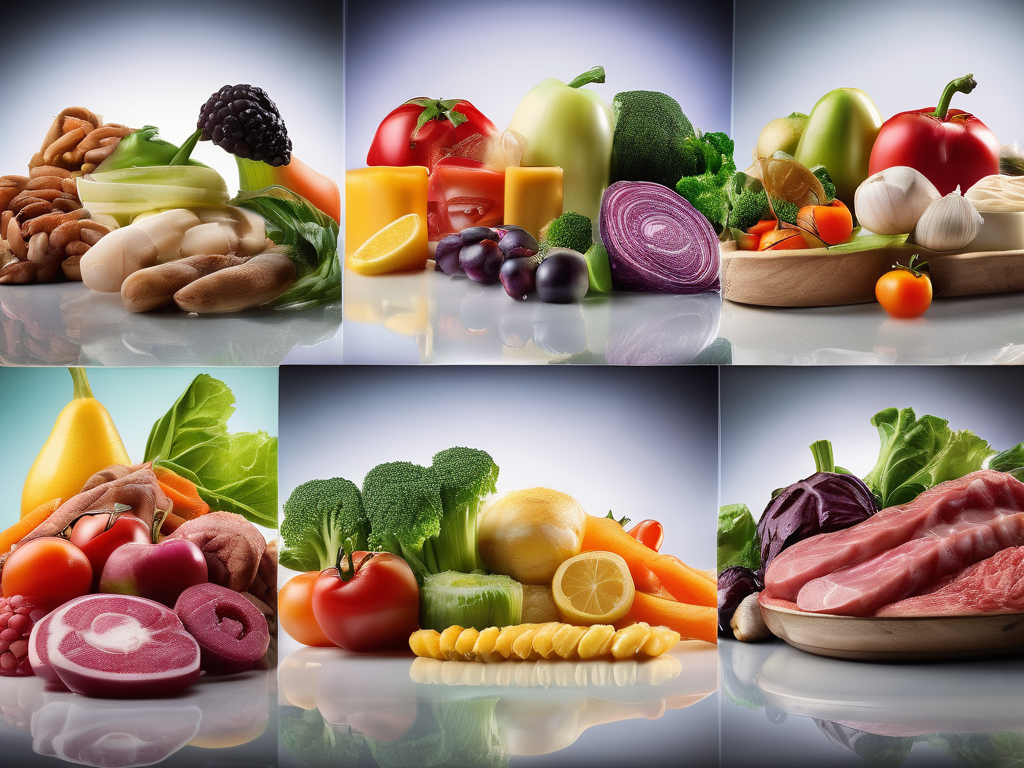
How Long Can You Eat Salad After the Expiration Date?
How Long Can You Eat Salad After the Expiration Date?
Introduction
When it comes to consuming food past its expiration date, many people are unsure about the safety of doing so. Salad, being a perishable item, raises concerns about its freshness and potential risks if consumed after the expiration date. In this blog post, we will delve into the topic of how long you can eat salad after the expiration date, addressing safety considerations, storage tips, and practical advice for maintaining food safety.
Understanding Salad Expiration Dates
What Does the Expiration Date Mean?
- The expiration date on packaged salad products indicates the date until which the manufacturer guarantees the product's quality and freshness.
- It is important to note that the expiration date is not a strict deadline but rather a guideline for optimal quality.
Difference Between "Use By" and "Sell By" Dates
- "Use By" date: This date is recommended for the best quality and taste of the product. Consuming the salad after this date may can increase the likelihood of a decline in quality.
- "Sell By" date: This date is provided to retailers for inventory management. It is not directly related to the safety or freshness of the product.
Can You Eat Salad After the Expiration Date?
Factors to Consider
- Type of Salad: Different types of salads have varying shelf lives. Leafy greens may wilt faster compared to heartier salads with dressings.
- Storage Conditions: Proper storage plays a crucial role in extending the shelf life of salad. Refrigeration is key to maintaining freshness.
- Appearance and Smell: Visual inspection and odor can help determine if the salad is safe to consume.
Safety Guidelines
- It is generally safe to consume salad a few days after the expiration date if it appears fresh, has no off-putting smell, and has been stored correctly.
- If the salad shows signs of spoilage such as mold, sliminess, or an unpleasant odor, it is best to discard it.
common situation
Imagine you're at a family gathering, and your aunt proudly presents a delicious-looking salad she prepared. You notice the salad container has a "Use By" date from three days ago. You might wonder, “Is it safe to eat this?” or should you graciously decline? Many people encounter similar situations.
In a different situation, picture yourself on a busy weeknight, exhausted after work, and you decide to have a quick salad for dinner. You're rummaging through the fridge and find a bag of mixed greens that expired yesterday. Do you eat it or toss it?
Seafood is highly perishable and requires consistent cold storage. A refrigerator thermometer (Amazon) helps ensure your refrigerator maintains safe temperatures (40°F or below) to prevent spoilage.
Another common situation involves a picnic with friends where someone brings a store-bought salad that looks appetizing but is a day past its expiration date. Should you partake in the fun or play it safe? It's a common dilemma—one that requires a careful evaluation of freshness.
These situations reflect common dilemmas that many individuals face when navigating food safety guidelines. Understanding how to evaluate freshness can ease these concerns.
Scientific Context
Salads often contain a combination of vegetables, each with varying shelf lives. Leafy greens are particularly sensitive to spoilage due to their high moisture content, which creates an ideal environment for bacteria. Research indicates that certain types of bacteria, such as E. coli and Salmonella, can thrive in greens that are not stored properly.
Proper packaging is crucial when freezing seafood. Using freezer-safe storage bags (Amazon) helps preserve texture, prevent freezer burn, and maintain quality during storage.
Moreover, antioxidants found in fresh vegetables can degrade over time, reducing their nutritional value. For instance, the vitamin C content in leafy greens diminishes quickly, especially when exposed to light and air. This means that not only could you be risking your health if you consume spoiled salad, but you might also be missing out on the nutrients you intended to gain.
Additionally, the presence of moisture can lead to the growth of mold, which can be harmful if ingested. Bacteria can double in number every 20 minutes at room temperature, which underscores the importance of proper storage and consumption timelines. Being aware of the science behind salad spoilage can help you make informed choices about what you eat.
Tips for Extending Salad Shelf Life
Proper Storage
- Store salad in the refrigerator at temperatures below 40°F (4°C).
- Keep salad in airtight containers or resealable bags to maintain freshness.
- Avoid storing salad near ethylene-producing fruits like apples and bananas, as they can cause the greens to wilt faster.
Reviving Wilted Salad
- Soaking wilted greens in ice water for a few minutes can help revive their crispness.
- Adding a splash of lemon juice or vinegar to the salad can also enhance its flavor and texture.
Common Mistakes
Many people don’t realize that washing salad greens before storing them can introduce moisture, leading to faster spoilage. It’s best to wash greens right before you plan to eat them. Another common mistake is ignoring the condition of salad ingredients. Just because the salad mix looks okay doesn’t mean the individual components are all fresh. Always examine each ingredient.
Another mistake is overpacking your salad storage container. If greens are crammed too tightly, they can bruise and cause quicker deterioration. Spreading them out in a larger container can help maintain their crispness.
Expert Insights
Food safety experts recommend that if you’re ever in doubt about the safety of your salad, it's better to err on the side of caution. According to USDA guidelines, if you notice any signs of spoilage, including discoloration, off-smells, or unusual textures, it’s best not to consume the salad.
Another tip from food safety professionals is to keep a close eye on “sell by” and “use by” dates when grocery shopping. Planning your meals around these dates can help you avoid wasting food. Many people don’t realize that the dates on products are designed to help consumers manage their purchases effectively.
Additionally, experts suggest that you familiarize yourself with the common types of salads you consume. Knowing the average shelf life of different greens can help you make better decisions about when to consume them.
Practical Tips for Salad Lovers
- Buy What You Need: Assess how much salad you realistically consume in a week. This will help keep your purchases fresh and reduce waste.
- Use Salad Keepers: There are specialized containers designed to keep salad greens fresher for longer. These containers usually have a built-in mechanism to absorb excess moisture.
- Make Your Own Salad Kit: Preparing your own salad kit can ensure you have a fresh salad on hand. Chop your desired ingredients and pack them separately in airtight containers. Combine them with dressing only when you're ready to eat.
Planning Ahead
Making meal prep a habit can help extend the life of your salads. Prepping your ingredients in advance not only saves time during the week but also ensures that you're using fresh produce while it's still at its peak.
Seasonal Adjustments
Consider adjusting your salad ingredients based on the seasons. Local, seasonal produce is usually fresher, more flavorful, and has a longer shelf life compared to out-of-season varieties that may have traveled long distances. This can also help you save money and reduce your carbon footprint.
Safety Warnings
Always remember that salads can be a breeding ground for bacteria if not handled properly. Wash your hands before preparing food and ensure that all utensils and cutting boards are clean. If you’ve left your salad out at room temperature for more than two hours, discard it. This rule is crucial as bacteria can multiply rapidly at these temperatures.
Furthermore, be cautious about purchasing pre-packaged salads. While convenient, they often come with a shorter shelf life and require careful examination of labels and dates before consumption. Pay special attention to any signs of damage to packaging, as this may compromise the contents' safety.
Conclusion
In conclusion, while it is possible to consume salad after the expiration date, it is crucial to exercise caution and rely on visual and sensory cues to assess its freshness. By understanding the nuances of salad expiration dates, practicing proper storage techniques, and following safety guidelines, you can enjoy your salad safely even after the expiration date. Remember, when in doubt, it is always better to err on the side of caution and discard the salad if it shows any signs of spoilage.
Stay informed, stay safe, and savor your salads responsibly. By incorporating these tips and insights into your routine, you can enjoy fresh and delicious salads while minimizing waste and maximizing your health.
Authoritative Food Safety References
These agencies and university labs inform every tip and health precaution we publish.
USDA FoodKeeper – Cold Storage Guidelines
Official refrigerator, freezer, and pantry timelines maintained by the U.S. Department of Agriculture.
Visit USDA FoodKeeperFDA Produce Safety Rule & Grower Guidance
Field-to-fridge handling practices that prevent contamination of fruits, vegetables, and leafy greens.
Visit FDA Produce SafetyCDC Foodborne Illness Prevention Hub
Surveillance-backed guidance on pathogens, symptoms, and steps to reduce foodborne illness risk.
Visit CDC Food SafetyUC Davis Postharvest Technology Center
University research detailing optimal storage atmospheres for produce after harvest.
Visit UC Davis PostharvestPenn State Extension – Home Food Preservation & Safety
Peer-reviewed extension bulletins on safe canning, chilling, and reheating practices.
Visit Penn State ExtensionFrequently Asked Questions
Can I eat salad after the expiration date?
How long is salad safe to eat after the expiration date?
How can I extend the shelf life of salad?
What are the signs that salad has gone bad?
Can I freeze salad to prolong its shelf life?
Citations
Disclosure: As an Amazon Associate, we earn from qualifying purchases. This helps support our site and allows us to continue providing free food safety information.