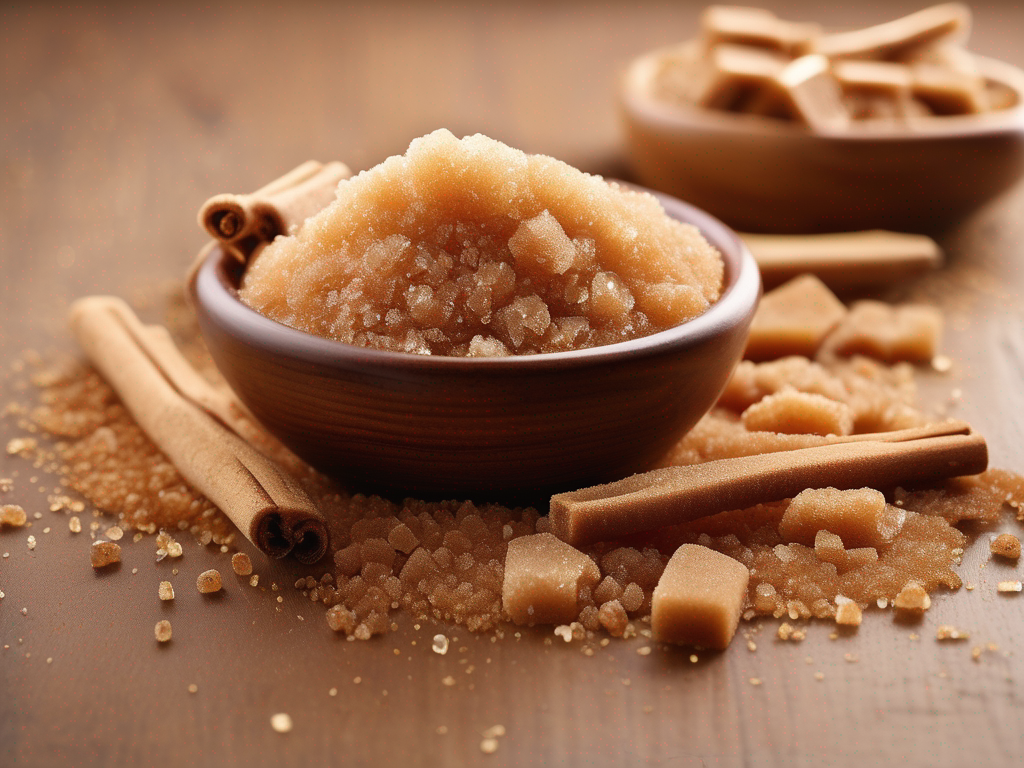
How Long Does Brown Sugar Last After the Expiration Date?
CanIEatExpired.com Team
# How Long Does Brown Sugar Last After the Expiration Date?

Brown sugar is a versatile ingredient used in various baking recipes, adding a rich and sweet flavor to dishes. However, like many pantry staples, brown sugar can lose its quality over time. In this blog post, we will explore the shelf life of brown sugar, how to tell if it has gone bad, and practical tips for storing it properly. ([Brown sugar](https://canieatexpired.com/food/brown-sugar))

## Understanding the Shelf Life of Brown Sugar

Brown sugar typically has a long shelf life, thanks to its high sugar content, which acts as a natural preservative. When stored correctly, brown sugar can last for an extended period. However, it is essential to pay attention to its expiration date and storage conditions to ensure its quality and safety.

### Factors Affecting the Shelf Life of Brown Sugar

Several factors can impact the shelf life of brown sugar, including:

1. **Moisture**: Brown sugar has a tendency to harden when exposed to moisture, affecting its texture and quality.
2. **Air exposure**: Exposure to air can cause brown sugar to dry out and form lumps, making it challenging to use.
3. **Temperature**: Storing brown sugar in fluctuating temperatures can lead to changes in texture and flavor over time.

## How to Tell if Brown Sugar Has Gone Bad

While brown sugar does not spoil in the same way as perishable foods, it can lose its quality over time. Here are some signs that your brown sugar may have gone bad:

### Signs of Spoiled Brown Sugar

1. **Hardening**: If the brown sugar has hardened into a solid mass, it may be challenging to break apart and use in recipes.
2. **Mold**: Visible mold growth on the surface of the brown sugar indicates that it is no longer safe to consume.
3. **Off smell or taste**: Rancid or off-flavors and odors are signs that the brown sugar has deteriorated.

## common situation

It's not uncommon to have a bag of brown sugar lingering in the pantry, especially if you don't bake frequently. Consider this relatable situation: Anna, an amateur baker, decides to whip up a batch of her grandmother's famous chocolate chip cookies. She reaches for her brown sugar only to find it has turned into an impenetrable block. After a bit of effort, she manages to soften it with a damp paper towel and some microwaving. However, Anna wonders, "Is it still safe to use, or should I toss it out?"

Then there's Josh, who loves to experiment with flavors. He finds an old bag of brown sugar in the back of his cupboard while reaching for some spices. He recalls making BBQ sauce months ago and wonders if the brown sugar can still enhance his next creation. Uncertain, he checks for hardening and any strange smells before deciding to use it, confident that it’s still good.

Similarly, consider Linda, who runs a small bakery. One day, she discovers that the brown sugar she thought she had just purchased has been hiding in the back of her pantry for a while. Initially panicked, she quickly assesses the sugar for any signs of spoilage. After checking for lumps, she decides to use it in her next batch of caramel sauce, proving that even professional bakers need to be mindful of their ingredients.

Many home cooks can relate to these moments, where the fate of a staple ingredient rests on its condition. Knowing how to assess your brown sugar can help you make better decisions in the kitchen!

## Proper Storage Tips for Brown Sugar

To ensure the longevity and quality of your brown sugar, follow these practical storage tips:

### Storing Brown Sugar in the Pantry

1. **Airtight container**: Transfer brown sugar to an airtight container to prevent exposure to air and moisture.
2. **Cool, dark place**: Store brown sugar in a cool, dark pantry to maintain its quality.
3. **Brown sugar bear**: Consider using a brown sugar bear or terracotta disc to keep brown sugar soft and prevent hardening.

### Storing Brown Sugar in the Freezer

1. **Freezer-safe container**: If you want to extend the shelf life of brown sugar, consider storing it in a freezer-safe container.
2. **Thawing**: Allow frozen brown sugar to thaw at room temperature before using it in recipes.

## Common Mistakes People Make with Brown Sugar

One of the most common mistakes people make is not sealing their brown sugar properly after opening it. This can lead to hardening and a frustrating baking experience where you might have to resort to using granulated sugar instead. Additionally, some people confuse the texture of brown sugar with that of white sugar, overlooking the fact that brown sugar contains molasses which gives it its moisture.

Another common error is assuming that brown sugar has an indefinite shelf life because it’s a sugar product. While it may not spoil, its quality can deteriorate. Many people don’t realize that freshness is key to achieving the desired can increase the likelihood of recipes, especially in baked goods.

Some people also mistakenly use brown sugar that has absorbed odors from other foods in the pantry, thinking it’s still good. This can lead to an undesirable flavor in your baked goods. Make sure to store it away from strong-smelling foods to maintain its natural sweetness.

## Scientific Context: Understanding Sugar Preservation

From a scientific standpoint, sugar acts as a preservative due to its low moisture content and high osmotic pressure. This means that sugar effectively draws moisture away from microorganisms, preventing them from growing and causing food spoilage. Brown sugar, specifically, contains molasses, which adds moisture but can also contribute to its potential for spoilage if not stored properly.

When stored in a dry environment, brown sugar can last for years. However, once it hardens, the texture changes, and it may not perform as well in recipes. Keeping it in an airtight container mitigates this risk, allowing you to maintain the sugar's natural moisture and prolong its usability.

### The Role of Humidity

The humidity level in your kitchen can significantly impact brown sugar. In a high-humidity environment, brown sugar can clump and harden more quickly. This is because the moisture in the air can be absorbed by the sugar, causing it to stick together. Conversely, in a very dry environment, it can dry out and become hard. This makes proper storage even more crucial, as managing moisture exposure can mean the difference between soft, usable brown sugar and a rock-hard lump.

## Practical Tips for Keeping Brown Sugar Fresh

1. **Use a slice of bread**: If your brown sugar does harden, placing a slice of bread in the container can help restore moisture. The sugar will absorb the moisture from the bread over time, softening it up again.

2. **Microwave trick**: If you're in a hurry, place a small amount of brown sugar in a microwave-safe bowl, cover it with a damp paper towel, and heat it for about 10 seconds. This can help break apart any hard clumps.

3. **Choose the right container**: Glass jars with tight-fitting lids work great for brown sugar storage, as they help maintain moisture levels. Avoid using plastic bags unless you can seal them tightly.

4. **Frequent checks**: Regularly check your brown sugar for any signs of hardening, especially if you've had it stored for a while. This proactive approach can help you catch any changes early.

5. **Label and date**: If you transfer brown sugar into a new container, consider labeling it with the date you purchased it. This way, you can easily keep track of how long it has been in storage.

## Safety Warnings

While brown sugar can last past its expiration date, it’s crucial to prioritize safety. If you notice any signs of mold, off smells, or unusual colors, it’s best to err on the side of caution and discard it. Mold can produce mycotoxins, which may pose health risks if consumed. Also, ensure that your hands and any utensils used are clean when handling stored brown sugar to prevent contamination.

## Expert Insights

Food safety experts recommend routinely checking your pantry items, and brown sugar should be no exception. Make it a habit to do a quick pantry audit every few months. This not only helps you keep track of expiration dates but also allows you to rearrange your pantry for better organization.

Additionally, when purchasing brown sugar, consider the packaging. If possible, opt for bags that have resealable zip closures. Lastly, when buying in bulk, try to store smaller portions in separate containers to minimize air exposure to the main stash.

### Nutritional Considerations

While brown sugar is primarily a sweetener, it does contain some trace minerals due to the molasses content, including calcium, potassium, and iron. However, these nutrients are present in very small amounts, so it's best to view brown sugar primarily as a source of sweetness rather than a significant source of nutrition. Moderation is key, especially in recipes, where some may rely heavily on sugar for flavor.

## Conclusion

In conclusion, brown sugar can last beyond its expiration date if stored properly in a cool, dry place. By following the storage tips mentioned in this blog post, you can ensure that your brown sugar remains fresh and ready to use in your favorite recipes. Remember to check for signs of spoilage and use your best judgment when deciding whether to use brown sugar past its expiration date. [Brown sugar](https://canieatexpired.com/food/brown-sugar) is a versatile ingredient that can enhance the flavor of your dishes, so make sure to keep it fresh for optimal results.

## Related Posts

Here are some other articles you might find helpful:

- [Is it Safe to Eat Expired Brown Sugar?](/blog/is-it-okay-to-eat-expired-brown-sugar)
- [Can I Eat Expired Marshmallows?](/blog/can-i-eat-expired-marshmallows)
- [The Truth About Sugar Expiration: What You Need to Know](/blog/sugar-expiration)
- [The Truth About Sugar Expiry: What You Need to Know](/blog/sugar-expire)
- [Can You Eat Expired Sugar: A Comprehensive Guide](/blog/can-you-eat-expired-sugar)
Authoritative Food Safety References
These agencies and university labs inform every tip and health precaution we publish.
USDAOfficial guidance
USDA FoodKeeper – Cold Storage Guidelines
Official refrigerator, freezer, and pantry timelines maintained by the U.S. Department of Agriculture.
Visit USDA FoodKeeperFDAOfficial guidance
FDA Produce Safety Rule & Grower Guidance
Field-to-fridge handling practices that prevent contamination of fruits, vegetables, and leafy greens.
Visit FDA Produce SafetyCDCOfficial guidance
CDC Foodborne Illness Prevention Hub
Surveillance-backed guidance on pathogens, symptoms, and steps to reduce foodborne illness risk.
Visit CDC Food SafetyResearchUniversity research
UC Davis Postharvest Technology Center
University research detailing optimal storage atmospheres for produce after harvest.
Visit UC Davis PostharvestResearchUniversity research
Penn State Extension – Home Food Preservation & Safety
Peer-reviewed extension bulletins on safe canning, chilling, and reheating practices.
Visit Penn State Extension❓
Frequently Asked Questions
"Can I still use brown sugar after the expiration date?
"
Answer: Yes, brown sugar can still be used after the expiration date as long as it has been stored properly. Check for any signs of spoilage such as mold or an off smell before using it in your recipes.
"How should I store brown sugar to make it last longer?
"
Answer: To extend the shelf life of brown sugar, store it in an airtight container in a cool, dry place. You can also add a slice of bread or a terra cotta disc to help keep it moist and prevent it from hardening.
"What are the signs that brown sugar has gone bad?
"
Answer: Signs that brown sugar has gone bad include mold growth, an off smell, or a change in texture. If you notice any of these signs, it is best to discard the brown sugar to avoid any potential food safety risks.
"Can I freeze brown sugar to make it last longer?
"
Answer: Yes, you can freeze brown sugar to extend its shelf life. Make sure to store it in an airtight container or resealable bag to prevent moisture from getting in and causing the sugar to clump together. Allow it to come to room temperature before using it in your recipes.
📚
Citations
Disclosure: As an Amazon Associate, we earn from qualifying purchases. This helps support our site and allows us to continue providing free food safety information.
Our articles are created using a combination of AI assistance and human review. All food safety information is based on USDA guidelines and credible sources. Learn more about our review process here.