Is it Safe to Eat Expired Brown Sugar?
CanIEatExpired.com Team
# Is it Safe to Eat Expired Brown Sugar?

In every kitchen, there's a high chance of finding a bag of brown sugar tucked away in a pantry or cupboard. This versatile sweetener adds depth and flavor to various dishes, from baked goods to savory sauces. But what happens when you realize that your brown sugar has passed its expiration date? Is it still safe to use? Let's delve into the world of brown sugar, its shelf life, and whether it's okay to eat expired brown sugar. ([Brown sugar](https://canieatexpired.com/food/brown-sugar))

## Understanding Brown Sugar

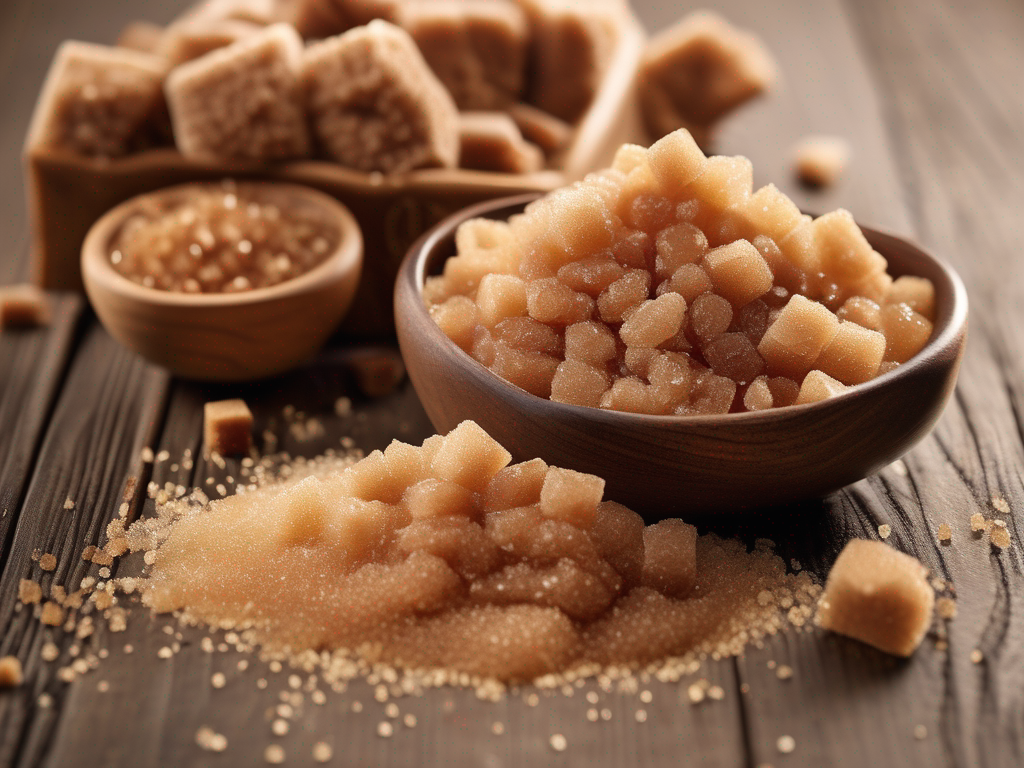
Brown sugar is a popular sweetener made from white sugar combined with molasses. This combination gives brown sugar its distinctive color, flavor, and moist texture. There are two main types of brown sugar: light brown sugar and dark brown sugar. Light brown sugar has a milder flavor, while dark brown sugar has a more robust taste due to a higher molasses content.

Brown sugar is a pantry staple for many home cooks and professional chefs alike. Its versatility makes it an essential ingredient in a wide range of recipes, including cookies, cakes, marinades, and glazes.

### Shelf Life of Brown Sugar

Brown sugar, like most pantry staples, has a relatively long shelf life if stored properly. When stored in an airtight container in a cool, dry place, brown sugar can last for an extended period. However, over time, brown sugar can lose its moisture content and may harden into solid clumps. This is due to the evaporation of water in the sugar, causing it to crystallize.

To prevent brown sugar from hardening, many people store it with a slice of bread or a damp paper towel to maintain its moisture content. Alternatively, specialized brown sugar savers or terra cotta brown sugar bears can help keep brown sugar soft and clump-free.

### Can You Eat Expired Brown Sugar?

So, what happens when your brown sugar reaches its expiration date? Is it safe to eat expired brown sugar, or should you toss it out? Here are some considerations to keep in mind:

1. **Expiration Dates:** The expiration date on brown sugar packages is more of a guideline than a strict rule. Brown sugar doesn't spoil or become harmful to consume after the expiration date. Instead, the date indicates when the sugar may begin to lose its quality, flavor, and texture.

2. **Quality Check:** Before using expired brown sugar, perform a visual and sensory check. If the brown sugar appears moldy, has an off smell, or has an unusual texture, it's best to discard it.

3. **Texture:** If your brown sugar has hardened, it doesn't necessarily mean it's gone bad. You can revive hardened brown sugar by placing it in a microwave-safe bowl with a damp paper towel on top and microwaving it in short intervals until it softens.

4. **Flavor:** Over time, brown sugar may lose some of its flavor intensity. If your expired brown sugar tastes stale or lacks the usual molasses notes, it may be time to replace it.

5. **Safety Considerations:** Generally, eating a small amount of expired brown sugar that shows no signs of spoilage is unlikely to cause harm. However, if in doubt or if the sugar shows any signs of deterioration, it's best to err on the side of caution and discard it.

## common situation

Imagine this: You’re planning to bake a batch of your favorite chocolate chip cookies for a family gathering. You gather all the ingredients, only to discover that the brown sugar in your pantry has expired. You hesitate, knowing your cookies won’t taste the same without that rich, caramel flavor. You decide to inspect the sugar. It looks fine—no mold, no strange odors, just a bit hard. You quickly revive it using the microwave method mentioned earlier, and the cookies turn out delicious!

In another situation, a busy mom finds an old bag of brown sugar while cleaning her pantry. She recalls using it for special occasions and wonders if it’s still good. After checking for signs of spoilage, she decides to taste a small bit. It’s not as flavorful as she remembers, but it’s still usable for a batch of oatmeal cookies, which the kids love.

These examples highlight how common it is to find expired brown sugar and how, with a little care and inspection, it can still be salvaged for cooking and baking.

## Nutritional Context

Brown sugar is often viewed as a slightly healthier alternative to white sugar because of its molasses content, which provides some minerals like calcium, potassium, and iron. However, it’s important to note that the nutritional differences between brown and white sugar are minimal. Both should be consumed in moderation as part of a balanced diet.

### Practical Tips for Using Brown Sugar

- **Measure Accurately:** When a recipe calls for brown sugar, it’s typically referring to packed brown sugar. Ensure you pack the sugar into the measuring cup for accurate results.

- **Experiment with Substitutions:** If your brown sugar is expired and doesn't taste fresh, you can substitute it with a mixture of white sugar and molasses. For every cup of brown sugar, mix 1 cup of white sugar with 1 tablespoon of molasses for light brown sugar or 2 tablespoons for dark brown sugar.

- **Store Brown Sugar in the Right Container:** A good airtight container can make all the difference. Glass jars with secure lids or plastic containers that seal tightly are great options.

### Common Mistakes

Many people believe that brown sugar can last indefinitely, but this isn’t true. While it doesn’t spoil in the traditional sense, its quality can deteriorate over time. Another common mistake is storing brown sugar in the original bag without any additional protection. This can lead to hardening and clumping. Always transfer to an airtight container!

## Expert Insights

Food safety experts emphasize the importance of sensory evaluation when it comes to assessing expired foods. Food safety guidance from public health agencies, a food scientist, suggests that using your senses—sight, smell, and taste—can help you determine the quality of your brown sugar. “If it looks good, smells fine, and tastes alright, it’s likely safe to use. Just remember that while it may not be harmful, the flavor profile could change.”

### Storage Methods

To prolong the shelf life of your brown sugar and ensure it remains fresh and flavorful, follow these storage tips:

- Store brown sugar in an airtight container to prevent moisture loss and exposure to air.
- Keep brown sugar in a cool, dry place away from direct sunlight and heat sources.
- Add a slice of bread or a damp paper towel to the container to maintain moisture and prevent hardening.
- Consider using specialized brown sugar storage products like terra cotta brown sugar bears or airtight containers with built-in moisture control.

## Safety Warnings

While brown sugar can generally be used past its expiration date if it shows no signs of spoilage, be cautious if you notice any changes. If your sugar has developed a hard crust or has turned a strange color, it’s best to err on the side of caution and throw it away. It's also wise to ensure that your brown sugar is stored properly to minimize risks of contamination from other pantry items.

## Conclusion

In conclusion, eating expired brown sugar is generally safe as long as the sugar shows no signs of spoilage. While the quality and flavor of brown sugar may diminish over time, it is unlikely to pose a health risk if consumed past its expiration date. Proper storage techniques can help maintain the freshness and texture of brown sugar, ensuring that it remains a staple ingredient in your kitchen for longer periods.

Remember to use your judgment and sensory cues when determining the quality of expired brown sugar. When in doubt, it's best to discard the sugar and replace it with a fresh batch to ensure optimal flavor and performance in your culinary creations. ([Brown sugar](https://canieatexpired.com/food/brown-sugar))

## Related Posts

Here are some other articles you might find helpful:

- [Can I Eat Expired Marshmallows?](/blog/can-i-eat-expired-marshmallows)
- [The Truth About Sugar Expiration: What You Need to Know](/blog/sugar-expiration)
- [The Truth About Sugar Expiry: What You Need to Know](/blog/sugar-expire)
- [Can You Eat Expired Sugar: A Comprehensive Guide](/blog/can-you-eat-expired-sugar)
- [How Long is Brown Sugar Good for After the Expiration Date?](/blog/how-long-is-brown-sugar-good-for-after-expiration-date)
Authoritative Food Safety References
These agencies and university labs inform every tip and health precaution we publish.
USDAOfficial guidance
USDA FoodKeeper – Cold Storage Guidelines
Official refrigerator, freezer, and pantry timelines maintained by the U.S. Department of Agriculture.
Visit USDA FoodKeeperFDAOfficial guidance
FDA Produce Safety Rule & Grower Guidance
Field-to-fridge handling practices that prevent contamination of fruits, vegetables, and leafy greens.
Visit FDA Produce SafetyCDCOfficial guidance
CDC Foodborne Illness Prevention Hub
Surveillance-backed guidance on pathogens, symptoms, and steps to reduce foodborne illness risk.
Visit CDC Food SafetyResearchUniversity research
UC Davis Postharvest Technology Center
University research detailing optimal storage atmospheres for produce after harvest.
Visit UC Davis PostharvestResearchUniversity research
Penn State Extension – Home Food Preservation & Safety
Peer-reviewed extension bulletins on safe canning, chilling, and reheating practices.
Visit Penn State ExtensionDisclosure: As an Amazon Associate, we earn from qualifying purchases. This helps support our site and allows us to continue providing free food safety information.
Our articles are created using a combination of AI assistance and human review. All food safety information is based on USDA guidelines and credible sources. Learn more about our review process here.