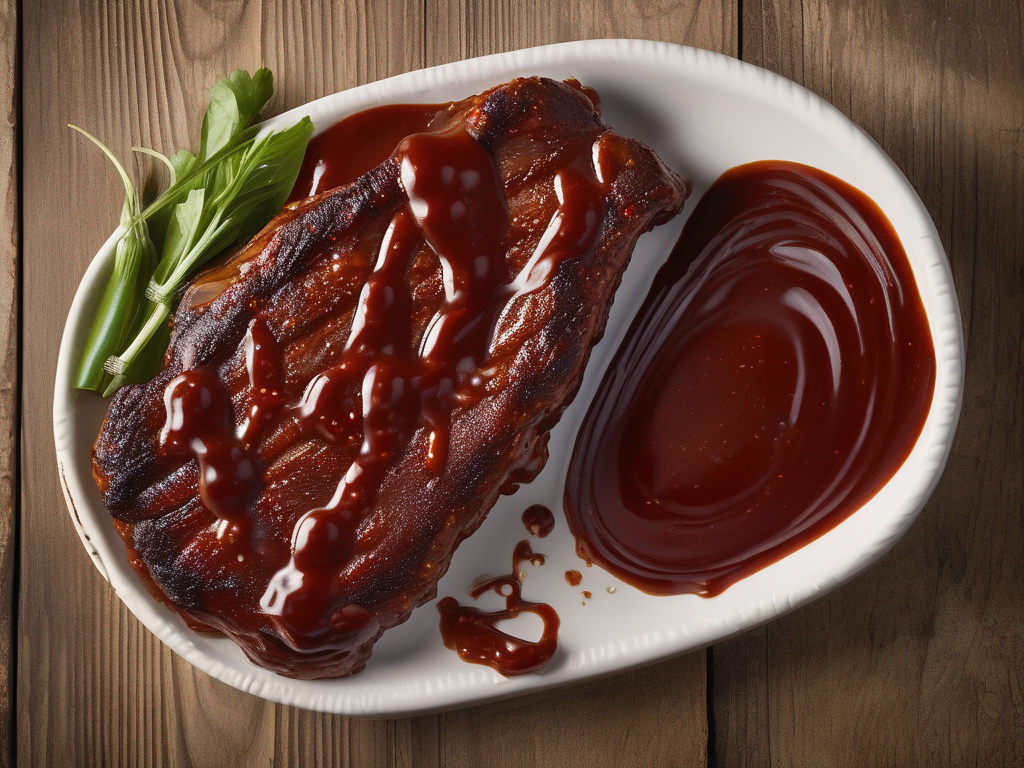
How Long Does BBQ Sauce Last in the Refrigerator?
CanIEatExpired.com Team
# How Long Does BBQ Sauce Last in the Refrigerator?

BBQ sauce is a popular condiment that adds flavor and depth to a variety of dishes, from grilled meats to sandwiches and even as a dipping sauce. Whether you make your own BBQ sauce or buy it from the store, it's important to store it properly to ensure its freshness and safety. In this blog post, we will explore how long BBQ sauce lasts in the refrigerator, storage tips, and how to tell if it has gone bad. ([Bbq sauce](https://canieatexpired.com/food/bbq-sauce))

## Factors Affecting the Shelf Life of BBQ Sauce

Several factors can affect the shelf life of BBQ sauce, including:

### Ingredients
- The ingredients used in the BBQ sauce can impact how long it lasts. Homemade BBQ sauce with fresh ingredients may not last as long as store-bought sauces with added preservatives.

### Storage Conditions
- Proper storage is essential for prolonging the shelf life of BBQ sauce. Storing it in the refrigerator at the right temperature can help prevent spoilage.

### Contamination
- Contamination can occur if you use a dirty utensil to scoop out the sauce, introducing bacteria that can cause it to spoil faster.

## How Long Does BBQ Sauce Last in the Refrigerator?

BBQ sauce typically lasts for:

- **Store-bought BBQ sauce**: Unopened store-bought BBQ sauce can last for up to 1 year in the pantry. Once opened, it can last for 6-12 months in the refrigerator.
- **Homemade BBQ sauce**: Homemade BBQ sauce can last for 1-2 weeks in the refrigerator if stored properly.

## Signs Your BBQ Sauce Has Gone Bad

It's essential to check your BBQ sauce for signs of spoilage before consuming it. Some indicators that your BBQ sauce has gone bad include:

### Mold Growth
- If you see any mold growth on the surface of the BBQ sauce, discard it immediately.

### Off Odor
- A foul or rancid smell coming from the BBQ sauce is a sign that it has spoiled.

### Changes in Texture
- If the BBQ sauce has become clumpy, slimy, or separated, it is no longer safe to eat.

## Tips for Storing BBQ Sauce

To ensure your BBQ sauce stays fresh for as long as possible, follow these storage tips:

1. **Refrigerate Promptly**: After opening a bottle of BBQ sauce, make sure to refrigerate it promptly to prevent bacterial growth.

2. **Use Clean Utensils**: Always use clean utensils to scoop out the BBQ sauce to avoid contamination.

3. **Seal Properly**: Ensure the BBQ sauce bottle is tightly sealed after each use to prevent air exposure.

4. **Label and Date**: If you transfer the BBQ sauce to a different container, label it with the date it was opened to track its freshness.

5. **Keep Away from Heat**: Store BBQ sauce away from direct sunlight and heat sources to maintain its quality.

## common situation with BBQ Sauce

Let me share a couple of relatable situation where understanding the shelf life of BBQ sauce can make a difference:

### The Family BBQ
Imagine it's a hot summer day, and you’re hosting a family BBQ. You've got marinated meats, veggies ready to grill, and an array of sauces, including your homemade BBQ sauce. As the day winds down, you spot an unopened bottle of store-bought BBQ sauce tucked in the back of your fridge. You remember it’s been there for a while. Rather than risking an upset stomach, you check the label: it’s past the date, but does it mean it’s bad? This is where knowing how to assess the sauce's quality comes in handy!

### The Late-night Snack
Picture this: It’s late, and you’re craving a midnight snack. You whip up some chicken nuggets and pour on the BBQ sauce that you stashed in the fridge weeks ago. As you taste it, you notice something off—maybe a strange smell or an unusual texture. You realize you should have checked for spoilage first! If only you had labeled the bottle when you first opened it.

### The Last-Minute Dinner
Common situations include weeknight where you've planned a quick dinner. You decide to use that half-opened bottle of BBQ sauce to spice up some frozen chicken. However, when you reach for it, you remember that you had left it out on the counter for a couple of hours after the last use. You pause, wondering if that time at room temperature could have affected it. This moment emphasizes the significance of proper storage practices!

These situations highlight the importance of understanding BBQ sauce storage and freshness—ensuring safe and enjoyable meals.

## Scientific Context of BBQ Sauce Shelf Life

Understanding what affects the shelf life of BBQ sauce is rooted in food science. BBQ sauces are typically high in acidity due to ingredients like vinegar and tomatoes, which can help inhibit bacterial growth. The pH level of a sauce is critical; a lower pH (more acidic) creates a hostile environment for spoilage organisms. For instance, vinegar, a common ingredient, has natural preservative qualities due to its ability to lower pH.

Preservatives found in commercial sauces, such as sodium benzoate, also play a role in extending shelf life. However, even with these preservatives, homemade sauces can harbor bacteria if not handled correctly, as they may lack the same level of acidity. Bacteria thrive in conditions where moisture, warmth, and nutrients exist, which is why homemade sauces, often rich in sugar and moisture, can spoil quickly if not stored properly.

Furthermore, high temperatures can cause some ingredients in the sauce to break down or alter in flavor, leading to spoilage. Thus, storing BBQ sauce in a cool, dark place extends its usability.

## Common Mistakes in BBQ Sauce Storage

Many people don’t realize how easy it is to mishandle BBQ sauce, leading to faster spoilage. Here are some common mistakes to avoid:

- **Leaving it Out**: After using BBQ sauce, some might leave it out on the counter instead of putting it back in the refrigerator. This can significantly shorten its shelf life.

- **Using Contaminated Utensils**: Using utensils that have touched raw meat to scoop out BBQ sauce is a big no-no. This can introduce harmful bacteria into the sauce.

- **Ignoring Expiration Dates**: Some people think that as long as the BBQ sauce looks and smells fine, it’s safe to eat. Always check for any signs of spoilage, even if the expiration date hasn’t passed.

- **Not Storing Properly After Opening**: Many are unaware that the differences in ingredients between store-bought and homemade sauces affect how they should be stored after opening. For instance, homemade sauces may need more stringent storage conditions compared to their commercial counterparts.

## Practical Tips for Freshness

To get the most out of your BBQ sauce, try these practical tips:

- **Freeze for Longer Storage**: If you have a large batch of leftover homemade BBQ sauce, consider freezing it in ice cube trays. Once frozen, transfer the cubes to a freezer-safe bag. This way, you can thaw just the amount you need later.

- **Experiment with Ingredients**: If you often deal with leftover BBQ sauce, try adding it to marinades or glazes for other dishes. This not only uses up the sauce but also enhances the flavor of your meals.

- **Choose Your Bottle Wisely**: If you're making your own BBQ sauce, consider using glass jars over plastic containers for storage. Glass can be more airtight and doesn’t leach chemicals like some plastics can.

- **Add Fresh Ingredients for Flavor**: If you find your store-bought BBQ sauce is nearing its expiration date, consider adding fresh herbs or spices to refresh its flavor. Just make sure to refrigerate it promptly after doing so!

## Expert Insights on BBQ Sauce Safety

As a food safety expert, I can’t stress enough the importance of practicing good food safety habits. Always err on the side of caution. When in doubt, throw it out! If your BBQ sauce has an off smell, strange color, or mold, it’s best to dispose of it rather than risk foodborne illness.

Additionally, training yourself to check your refrigerator regularly for items nearing their expiration dates can help prevent waste and ensure you’re always consuming safe products. Moreover, consider having a designated shelf or area for condiments that need to be consumed sooner, making it easier to keep track.

## Storage Methods for BBQ Sauce

When it comes to storing BBQ sauce, there are several effective methods to consider:

### Original Packaging
- Store-bought BBQ sauces usually come in airtight bottles designed to maintain freshness. Keep them in their original packaging and store in the refrigerator after opening.

### Glass Jars
- If you're making your own BBQ sauce, consider transferring it into clean glass jars. This allows for better sealing and reduces the risk of contamination.

### Portion Control
- For homemade sauces, divide larger batches into smaller portions for easier thawing and use. This way, you can avoid repeated exposure to air and contaminants by only opening what you need.

### Airtight Containers
- Use high-quality airtight containers to limit air exposure. Vacuum-sealed bags can also be a great option for longer storage periods.

## Safety Warnings

- **Always Check for Signs of Spoilage**: Even if the BBQ sauce is still within its expiration date, always inspect for any unusual changes in smell, taste, or appearance before consuming.

- **Be Mindful of Allergens**: If you are sharing BBQ sauce with friends or family, be cautious about allergies. Some sauces may contain ingredients like nuts or gluten, so always read labels carefully.

- **Don’t Rely Solely on Expiration Dates**: These dates are often just guidelines. Use your senses to determine whether or not a product is still good to consume.

## Conclusion

In conclusion, BBQ sauce can last for an extended period in the refrigerator if stored properly and checked for signs of spoilage. By following the tips mentioned in this blog post, you can enjoy your favorite BBQ sauce without compromising your health. Remember to always practice food safety guidelines to ensure the longevity and freshness of your condiments. [BBQ sauce](/food/bbq sauce) is a versatile and delicious addition to many dishes, so make sure you handle and store it correctly for the best culinary experience. ([Bbq sauce](https://canieatexpired.com/food/bbq-sauce))

## Related Posts

Here are some other articles you might find helpful:

- [Expert Tips for Extending the Shelf Life of Harissa Paste](/blog/expert-tips-for-extending-the-shelf-life-of-harissa-paste)
- [The Ultimate Guide to Storing Homemade Harissa Paste](/blog/how-to-store-homemade-harissa-paste-for-maximum-freshness)
- [Is it Safe to Use Expired BBQ Sauce for Cooking?](/blog/is-it-safe-to-use-expired-bbq-sauce-for-cooking)
- [What to Do If Your BBQ Sauce Turns Moldy in the Fridge](/blog/what-to-do-if-your-bbq-sauce-turns-moldy-in-the-fridge)
- [The Ultimate Guide to Properly Storing BBQ Sauce](/blog/how-to-properly-store-bbq-sauce-to-prevent-it-from-spoiling)
Authoritative Food Safety References
These agencies and university labs inform every tip and health precaution we publish.
USDAOfficial guidance
USDA FoodKeeper – Cold Storage Guidelines
Official refrigerator, freezer, and pantry timelines maintained by the U.S. Department of Agriculture.
Visit USDA FoodKeeperFDAOfficial guidance
FDA Produce Safety Rule & Grower Guidance
Field-to-fridge handling practices that prevent contamination of fruits, vegetables, and leafy greens.
Visit FDA Produce SafetyCDCOfficial guidance
CDC Foodborne Illness Prevention Hub
Surveillance-backed guidance on pathogens, symptoms, and steps to reduce foodborne illness risk.
Visit CDC Food SafetyResearchUniversity research
UC Davis Postharvest Technology Center
University research detailing optimal storage atmospheres for produce after harvest.
Visit UC Davis PostharvestResearchUniversity research
Penn State Extension – Home Food Preservation & Safety
Peer-reviewed extension bulletins on safe canning, chilling, and reheating practices.
Visit Penn State ExtensionDisclosure: As an Amazon Associate, we earn from qualifying purchases. This helps support our site and allows us to continue providing free food safety information.
Our articles are created using a combination of AI assistance and human review. All food safety information is based on USDA guidelines and credible sources. Learn more about our review process here.