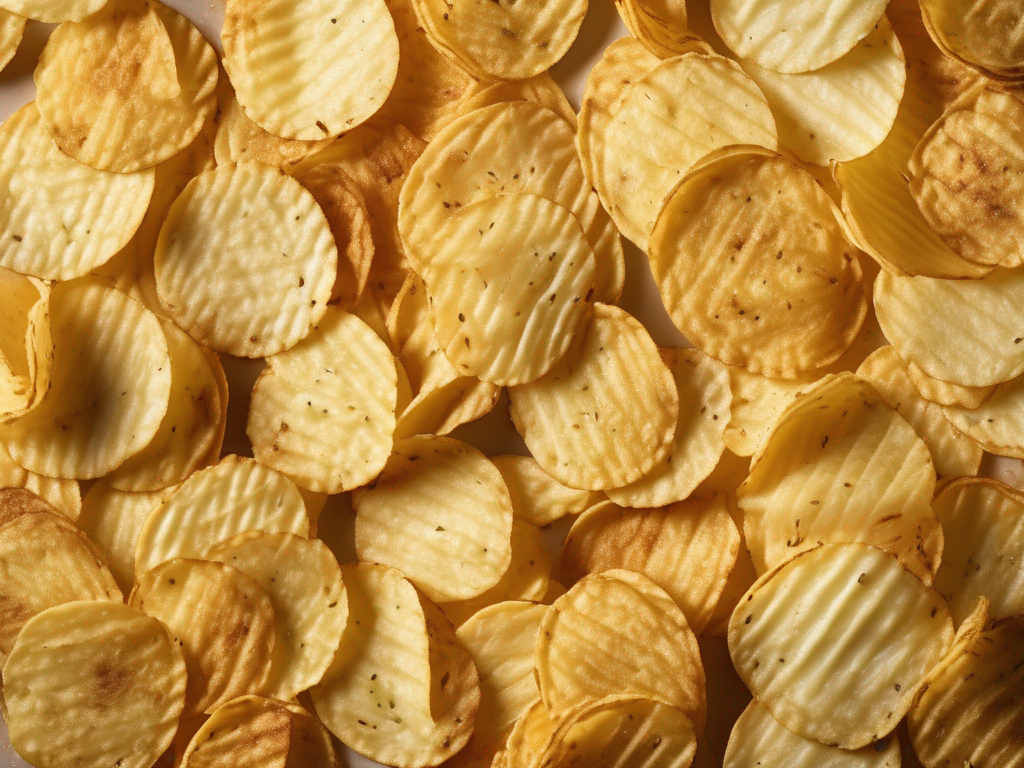
How Long Do Potato Chips Last After the Expiration Date?
How Long Do Potato Chips Last After the Expiration Date?
When it comes to snacking, potato chips are a popular choice for many people. Whether you enjoy them on their own or with your favorite dip, potato chips are a convenient and tasty treat. However, like all food products, potato chips have a limited shelf life. In this blog post, we will explore how long potato chips last after the expiration date, how to properly store them, and important food safety tips to keep in mind. (Potato chips)
Understanding Expiration Dates on Potato Chips
Potato chips typically have a shelf life of several months to a year, depending on the brand and packaging. The expiration date on the package indicates the date until which the chips are expected to remain fresh and retain their quality. It is important to note that the expiration date is not a strict deadline but rather a guideline provided by the manufacturer.
Factors Affecting the Shelf Life of Potato Chips
Several factors can impact the shelf life of potato chips, including:
- Packaging: Chips stored in airtight packaging are less likely to spoil quickly.
- Storage conditions: Exposure to heat, light, and moisture can accelerate the deterioration of potato chips.
- Quality of ingredients: Chips made with fresh, high-quality ingredients tend to have a longer shelf life.
How Long Can You Keep Potato Chips After the Expiration Date?
While it is always best to consume potato chips before the expiration date for optimal freshness and flavor, they can still be safe to eat after the date has passed. Here are some guidelines to help you determine if your potato chips are still good to eat:
Visual Inspection
- Check for mold: Discard any potato chips that show signs of mold growth.
- Inspect for discoloration: Discolored or stale-smelling chips should be discarded.
- Look for signs of rancidity: Rancid chips will have a noticeable off-flavor and should not be consumed.
Taste Test
- Smell the chips: If the chips smell off or stale, they may have gone bad.
- Taste a small piece: If the chips taste rancid or have a strange flavor, it is best to discard them.
Texture Check
- Crunchiness: Stale or soggy chips should be avoided.
Proper Storage Tips for Extending the Shelf Life of Potato Chips
To ensure that your potato chips stay fresh for as long as possible, follow these storage tips:
- Keep them sealed: Store potato chips in their original airtight packaging or transfer them to a resealable container.
- Avoid moisture: Keep chips away from humidity and moisture to prevent them from becoming stale.
- Store in a cool, dark place: Keep potato chips in a cool, dry place away from direct sunlight and heat sources.
- Do not freeze: Freezing potato chips can affect their texture and flavor, so it is best to avoid freezing them.
Food Safety Tips for Consuming Potato Chips
While potato chips are a convenient snack option, it is important to keep food safety in mind to prevent foodborne illnesses. Here are some essential food safety tips for consuming potato chips:
- Wash your hands: Always wash your hands before handling potato chips to prevent contamination.
- Avoid cross-contamination: Use clean utensils and serving dishes to prevent cross-contamination with other foods.
- Check for recalls: Stay informed about any recalls or safety alerts related to potato chips.
- Consume in moderation: While tasty, potato chips are high in salt and fat, so enjoy them in moderation as part of a balanced diet.
common situation
To illustrate how potato chips can cross paths with the expiration date, let’s explore some relatable situation.
Movie Night Mishap
Imagine it's Friday night, and you’ve planned a movie marathon with friends. You’ve stocked up on your favorite snacks, including some bags of potato chips you bought a few months back. As you’re setting up, you realize the expiration date has passed. Instead of panicking, you remember the guidelines about visual inspection. You check the chips for any signs of spoilage. They look fine, smell fresh, and even crunch perfectly. You decide to go ahead and enjoy them, and the movie night becomes a hit! This story highlights how understanding expiration dates can save your movie night snacks.
The Impromptu Picnic
Picture this: you’re on an impromptu picnic with your family, and you grab a bag of potato chips from the pantry. While enjoying the beautiful weather, you notice the expiration date is a couple of weeks past. Your initial instinct might be to toss them, but you remember to use your senses. After a quick inspection and taste test, you find they’re still crispy and enjoyable. Instead of wasting food, you share the chips with your family, emphasizing the importance of being aware of food safety practices during outdoor gatherings.
Late-Night Cravings
Late one night, you’re hit with a craving for something crunchy. You scour the pantry and find a half-eaten bag of potato chips from last month. You check the expiration date and see it’s slightly past the date. You hesitate but remember the guidelines about checking for signs of spoilage. A whiff of the chips reveals a satisfying aroma, and a small taste confirms they’re still good. You dig in guilt-free, making the most of your late-night snack. This situation shows how being informed can enhance your late-night munching experiences.
Scientific Context of Potato Chips
Understanding the science behind potato chips can help you appreciate their shelf life and storage needs. Potato chips are typically made from potatoes, oil, and seasonings. The high fat content from the oil can make them susceptible to rancidity. Rancidity occurs when fats oxidize, which can be accelerated by exposure to air, light, and heat.
To combat this, manufacturers often package chips in foil bags that are vacuum-sealed to minimize exposure to oxygen. The addition of preservatives can also help extend shelf life, but it’s essential to check the ingredients if you are concerned about artificial additives.
Moreover, the Maillard reaction, which occurs during the frying process, contributes to the unique flavor and color of potato chips. This reaction is a type of non-enzymatic browning that enhances the appeal of the chips but also has implications for their shelf life. Understanding these processes can help consumers make informed decisions about their snack choices.
Practical Tips for Handling Potato Chips
To enjoy your potato chips to the fullest while ensuring safety and quality, here are some practical tips:
- Use clean hands or utensils when serving: This helps prevent contamination and keeps the chips fresh longer.
- Consider portion control: Instead of eating directly from the bag, pour a serving into a bowl. This not only helps with portion control but also maintains the integrity of the remaining chips.
- Avoid prolonged exposure to air: If you frequently open a bag but don’t finish it, consider using a bag clip or transferring the chips to an airtight container after opening. This reduces the chances of them becoming stale.
- Experiment with leftovers: If you have leftover chips that are nearing their expiration, consider using them in recipes! Crushed chips can be used as a crunchy topping for casseroles or even in some baking recipes.
Common Mistakes
When it comes to potato chips, there are several common mistakes people make regarding their expiration dates and storage:
- Ignoring the sensory checks: Many people will simply discard chips once they see the expiration date without checking visually or tasting them.
- Improper storage: Some individuals leave the bags open or store chips in warm, humid places, which can greatly affect their freshness.
- Freezing chips: While it might seem like a good idea to extend shelf life, freezing can compromise both the flavor and texture of potato chips.
Expert Insights
Food safety experts recommend that consumers always be mindful of their senses when evaluating the edibility of perishable products like potato chips. Food safety guidance from public health agencies, a food scientist specializing in food preservation, emphasizes, “It’s crucial to trust your senses—sight, smell, and taste—while also being aware of safe food handling practices. If you’re unsure about a product, it’s better to err on the side of caution.”
Safety Warnings
While potato chips can often last beyond their expiration date, it’s vital to be cautious. Signs of spoilage, such as an off smell or visible mold, should never be ignored. Furthermore, if you have allergies or dietary restrictions, ensure that chips comply with your needs even if they appear safe to consume. Always prioritize your health and well-being over finishing a snack that may carry risks.
Conclusion
In conclusion, potato chips can still be safe to eat after the expiration date, as long as they show no signs of spoilage. By following proper storage practices and food safety guidelines, you can enjoy your favorite snack without compromising your health. Remember to always use your best judgment when consuming expired food products and prioritize your safety above all else.
For more information on potato chips and other food safety tips, stay tuned for our upcoming blog posts! (Potato chips)
Related Posts
Here are some other articles you might find helpful:
- The Ultimate Guide to Potato Salad Expiration Date
- The Truth About Instant Mashed Potatoes Past Expiration Date
- Are Potato Chips Still Safe to Eat After the Expiration Date?
- How Long Can You Eat Chips After the Expiration Date?
- Sweet Potato Shelf Life: How to Store and Extend the Freshness
Authoritative Food Safety References
These agencies and university labs inform every tip and health precaution we publish.
USDA FoodKeeper – Cold Storage Guidelines
Official refrigerator, freezer, and pantry timelines maintained by the U.S. Department of Agriculture.
Visit USDA FoodKeeperFDA Produce Safety Rule & Grower Guidance
Field-to-fridge handling practices that prevent contamination of fruits, vegetables, and leafy greens.
Visit FDA Produce SafetyCDC Foodborne Illness Prevention Hub
Surveillance-backed guidance on pathogens, symptoms, and steps to reduce foodborne illness risk.
Visit CDC Food SafetyUC Davis Postharvest Technology Center
University research detailing optimal storage atmospheres for produce after harvest.
Visit UC Davis PostharvestPenn State Extension – Home Food Preservation & Safety
Peer-reviewed extension bulletins on safe canning, chilling, and reheating practices.
Visit Penn State Extension