The Ultimate Guide to Potato Salad Expiration Date
The Ultimate Guide to Potato Salad Expiration Date
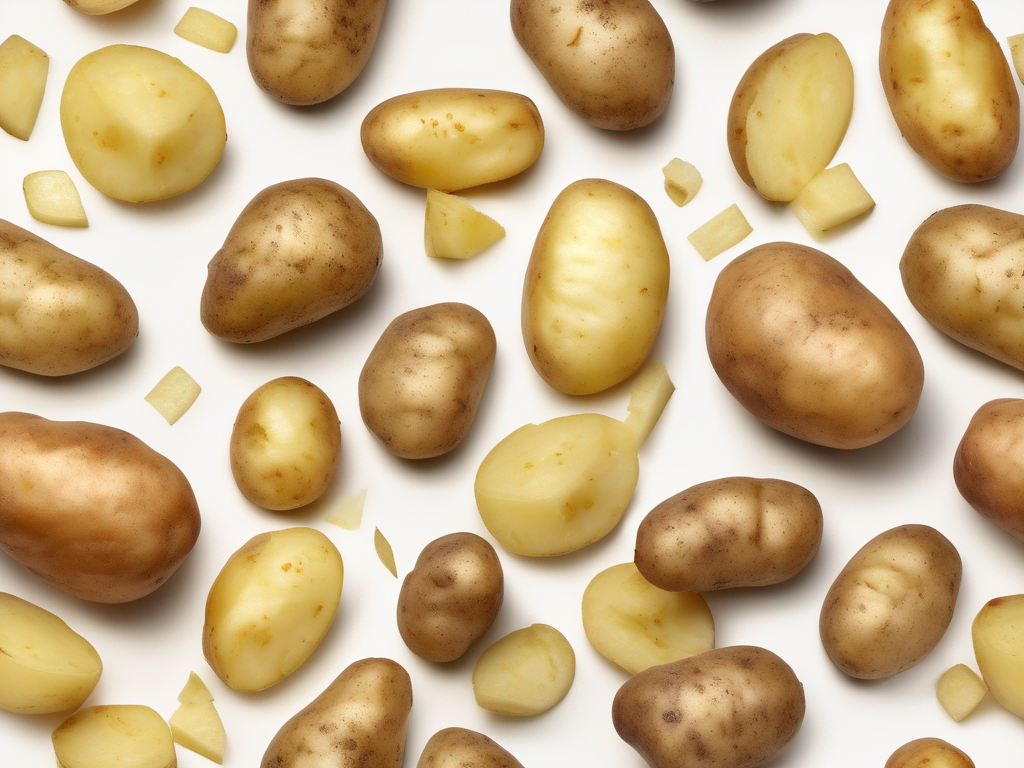
Potato salad is a beloved dish enjoyed at picnics, barbecues, and family gatherings. However, like any perishable food item, potato salad has an expiration date that you should be mindful of to ensure food safety and prevent foodborne illnesses. In this comprehensive guide, we will explore everything you need to know about the expiration date of potato salad, including storage tips and safety information. (Potato)
Understanding Potato Salad Expiration Date
When it comes to potato salad, the expiration date is determined by the ingredients used to make it, particularly the mayonnaise and other perishable items. Here are some key points to consider:
Factors Affecting Potato Salad Expiration Date:
- Mayonnaise: Mayonnaise is a common ingredient in potato salad and is prone to spoilage due to its egg content.
- Potatoes: Potatoes can also spoil and develop bacteria if not stored properly.
- Other ingredients: Ingredients like hard-boiled eggs, pickles, and onions can also impact the shelf life of potato salad.
Signs that Potato Salad has Expired:
- Unpleasant odor: If the potato salad smells sour or off, it is likely past its prime.
- Visible mold: Mold growth on the surface of the salad is a clear indicator that it has spoiled.
- Slimy texture: If the potato salad feels slimy or has a strange texture, it is best to discard it.
common situation: When Potato Salad Goes Wrong
Imagine you're at a summer barbeque, the sun is shining, and the potato salad is a centerpiece of the buffet. Everyone is excited, but as the day heats up, the potato salad sits out longer than it should. A few hours later, someone takes a bite and immediately realizes it smells off. They discreetly inform the host, who ends up having to throw away the entire bowl. This is a classic example of how easily potato salad can spoil without proper temperature control.
Dairy products require consistent cold storage to prevent spoilage and bacterial growth. A refrigerator thermometer (Amazon) helps ensure your refrigerator maintains safe temperatures (40°F or below).
In another situation, a family is preparing for a picnic and spends time perfecting their homemade potato salad. They prepare it the night before and store it in the fridge. The next day, they forget to check the temperature of the cooler during their drive to the park, leading to the salad warming up and spoiling. This highlights the importance of monitoring food temperatures during transport.
In a different situation, a group of friends decides to have a potluck. One friend is known for her delicious potato salad, and she makes a giant batch to share. However, she forgets to keep it cool while chatting with everyone and serving drinks. By the time it’s ready to eat, it’s been sitting out for hours in the sun. Unfortunately, half of the guests end up with upset stomachs after indulging in the salad. This serves as a great reminder that even the most delicious dishes can pose a risk when proper food safety precautions aren’t followed.
These stories remind us that while potato salad can be delicious and convenient, attention to detail in storage and serving can make a big difference in food safety.
Proper Storage of Potato Salad
To extend the shelf life of potato salad and prevent premature spoilage, it is crucial to store it correctly. Here are some tips for storing potato salad safely:
Refrigeration:
- Temperature: Store potato salad in the refrigerator at temperatures below 40°F (4°C).
- Covering: Always keep potato salad covered with a tight-fitting lid or plastic wrap to prevent cross-contamination.
- Shelf life: Potato salad can typically be stored in the refrigerator for 3-5 days.
Avoiding Temperature Abuse:
- Transportation: When bringing potato salad to an event, use a cooler with ice packs to keep it cold.
- Serving: Place the potato salad on a bed of ice or keep it in the refrigerator until ready to serve.
Additional Storage Methods:
- Freezing: Although freezing potato salad is not ideal due to changes in texture after thawing, if you must freeze it, consider omitting mayonnaise and mixing it in after thawing. This can help maintain a more enjoyable texture.
- Portioning: If you make a large batch, consider portioning it into smaller containers that can be consumed one at a time. This reduces the amount of potato salad exposed to air and bacteria when serving.
Tips for Enjoying Potato Salad Safely
To ensure that your potato salad is safe to eat and free from harmful bacteria, follow these tips:
Hygiene:
- Clean hands: Wash your hands thoroughly before preparing or serving potato salad.
- Utensils: Use clean utensils and cutting boards to prevent cross-contamination.
Preparation:
- Fresh ingredients: Use fresh ingredients when making potato salad to prolong its shelf life.
- Chilling: Allow the potato salad to cool in the refrigerator before serving to maintain freshness.
Leftovers:
- Refrigeration: Promptly refrigerate any leftover potato salad within two hours of serving.
- Reheating: If reheating leftovers, ensure they are heated to an internal temperature of 165°F (74°C).
Common Mistakes People Make with Potato Salad
Many people don't realize that potato salad can easily spoil if not treated with care. Here are some common mistakes that affect potato salad's freshness and safety:
-
Leaving It Out Too Long: It’s easy to lose track of time at a gathering, but potato salad should not be left out for more than two hours. In hot weather, this time reduces to just one hour.
-
Using Expired Ingredients: Some people use eggs or mayonnaise that are past their expiration dates thinking it will be fine since they’ll be mixed into the salad. This is a risky move, as expired ingredients can lead to foodborne illness.
-
Ignoring Cross-Contamination: Using the same utensils for raw meats and potato salad can introduce harmful bacteria. Always designate specific utensils for different types of food preparation.
-
Not Cooling Properly After Preparation: After making potato salad, it’s essential to cool it down quickly rather than letting it sit at room temperature. Food safety experts recommend placing the serving bowl in a larger bowl filled with ice water to expedite cooling.
Expert Insights on Potato Salad Safety
Many food safety experts stress the importance of understanding foodborne pathogens that can grow in common ingredients of potato salad, particularly when mayonnaise is involved. The bacteria, such as Salmonella and Listeria, can thrive in improperly stored dishes.
According to the USDA, the safe temperature for cooking potatoes is 210°F (99°C). Even when cooling down, it’s important to get the potato salad to below 40°F as quickly as possible to prevent bacteria from multiplying.
Additionally, experts recommend making potato salad a day in advance, allowing time for flavors to meld, while also giving you a chance to ensure the salad is cooled and stored properly before enjoying it.
Nutritional Considerations
Beyond safety, it's worth noting the nutritional profile of potato salad. Potatoes are a good source of vitamins C and B6, as well as potassium. However, when preparing your salad, be mindful of the calorie and fat content, especially from mayonnaise. For a healthier twist, you can substitute Greek yogurt for mayonnaise, which adds protein and reduces overall calories. Alternatively, adding vegetables such as diced bell peppers, carrots, or celery can boost the nutritional value while also adding texture and flavor.
Conclusion
In conclusion, understanding the expiration date of potato salad is essential for maintaining food safety and preventing foodborne illnesses. By following proper storage guidelines, practicing good hygiene, and being mindful of signs of spoilage, you can enjoy delicious and safe potato salad at your gatherings. Remember to always err on the side of caution and discard potato salad if you suspect it has expired. Enjoy your potato salad responsibly and savor every bite!
For more information on potato and other food-related topics, stay tuned to our blog for expert insights and tips. (Potato)
Related Posts
Here are some other articles you might find helpful:
- The Truth About Instant Mashed Potatoes Past Expiration Date
- The Ultimate Guide to Sour Cream Use By Date
- Are Potato Chips Still Safe to Eat After the Expiration Date?
- How Long is Powdered Gravy Good for After the Expiration Date?
- The Ultimate Guide to Mashed Potatoes Expiration Date
Authoritative Food Safety References
These agencies and university labs inform every tip and health precaution we publish.
USDA FoodKeeper – Cold Storage Guidelines
Official refrigerator, freezer, and pantry timelines maintained by the U.S. Department of Agriculture.
Visit USDA FoodKeeperFDA Produce Safety Rule & Grower Guidance
Field-to-fridge handling practices that prevent contamination of fruits, vegetables, and leafy greens.
Visit FDA Produce SafetyCDC Foodborne Illness Prevention Hub
Surveillance-backed guidance on pathogens, symptoms, and steps to reduce foodborne illness risk.
Visit CDC Food SafetyUC Davis Postharvest Technology Center
University research detailing optimal storage atmospheres for produce after harvest.
Visit UC Davis PostharvestPenn State Extension – Home Food Preservation & Safety
Peer-reviewed extension bulletins on safe canning, chilling, and reheating practices.
Visit Penn State ExtensionFrequently Asked Questions
How can I tell if potato salad has gone bad?
Can I freeze potato salad?
How should I store leftover potato salad?
Citations
Disclosure: As an Amazon Associate, we earn from qualifying purchases. This helps support our site and allows us to continue providing free food safety information.