How Long Can You Use Eggs After the Expiration Date
How Long Can You Use Eggs After the Expiration Date
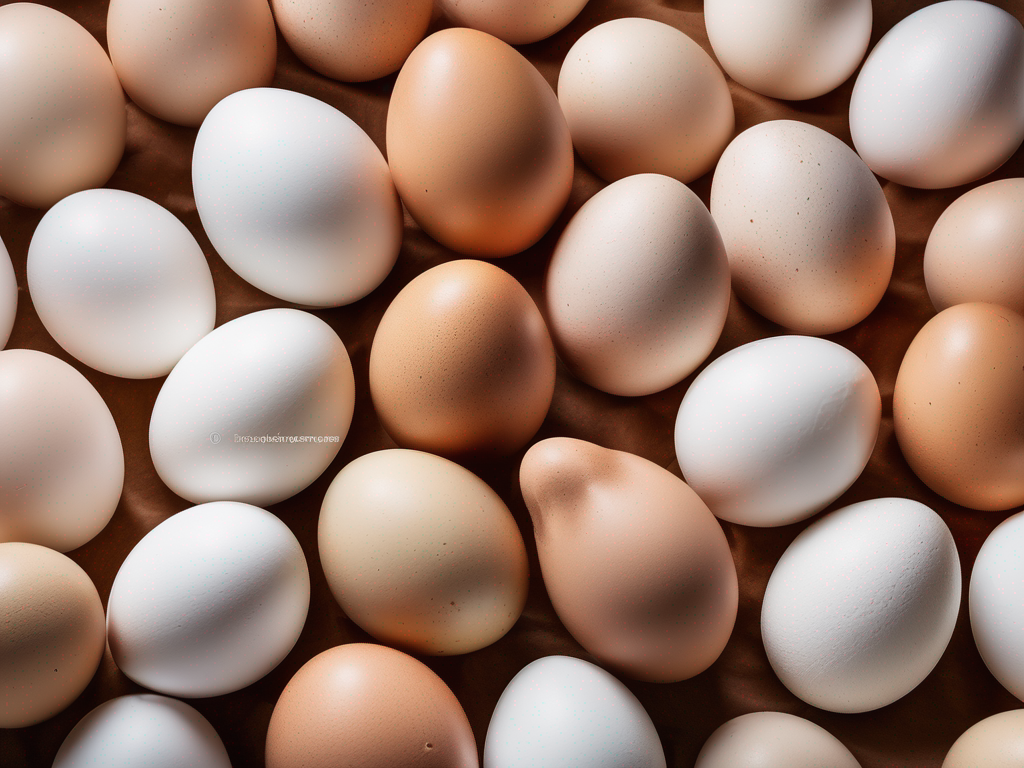
Eggs are a versatile and nutritious ingredient that is a staple in many kitchens. However, it's not uncommon to find yourself with a carton of eggs past their expiration date. The question then arises: how long can you use eggs after the expiration date? In this comprehensive guide, we will explore the safety, quality, and shelf life of eggs beyond the date printed on the carton. (Eggs)
Understanding Egg Expiration Dates
Before delving into how long eggs can be used after the expiration date, it's essential to understand the different dates you may find on egg cartons:
- Sell-By Date: This date is an indication for retailers, letting them know how long to display the eggs for sale. Eggs are typically safe to consume for some time after this date.
- Best if Used By/Before Date: This date suggests the optimal quality of the eggs, but they can still be safe to eat after this date.
- Expiration Date: This is the date beyond which the eggs should not be consumed, as their safety cannot be guaranteed.
It's important to note that the expiration date is not a strict deadline. Eggs can still be safe to eat for a period after this date if stored correctly.
Factors Affecting Egg Freshness
Several factors can impact the freshness and shelf life of eggs:
Storage Conditions
Proper storage is crucial in extending the shelf life of eggs. Here are some tips for storing eggs:
- Keep eggs in their original carton to protect them from absorbing odors and flavors from other foods.
- Store eggs in the refrigerator rather than at room temperature.
- Place the eggs in the coldest part of the refrigerator, usually the main body rather than the door.
Egg Quality
The quality of eggs can vary depending on several factors, including the diet of the hens, how the eggs were handled and processed, and the storage conditions.
Egg Washing
In the United States, eggs are washed before being sold, which removes the natural protective coating. This can shorten their shelf life compared to unwashed eggs.
Can You Use Eggs After the Expiration Date?
While the expiration date on egg cartons is a good guideline for freshness and quality, eggs can often be used safely after this date. Here are some tips for determining the freshness of eggs:
Visual Inspection
- Check for any visible signs of spoilage, such as cracks, unusual odors, or mold on the shell.
- A fresh egg should have a clear, firm white and a yolk that stands up.
The Float Test
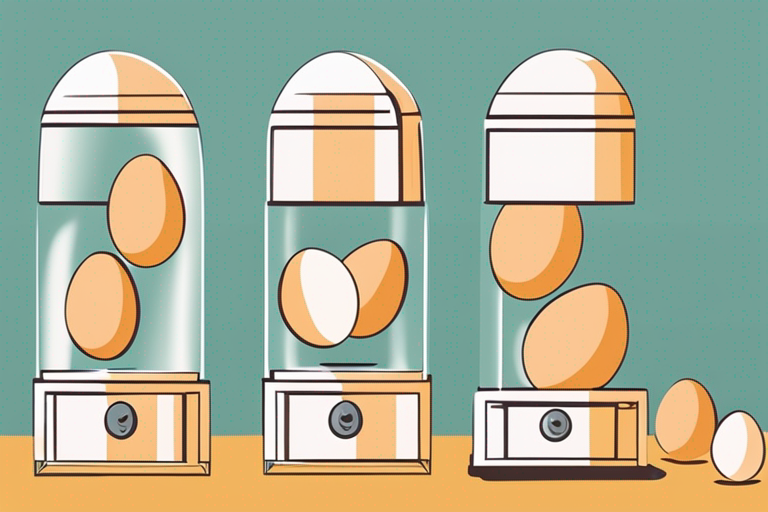
- Fill a bowl with water and gently place the egg inside.
- If the egg sinks to the bottom and lays flat, it is fresh.
- If the egg stands upright at the bottom, it is still good but should be used soon.
- If the egg floats to the surface, it is no longer fresh and should be discarded.
The Smell Test
- Smell the egg to check for any unusual or sulfur-like odors. A rotten egg will have a distinct foul smell.
common situation: When Eggs Are Past Their Expiration Date
Consider the story of Linda, a busy mom who often stocks her kitchen with groceries but sometimes forgets about the eggs at the back of the fridge. One day, she discovered a carton of eggs that had expired a week earlier. With a tight schedule and the need to bake a cake for her daughter's birthday, she was in a dilemma. Remembering what she had read about the float test, she decided to check the eggs. To her relief, they all sank to the bottom, confirming their freshness. Linda used the eggs without any issues in her delicious cake, illustrating how understanding egg freshness can save the day.
Another relatable situation is when Mark, a college student living in a small apartment, noticed his eggs had passed the expiration date while he was preparing for a big exam. Facing a limited budget and wanting to avoid waste, he carefully inspected the eggs. After a quick float test and smell check, he determined that they were still good to use. He made a hearty breakfast omelet that fueled him for hours of studying, proving that being informed about food safety can lead to both savings and tasty meals.
Tips for Extending the Shelf Life of Eggs
To maximize the freshness and quality of eggs, consider the following tips:
- Refrigerate promptly: Store eggs in the refrigerator as soon as possible after purchase.
- Use the coldest part of the fridge: Keep eggs in the main body of the refrigerator rather than the door.
- Keep eggs in their original carton: The carton helps protect eggs from absorbing odors and flavors.
- Avoid temperature fluctuations: Fluctuating temperatures can impact the quality of eggs, so try to maintain a consistent temperature in the fridge.
Common Mistakes in Egg Storage
Many people unknowingly shorten the life of their eggs by making common mistakes. For instance, some individuals wash their eggs before storing them, thinking it will keep them cleaner. However, washing eggs removes the natural protective coating and can lead to quicker spoilage.
Another mistake is storing eggs in the refrigerator door, where the temperature fluctuates each time the door is opened. This can lead to compromised quality. Instead, placing eggs in the main compartment of the refrigerator ensures they remain at a consistent, cool temperature.
Scientific Context: Understanding Egg Freshness
From a scientific perspective, eggs have a natural defense mechanism due to their protective coating, which helps keep out bacteria and maintain freshness. This coating, called the bloom or cuticle, is washed away during processing in the U.S. The pH level of the egg white is also a key factor in freshness; fresh eggs have a higher pH, which prevents the growth of bacteria.
As eggs age, the pH level increases, causing the egg white to become thinner and the yolk to flatten. This is why freshness tests, like the float test, can be valuable; they allow you to gauge the age of the egg accurately.
Expert Insights: Professional Recommendations
Food safety experts recommend that consumers use eggs within 3 to 5 weeks after the sell-by date as long as they have been stored properly. However, always trust your senses—if an egg looks, smells, or feels off, it's better to play it safe and discard it.
Additionally, if you're unsure about the freshness of your eggs and want to make a big batch of baked goods or dishes involving eggs, consider using pasteurized eggs. These eggs have been heated to eliminate potential bacteria without cooking the egg, providing a safer option for dishes that require raw or lightly cooked eggs.
Conclusion
While it's important to be mindful of food safety guidelines, eggs can often be used safely after the expiration date if they are stored properly and show no signs of spoilage. By understanding how to assess the freshness of eggs and following best storage practices, you can enjoy this versatile ingredient beyond the date printed on the carton.
Remember, if in doubt, it's best to err on the side of caution and discard any eggs that show signs of spoilage or have an off odor. Enjoy your eggs safely and deliciously!
For more information on egg recipes and cooking tips, visit our eggs section.
By following these guidelines and tips, you can confidently use eggs after their expiration date, ensuring both safety and quality in your cooking and baking endeavors. (Eggs)
Related Posts
Here are some other articles you might find helpful:
- Does Caviar Expire: A Guide to Caviar Shelf Life and Storage
- How Long Do Eggs Last Past the Expiration Date?
- The Ultimate Guide to Expiration Date Food Chart
- Does Unopened Mayonnaise Expire?
- Unopened Mayonnaise Shelf Life: A Comprehensive Guide
Authoritative Food Safety References
These agencies and university labs inform every tip and health precaution we publish.
USDA FoodKeeper – Cold Storage Guidelines
Official refrigerator, freezer, and pantry timelines maintained by the U.S. Department of Agriculture.
Visit USDA FoodKeeperFDA Produce Safety Rule & Grower Guidance
Field-to-fridge handling practices that prevent contamination of fruits, vegetables, and leafy greens.
Visit FDA Produce SafetyCDC Foodborne Illness Prevention Hub
Surveillance-backed guidance on pathogens, symptoms, and steps to reduce foodborne illness risk.
Visit CDC Food SafetyUC Davis Postharvest Technology Center
University research detailing optimal storage atmospheres for produce after harvest.
Visit UC Davis PostharvestPenn State Extension – Home Food Preservation & Safety
Peer-reviewed extension bulletins on safe canning, chilling, and reheating practices.
Visit Penn State Extension