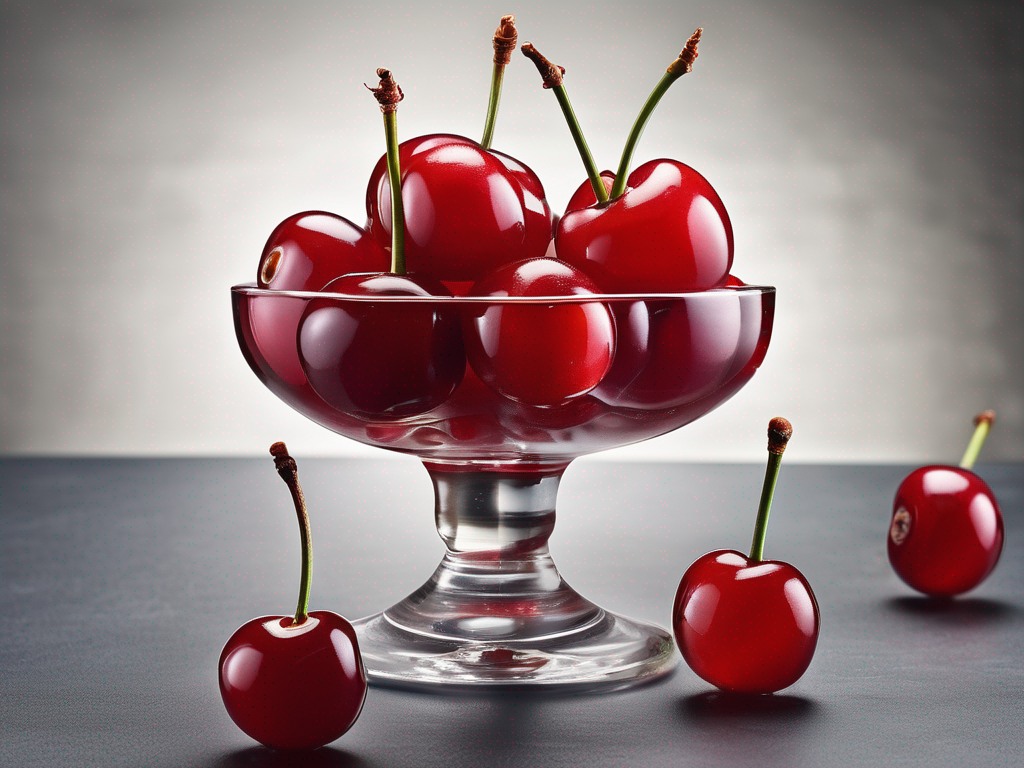
How to Tell if Unopened Maraschino Cherries Have Gone Bad
How to Tell if Unopened Maraschino Cherries Have Gone Bad
Maraschino cherries are a popular garnish for cocktails, desserts, and other dishes due to their vibrant color and sweet flavor. However, like any other food item, maraschino cherries can go bad if not stored properly or if they exceed their shelf life. In this blog post, we will discuss how to tell if unopened maraschino cherries have gone bad, as well as provide tips on proper storage and handling to ensure food safety. (Maraschino cherries unopened)
Signs of Spoiled Maraschino Cherries
Unopened jars of maraschino cherries typically have a long shelf life, but it's essential to check for signs of spoilage before consuming them. Here are some indicators that your unopened maraschino cherries may have gone bad:
1. Check the Expiry Date
- Look for the "best by" or expiry date on the jar. If the cherries are past this date, they may have deteriorated in quality and could be unsafe to eat.
2. Inspect the Seal
- Ensure that the jar's seal is intact and has not been tampered with. A broken or damaged seal can allow bacteria to enter the jar and spoil the cherries.
3. Check for Mold
- If you notice any mold growth on the surface of the cherries or in the liquid, discard the entire jar immediately. Mold can produce harmful unpleasant flavors, odors, or reduced nutritional quality and pose a health risk if consumed.
4. Odor
- Give the jar a sniff. If you detect any off or foul odors, it's a sign that the cherries have spoiled and should not be consumed.
5. Texture and Color
- Visually inspect the cherries for any changes in texture or color. If the cherries appear mushy, discolored, or have an unusual texture, they are likely spoiled.
Proper Storage of Maraschino Cherries
To extend the shelf life of unopened maraschino cherries and maintain their quality, it's crucial to store them correctly. Here are some tips for storing maraschino cherries:
1. Store in a Cool, Dark Place
- Keep unopened jars of maraschino cherries in a cool, dark pantry or cupboard away from direct sunlight and heat sources.
2. Refrigeration
- Once opened, store any leftover cherries in the refrigerator to slow down the deterioration process and preserve their freshness.
3. Use Clean Utensils
- When serving maraschino cherries, always use clean utensils to prevent contamination and the growth of harmful bacteria.
4. Avoid Cross-Contamination
- To prevent cross-contamination, never use the same utensil to scoop out cherries and then dip it back into the jar. This can introduce bacteria and cause spoilage.
5. Use Airtight Containers
- If you transfer the cherries to a different container, make sure it is airtight to maintain the cherries' quality and prevent them from absorbing other odors in the fridge.
Conclusion
In conclusion, it's essential to be mindful of the signs of spoilage when it comes to unopened maraschino cherries. By checking the expiry date, inspecting the seal, looking for mold, checking the odor, and examining the texture and color, you can determine if the cherries are safe to consume. Proper storage practices, such as storing in a cool, dark place, refrigerating after opening, using clean utensils, avoiding cross-contamination, and using airtight containers, can help prolong the shelf life of maraschino cherries and ensure food safety. Remember, when in doubt, it's always best to err on the side of caution and discard any questionable food items to avoid the risk of foodborne illness. (Maraschino cherries unopened)
Authoritative Food Safety References
These agencies and university labs inform every tip and health precaution we publish.
USDA FoodKeeper – Cold Storage Guidelines
Official refrigerator, freezer, and pantry timelines maintained by the U.S. Department of Agriculture.
Visit USDA FoodKeeperFDA Produce Safety Rule & Grower Guidance
Field-to-fridge handling practices that prevent contamination of fruits, vegetables, and leafy greens.
Visit FDA Produce SafetyCDC Foodborne Illness Prevention Hub
Surveillance-backed guidance on pathogens, symptoms, and steps to reduce foodborne illness risk.
Visit CDC Food SafetyUC Davis Postharvest Technology Center
University research detailing optimal storage atmospheres for produce after harvest.
Visit UC Davis PostharvestPenn State Extension – Home Food Preservation & Safety
Peer-reviewed extension bulletins on safe canning, chilling, and reheating practices.
Visit Penn State Extension