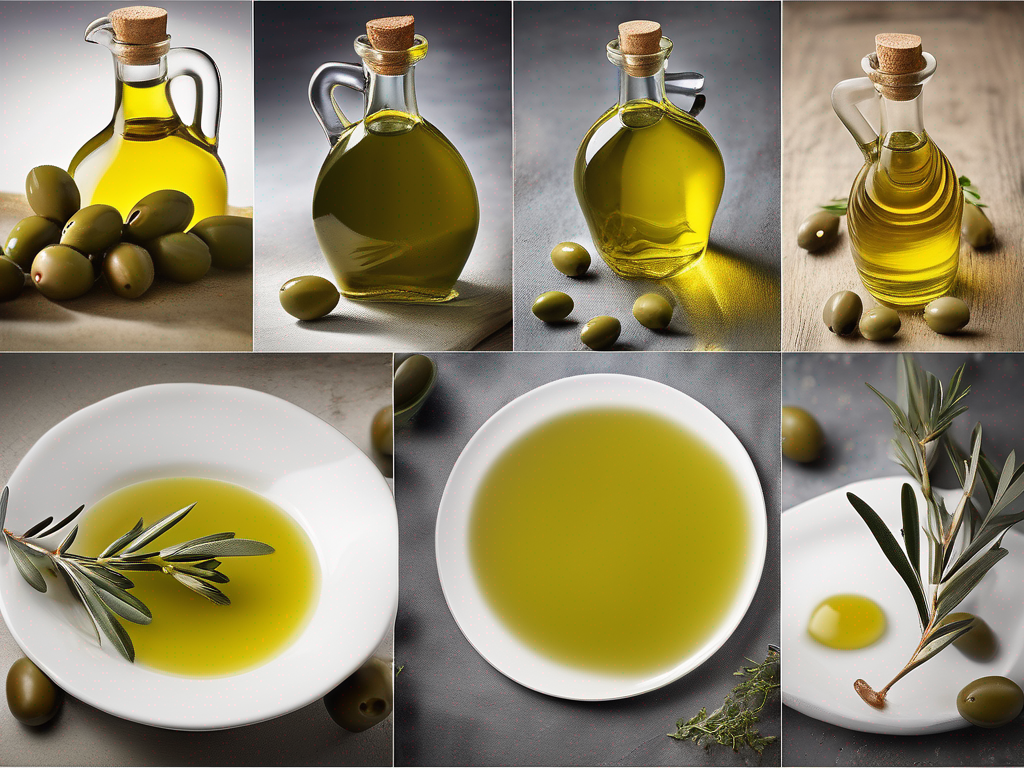
Is Your Olive Oil Still Good? How to Tell if Your Olive Oil has Gone Bad
Is Your Olive Oil Still Good? How to Tell if Your Olive Oil has Gone Bad
Olive oil is a staple in many kitchens around the world, prized for its nutritional quality and versatility in cooking. However, like any other food product, olive oil can go bad over time. It is important to know how to tell if your olive oil has gone rancid to ensure you are using quality oil in your cooking. In this blog post, we will discuss the signs of rancid olive oil and how to properly store it to prolong its shelf life. (Olive oil)
Importance of Checking Olive Oil Quality
Olive oil is susceptible to oxidation and degradation due to factors like exposure to light, heat, and air. Consuming rancid olive oil not only affects the taste of your dishes but can also lead to health risks. Here are some reasons why it is essential to check the quality of your olive oil:
- Health Risks: Rancid olive oil can contain unpleasant flavors, odors, or reduced nutritional quality that may cause digestive issues and impact your overall well-being.
- Flavor: Fresh olive oil has a distinct flavor profile that can enhance your dishes. Rancid oil will have an unpleasant taste and odor.
- Nutritional Value: Fresh olive oil is rich in antioxidants and healthy fats. Rancid oil loses its nutritional value and may even have negative health effects.
Signs Your Olive Oil has Gone Bad
1. Smell Test
- Fresh Olive Oil: Should have a fruity, grassy aroma.
- Rancid Olive Oil: Smells musty, like old peanuts, or even putrid.
2. Taste Test
- Fresh Olive Oil: Has a smooth, slightly peppery taste.
- Rancid Olive Oil: Tastes sour, stale, or metallic.
3. Appearance
- Fresh Olive Oil: Clear and bright in color.
- Rancid Olive Oil: Cloudy or murky appearance.
4. Expiry Date
- Check the expiry date on the bottle. Olive oil should ideally be used within 18-24 months of the harvest date.
Proper Storage Tips for Olive Oil
Proper storage is crucial to maintaining the quality of your olive oil and preventing it from going rancid prematurely. Follow these tips to ensure your olive oil stays fresh for longer:
Proper airflow and humidity control can significantly extend produce freshness. Many households use produce storage containers (Amazon) in the refrigerator to regulate moisture and slow spoilage.
- Store in a Dark Place: Keep your olive oil away from direct sunlight to prevent oxidation.
- Cool and Dry Environment: Store olive oil in a cool, dark pantry or cupboard to maintain its freshness.
- Air-Tight Container: Use a tightly sealed container to minimize exposure to air.
- Avoid Heat: Do not store olive oil near heat sources like stoves or ovens.
- Use Quickly: Olive oil is best used within a few months of opening to enjoy its full flavor and nutritional quality.
Conclusion
Ensuring the quality of your olive oil is essential for both your health and the taste of your dishes. By following the tips mentioned in this blog post, you can easily determine if your olive oil has gone bad and take the necessary steps to store it properly. Remember to conduct regular checks on your olive oil's aroma, taste, and appearance to ensure you are using fresh, high-quality oil in your cooking. By storing your olive oil correctly and using it in a timely manner, you can enjoy the full benefits of this precious ingredient in your culinary creations. (Olive oil)
Authoritative Food Safety References
These agencies and university labs inform every tip and health precaution we publish.
USDA FoodKeeper – Cold Storage Guidelines
Official refrigerator, freezer, and pantry timelines maintained by the U.S. Department of Agriculture.
Visit USDA FoodKeeperFDA Produce Safety Rule & Grower Guidance
Field-to-fridge handling practices that prevent contamination of fruits, vegetables, and leafy greens.
Visit FDA Produce SafetyCDC Foodborne Illness Prevention Hub
Surveillance-backed guidance on pathogens, symptoms, and steps to reduce foodborne illness risk.
Visit CDC Food SafetyUC Davis Postharvest Technology Center
University research detailing optimal storage atmospheres for produce after harvest.
Visit UC Davis PostharvestPenn State Extension – Home Food Preservation & Safety
Peer-reviewed extension bulletins on safe canning, chilling, and reheating practices.
Visit Penn State ExtensionDisclosure: As an Amazon Associate, we earn from qualifying purchases. This helps support our site and allows us to continue providing free food safety information.