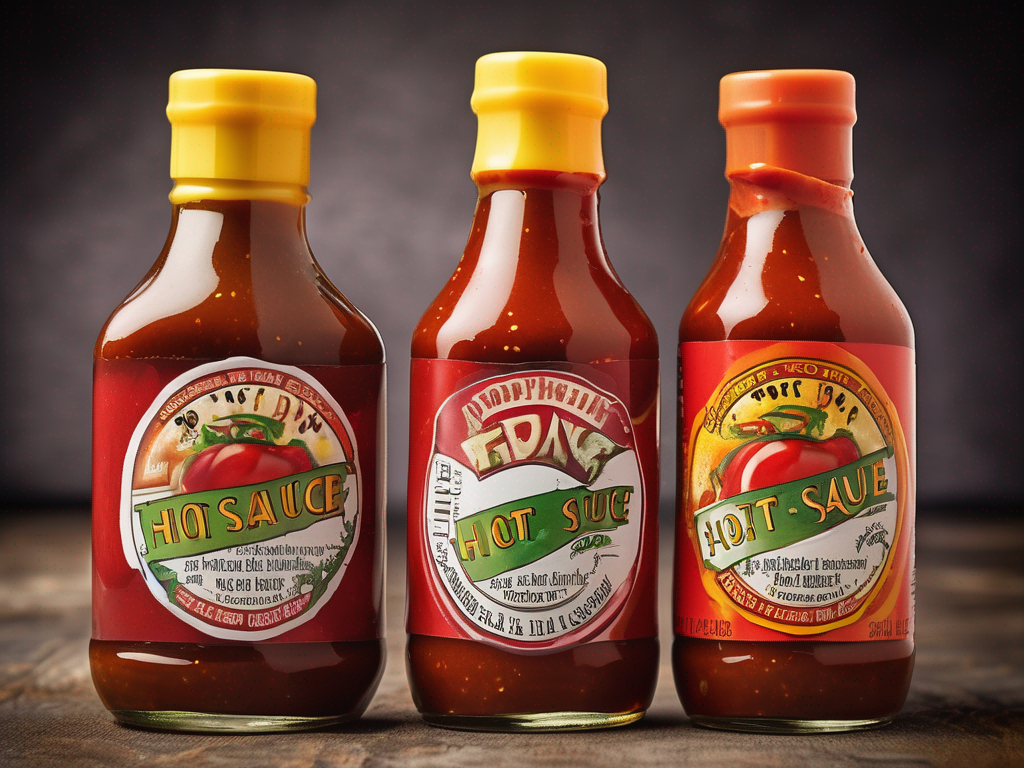
Is Your Unopened Hot Sauce Still Good? How to Tell If It Has Gone Bad
Is Your Unopened Hot Sauce Still Good? How to Tell If It Has Gone Bad
Hot sauce is a beloved condiment that can add a kick of flavor to any dish. Whether you prefer mild, medium, or extra spicy, hot sauce is a staple in many kitchens. But what happens when you reach for that bottle of hot sauce that has been sitting in your pantry for months or even years? How can you tell if your unopened hot sauce has gone bad? In this guide, we will explore the signs to look for to determine if your hot sauce is still safe to consume. (Hot sauce unopened)
Why Does Hot Sauce Go Bad?
Hot sauce typically has a long shelf life due to its high acidity and the presence of preservatives. However, over time, even unopened bottles of hot sauce can deteriorate in quality. Several factors can contribute to hot sauce going bad, including:
- Exposure to sunlight: UV light can degrade the quality of hot sauce over time.
- Temperature fluctuations: Hot sauce should be stored at a consistent temperature to maintain its quality.
- Contamination: If the bottle is not properly sealed, bacteria or mold can grow inside the bottle.
- Age: Like all food products, hot sauce can lose its flavor and potency as it ages.
Signs That Your Unopened Hot Sauce Has Gone Bad
1. Check the Expiration Date
- Hot sauce typically has a long shelf life, but it's always a good idea to check the expiration date on the bottle. If the hot sauce is past its expiration date, it's best to discard it.
2. Inspect the Bottle
- Look for any signs of damage to the bottle, such as cracks or leaks. If the bottle is compromised in any way, the hot sauce may have been exposed to contaminants.
3. Examine the Color and Consistency
- Fresh hot sauce should have a vibrant color and a smooth consistency. If you notice any discoloration, separation, or mold growth, the hot sauce has likely gone bad.
4. Smell Test
- Open the bottle and take a whiff of the hot sauce. If it has a sour or off-putting smell, it's a sign that the hot sauce has spoiled.
5. Taste Test
- While it's not recommended to consume spoiled food, if you are unsure about the quality of the hot sauce, you can do a small taste test. If the flavor is off or if it tastes rancid, it's best to dispose of the hot sauce.
Proper Storage Tips for Hot Sauce
To ensure the longevity and quality of your hot sauce, follow these storage tips:
- Store in a cool, dark place: Keep your hot sauce away from direct sunlight and heat sources.
- Seal the bottle tightly: Make sure the cap is securely tightened to prevent air and contaminants from entering the bottle.
- Avoid temperature fluctuations: Store your hot sauce at a consistent temperature to maintain its flavor and quality.
- Refrigerate after opening: Once you open a bottle of hot sauce, refrigerate it to prolong its shelf life.
Conclusion
In conclusion, it's essential to check the quality of your unopened hot sauce before using it to ensure that it is safe to consume. By following the tips outlined in this guide, you can determine if your hot sauce has gone bad and take the necessary steps to dispose of it properly. Remember to store your hot sauce properly to maintain its freshness and flavor for as long as possible. Enjoy your favorite hot sauce responsibly and safely!
For more information on food safety and storage, visit [hot sauce unopened](/food/hot sauce unopened). (Hot sauce unopened)
Authoritative Food Safety References
These agencies and university labs inform every tip and health precaution we publish.
USDA FoodKeeper – Cold Storage Guidelines
Official refrigerator, freezer, and pantry timelines maintained by the U.S. Department of Agriculture.
Visit USDA FoodKeeperFDA Produce Safety Rule & Grower Guidance
Field-to-fridge handling practices that prevent contamination of fruits, vegetables, and leafy greens.
Visit FDA Produce SafetyCDC Foodborne Illness Prevention Hub
Surveillance-backed guidance on pathogens, symptoms, and steps to reduce foodborne illness risk.
Visit CDC Food SafetyUC Davis Postharvest Technology Center
University research detailing optimal storage atmospheres for produce after harvest.
Visit UC Davis PostharvestPenn State Extension – Home Food Preservation & Safety
Peer-reviewed extension bulletins on safe canning, chilling, and reheating practices.
Visit Penn State Extension