USDAOfficial guidance
USDA FoodKeeper – Cold Storage Guidelines
Official refrigerator, freezer, and pantry timelines maintained by the U.S. Department of Agriculture.
Visit USDA FoodKeeperStorage conditions, initial freshness, and proper handling change the answer — and those details are easy to miss.
Get a yes / no answer for your hot sauce un →
Check Your Exact Situation
Last reviewed: January 2026
Reviewed by the Can I Eat Expired Editorial Team using official USDA, FDA, and CDC food safety guidance. How we assess food safety risk
May be safe if properly stored and showing no spoilage signs. Check carefully before consuming.
Pantry
50°F (10°C)
Store in a cool, dry place away from direct sunlight.
Spices lose flavor and potency when exposed to air and moisture. Keeping them sealed in an airtight spice container (Amazon) helps preserve flavor and prevent clumping.
730 days
Change in color, separation of ingredients, off odor
Marinades, salad dressings, dips
While unopened hot sauce does not necessarily spoil or become unsafe to consume, its quality may degrade over time. Over an extended period, the flavors and spiciness of the sauce may diminish. It is advised to consume the hot sauce within a reasonable timeframe to enjoy its full flavor profile. The 'best by' date on the bottle signifies the period during which the sauce is expected to retain its peak quality.
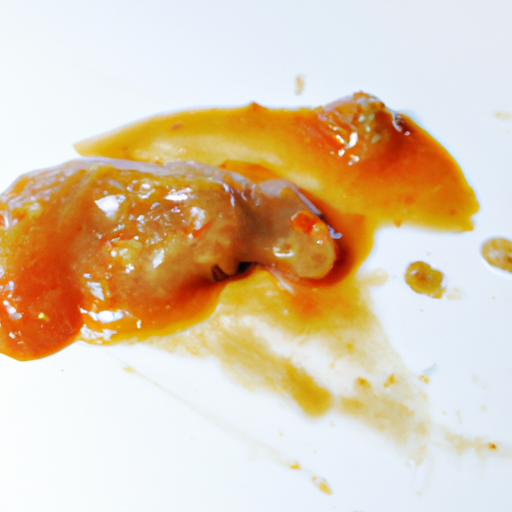
To determine if unopened hot sauce has gone bad, look for any changes in color such as darkening or mold growth, a foul or off smell, or a thickened or separated texture. If you notice any of these signs, it is best to discard the hot sauce to avoid potential food safety issues.
Hot sauce, when unopened, is generally safe from causing foodborne illnesses due to its high acidity and preservative content. However, to prevent any potential risks, it is important to store it in a cool, dry place away from direct sunlight and moisture. Avoid cross-contamination by using clean utensils when serving the sauce, especially if it comes into contact with raw food.
To maintain the quality and flavor of unopened hot sauce for an extended period, store it in a cool and dark place, such as a pantry or cupboard, away from heat sources. Avoid storing hot sauce in the refrigerator, as temperature fluctuations can affect its consistency and flavor. Keep the bottle tightly sealed to prevent air exposure, which can lead to flavor loss over time.
Hot sauce has a rich history dating back centuries, with origins in various cultures around the world. Different regions have their unique styles of hot sauce, utilizing locally grown peppers and spices. In many cultures, hot sauce is not just a condiment but a symbol of cultural identity and culinary tradition. Some hot sauces are so spicy that they are used sparingly to add intense flavor to dishes.
It's generally safe to store Hot Sauce Unopened next to mayonnaise in the pantry as long as both containers are sealed properly. However, to prevent any flavor transfer, ensure they are stored in separate areas or use airtight containers.
Once opened, Hot Sauce Unopened can typically be consumed for up to 1 year if stored in the refrigerator. Check for any changes in color, smell, or taste before consuming to ensure it's still safe.
The material of the bottle can impact the shelf life of Hot Sauce Unopened. Glass bottles are preferred as they are less likely to react with the sauce compared to plastic containers, which may impact the flavor over time.
Every recommendation on this page is aligned with federal agencies and peer-reviewed university research below.
Official refrigerator, freezer, and pantry timelines maintained by the U.S. Department of Agriculture.
Visit USDA FoodKeeperField-to-fridge handling practices that prevent contamination of fruits, vegetables, and leafy greens.
Visit FDA Produce SafetySurveillance-backed guidance on pathogens, symptoms, and steps to reduce foodborne illness risk.
Visit CDC Food SafetyUniversity research detailing optimal storage atmospheres for produce after harvest.
Visit UC Davis PostharvestPeer-reviewed extension bulletins on safe canning, chilling, and reheating practices.
Visit Penn State ExtensionImportant: These are general guidelines based on authoritative sources listed above. Always use your best judgment and when in doubt, throw it out.
Disclosure: As an Amazon Associate, we earn from qualifying purchases. This helps support our site and allows us to continue providing free food safety information.