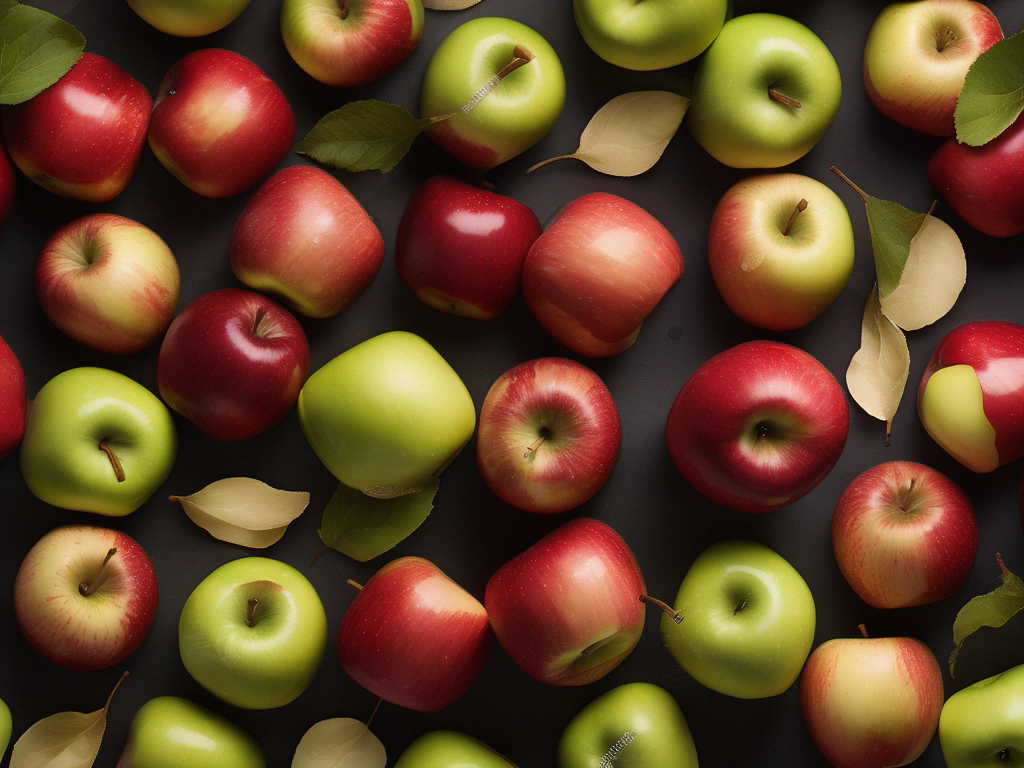
Is It Time to Say Goodbye to Your Apples? How to Tell If Your Apples Have Gone Bad
Is It Time to Say Goodbye to Your Apples? How to Tell If Your Apples Have Gone Bad
Apples are a beloved fruit for their crisp texture and sweet-tart flavor, making them a popular snack and ingredient in various dishes. Whether you picked them fresh from the orchard or bought them at the store, it's essential to know how to identify when your apples have gone bad. In this guide, we'll explore the signs of spoilage in apples and provide tips on how to properly store them to maintain their freshness. (Apples)
Signs of Spoiled Apples
1. Visual Cues
- Wrinkled Skin: Check for wrinkles or shriveling on the apple's skin.
- Discoloration: Look for dark or soft spots on the surface of the apple.
- Mold: Green or white mold growth indicates spoilage.
2. Texture and Firmness
- Softness: Press gently on the apple; if it feels mushy, it's past its prime.
- Mealy Texture: A mealy or grainy texture indicates deterioration.
3. Smell
- Foul Odor: If the apple emits a musty or fermented smell, it's no longer fresh.
4. Taste
- Off Flavors: Taste a small piece of the apple; if it tastes bitter or overly sweet, it has likely spoiled.
Proper Apple Storage Tips
To extend the shelf life of your apples and prevent premature spoilage, follow these storage recommendations:
1. Temperature
- Store apples in the refrigerator crisper drawer at a temperature between 32-40°F (0-4°C).
- Avoid storing apples near foods with strong odors as they can absorb them.
2. Humidity
- Apples thrive in moderate humidity levels; keep them in a perforated plastic bag to maintain moisture balance.
- Do not wash apples before storing as excess moisture can promote mold growth.
3. Isolation
- Keep apples away from ethylene-producing fruits like bananas and avocados, as ethylene can accelerate ripening and spoilage.
4. Check Regularly
- Inspect your apples periodically for any signs of spoilage and remove any damaged ones to prevent the spread of mold.
Conclusion
In conclusion, keeping your apples fresh and delicious for as long as possible requires proper storage and vigilant monitoring for signs of spoilage. By following the guidelines outlined in this article, you can enjoy your apples at their peak quality and flavor. Remember, when in doubt, it's better to err on the side of caution and discard any apples that show signs of going bad. Visit our apples section for more information on this versatile fruit. (Apples)
Proper airflow and humidity control can significantly extend produce freshness. Many households use produce storage containers (Amazon) in the refrigerator to regulate moisture and slow spoilage.
Authoritative Food Safety References
These agencies and university labs inform every tip and health precaution we publish.
USDA FoodKeeper – Cold Storage Guidelines
Official refrigerator, freezer, and pantry timelines maintained by the U.S. Department of Agriculture.
Visit USDA FoodKeeperFDA Produce Safety Rule & Grower Guidance
Field-to-fridge handling practices that prevent contamination of fruits, vegetables, and leafy greens.
Visit FDA Produce SafetyCDC Foodborne Illness Prevention Hub
Surveillance-backed guidance on pathogens, symptoms, and steps to reduce foodborne illness risk.
Visit CDC Food SafetyUC Davis Postharvest Technology Center
University research detailing optimal storage atmospheres for produce after harvest.
Visit UC Davis PostharvestPenn State Extension – Home Food Preservation & Safety
Peer-reviewed extension bulletins on safe canning, chilling, and reheating practices.
Visit Penn State ExtensionFrequently Asked Questions
Can I still eat apples that are slightly bruised or have small blemishes?
How should I store apples to prolong their freshness?
Can I freeze apples to preserve them for a longer period?
Are there any food safety tips to follow when handling apples?
Citations
Disclosure: As an Amazon Associate, we earn from qualifying purchases. This helps support our site and allows us to continue providing free food safety information.