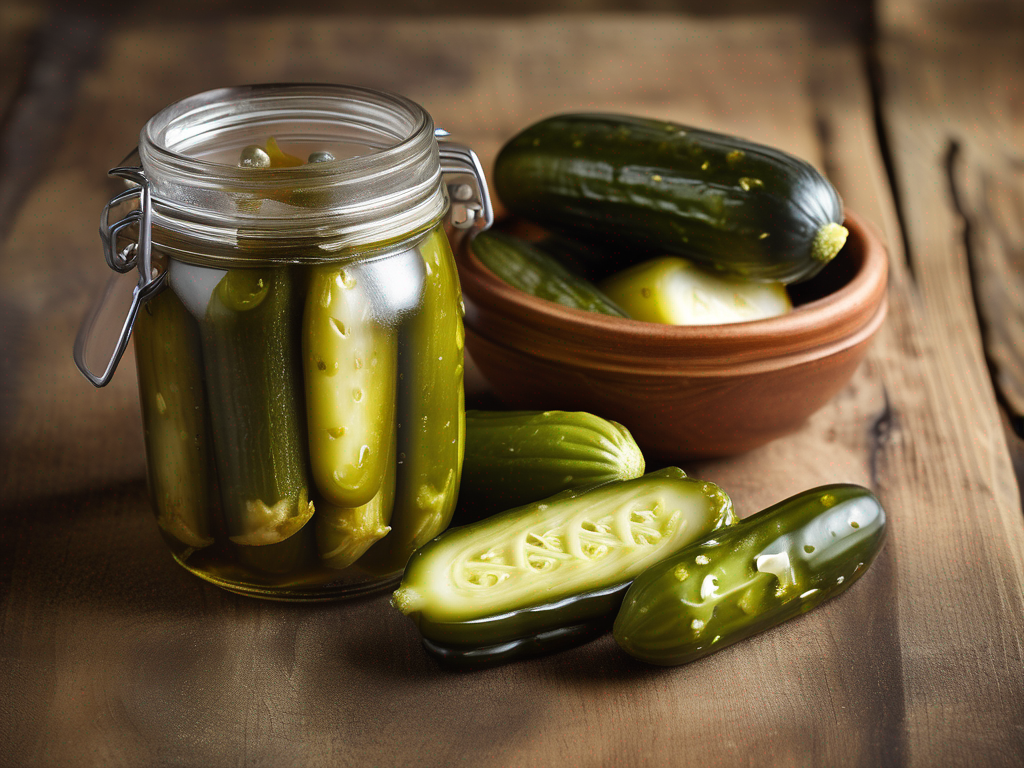
How to Prevent Pickles from Spoiling Quickly
How to Prevent Pickles from Spoiling Quickly
Pickles are a delicious and versatile addition to many dishes, from sandwiches to salads. However, they can spoil quickly if not properly stored and handled. In this blog post, we will discuss some practical tips to help you prevent pickles from spoiling quickly, ensuring that you can enjoy them for longer periods. (Pickles)
Understanding the Spoilage of Pickles
Before diving into prevention methods, it's important to understand why pickles spoil in the first place. Pickles can spoil due to various factors, including:
- Microbial Growth: Bacteria and molds can thrive in the acidic environment of pickles, leading to spoilage.
- Improper Sealing: If pickles are not sealed properly in airtight containers, air can enter and promote spoilage.
- Contamination: Introduction of contaminants during preparation or handling can accelerate spoilage.
Now that we know the common causes of pickle spoilage, let's explore how to prevent it.
Proper airflow and humidity control can significantly extend produce freshness. Many households use produce storage containers (Amazon) in the refrigerator to regulate moisture and slow spoilage.
Proper Storage Techniques for Pickles
1. Choose the Right Container
- Use glass or food-grade plastic containers for storing pickles.
- Ensure that the containers have tight-fitting lids to prevent air exposure.
2. Store in a Cool, Dark Place
- Keep pickles away from direct sunlight and store them in a cool, dark place, such as a pantry or refrigerator.
3. Maintain Proper Hygiene
- Wash your hands thoroughly before handling pickles to prevent contamination.
- Use clean utensils and containers for preparing and storing pickles.
Best Practices for Pickle Preparation
1. Use Fresh Ingredients
- Start with fresh, quality cucumbers and other vegetables for pickling.
- Avoid using bruised or damaged produce, as they can lead to quicker spoilage.
2. Follow Proper Pickling Techniques
- Ensure that you follow a tested pickle recipe and proper canning procedures to maintain safety and quality.
- Use the correct ratio of vinegar, salt, and spices for optimal preservation.
Additional Tips for Prolonging Pickle Shelf Life
1. Check for Spoilage Signs
- Discard any pickles that show signs of spoilage, such as mold growth, off odors, or sliminess.
- Inspect the pickles regularly for any changes in texture or color.
2. Rotate Pickle Stock
- Use the first-in, first-out method when consuming pickles to ensure that older batches are used first.
- Avoid keeping pickles in storage for extended periods.
Conclusion
By following these storage and handling tips, you can prevent pickles from spoiling quickly and extend their shelf life. Remember to prioritize hygiene, proper storage, and adherence to pickling guidelines to enjoy delicious and safe pickles for longer periods. Pickles are a delightful addition to meals, and with the right precautions, you can savor them without worrying about spoilage. (Pickles)
Related Posts
Here are some other articles you might find helpful:
- Top Tips for Preserving Chinese Mustard Freshness in the Pantry
- How to Properly Store Canned Chickpeas for Long-Term Freshness
- Preserving Fresh Caraway: Tips for Longer Shelf Life
- Reviving Dried Out Allspice Pods: Easy Tricks for Fresh Flavor
- The Ultimate Guide to Properly Storing Angelica for Extended Shelf Life
Authoritative Food Safety References
These agencies and university labs inform every tip and health precaution we publish.
USDA FoodKeeper – Cold Storage Guidelines
Official refrigerator, freezer, and pantry timelines maintained by the U.S. Department of Agriculture.
Visit USDA FoodKeeperFDA Produce Safety Rule & Grower Guidance
Field-to-fridge handling practices that prevent contamination of fruits, vegetables, and leafy greens.
Visit FDA Produce SafetyCDC Foodborne Illness Prevention Hub
Surveillance-backed guidance on pathogens, symptoms, and steps to reduce foodborne illness risk.
Visit CDC Food SafetyUC Davis Postharvest Technology Center
University research detailing optimal storage atmospheres for produce after harvest.
Visit UC Davis PostharvestPenn State Extension – Home Food Preservation & Safety
Peer-reviewed extension bulletins on safe canning, chilling, and reheating practices.
Visit Penn State ExtensionFrequently Asked Questions
How long do homemade pickles last?
Can I reuse pickle brine for making more pickles?
How do I know if my pickles are spoiled?
Can I store pickles at room temperature?
Disclosure: As an Amazon Associate, we earn from qualifying purchases. This helps support our site and allows us to continue providing free food safety information.