Preserving Pepper Spice: Tips for Extending Shelf Life
Preserving Pepper Spice: Tips for Extending Shelf Life
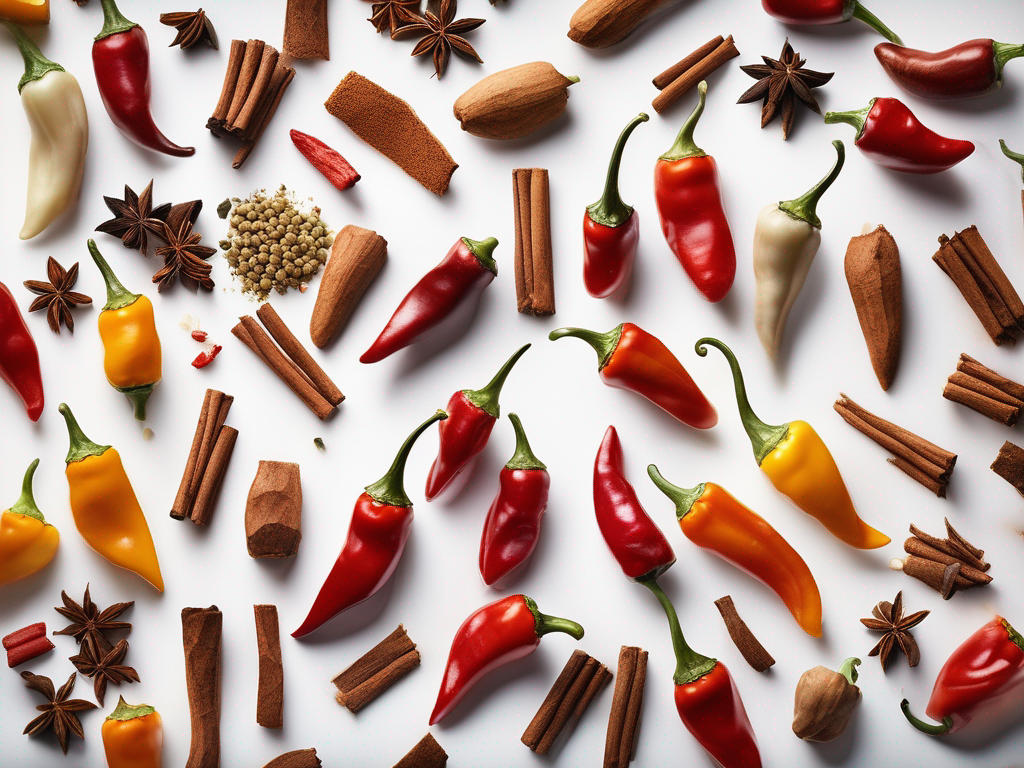
Pepper spice is a versatile and popular ingredient used in a wide variety of dishes to add flavor and heat. Whether you prefer the mild taste of white pepper or the bold kick of black pepper, preserving your pepper spice properly is crucial to maintaining its freshness and potency. In this blog post, we will explore effective methods to extend the shelf life of your pepper spice, ensuring that it retains its flavor and aroma for an extended period. (Pepper spice)
Understanding the Importance of Proper Storage
Proper storage is essential for preserving the quality of pepper spice. Exposure to light, heat, air, and moisture can lead to flavor loss and decreased potency. Here are some factors to consider when storing pepper spice:
Factors Affecting Pepper Spice Shelf Life
- Light: Ultraviolet light can degrade the flavor and color of pepper spice.
- Heat: High temperatures can cause the essential oils in pepper spice to evaporate.
- Air: Exposure to oxygen can lead to oxidation and loss of flavor.
- Moisture: Damp conditions can cause clumping and mold growth in pepper spice.
Best Practices for Preserving Pepper Spice
To ensure your pepper spice stays fresh and flavorful for longer, follow these best practices for storage:
1. Choose the Right Container
- Use airtight containers made of glass or metal to protect pepper spice from air and moisture.
- Avoid plastic containers, as they can absorb odors and degrade the quality of the spice.
2. Store in a Cool, Dark Place
- Keep pepper spice away from direct sunlight and heat sources like stoves or ovens.
- Store in a cool, dark pantry or cupboard to maintain optimal flavor and potency.
3. Avoid Grinding in Advance
- Whole peppercorns have a longer shelf life than pre-ground pepper.
- Grind pepper spice as needed to preserve its freshness and aroma.
4. Label and Date Your Containers
- Properly labeling containers with the date of purchase can help you track the freshness of your pepper spice.
- Use a permanent marker or label maker to clearly mark the container.
5. Consider Freezing for Long-Term Storage
- If you have a large quantity of pepper spice, consider freezing it in a sealed bag or container.
- Freezing can help extend the shelf life of pepper spice for up to a year without compromising flavor.
Safety Precautions for Handling Pepper Spice
While pepper spice is generally safe to consume, improper handling and storage can lead to contamination and spoilage. Follow these safety precautions to maintain the quality of your pepper spice:
Handling Tips
- Wash your hands before handling pepper spice to prevent contamination.
- Use clean utensils and containers when measuring or transferring the spice.
Storage Safety
- Check the container for any signs of mold, insects, or moisture before using the pepper spice.
- Discard any pepper spice that has an off odor, color, or appearance.
Conclusion
Preserving pepper spice for a longer shelf life requires proper storage, handling, and safety precautions. By following the tips outlined in this blog post, you can ensure that your pepper spice maintains its freshness and flavor for an extended period. Remember to store your pepper spice in a cool, dark place, use airtight containers, and avoid grinding in advance to maximize its shelf life. With the right care and attention, you can enjoy the full flavor and aroma of your pepper spice in all your culinary creations.
For more information on [pepper spice](/food/pepper spice) and other food preservation techniques, stay tuned to our blog for future updates and tips. Happy cooking! (Pepper spice)
Related Posts
Here are some other articles you might find helpful:
Authoritative Food Safety References
These agencies and university labs inform every tip and health precaution we publish.
USDA FoodKeeper – Cold Storage Guidelines
Official refrigerator, freezer, and pantry timelines maintained by the U.S. Department of Agriculture.
Visit USDA FoodKeeperFDA Produce Safety Rule & Grower Guidance
Field-to-fridge handling practices that prevent contamination of fruits, vegetables, and leafy greens.
Visit FDA Produce SafetyCDC Foodborne Illness Prevention Hub
Surveillance-backed guidance on pathogens, symptoms, and steps to reduce foodborne illness risk.
Visit CDC Food SafetyUC Davis Postharvest Technology Center
University research detailing optimal storage atmospheres for produce after harvest.
Visit UC Davis PostharvestPenn State Extension – Home Food Preservation & Safety
Peer-reviewed extension bulletins on safe canning, chilling, and reheating practices.
Visit Penn State Extension