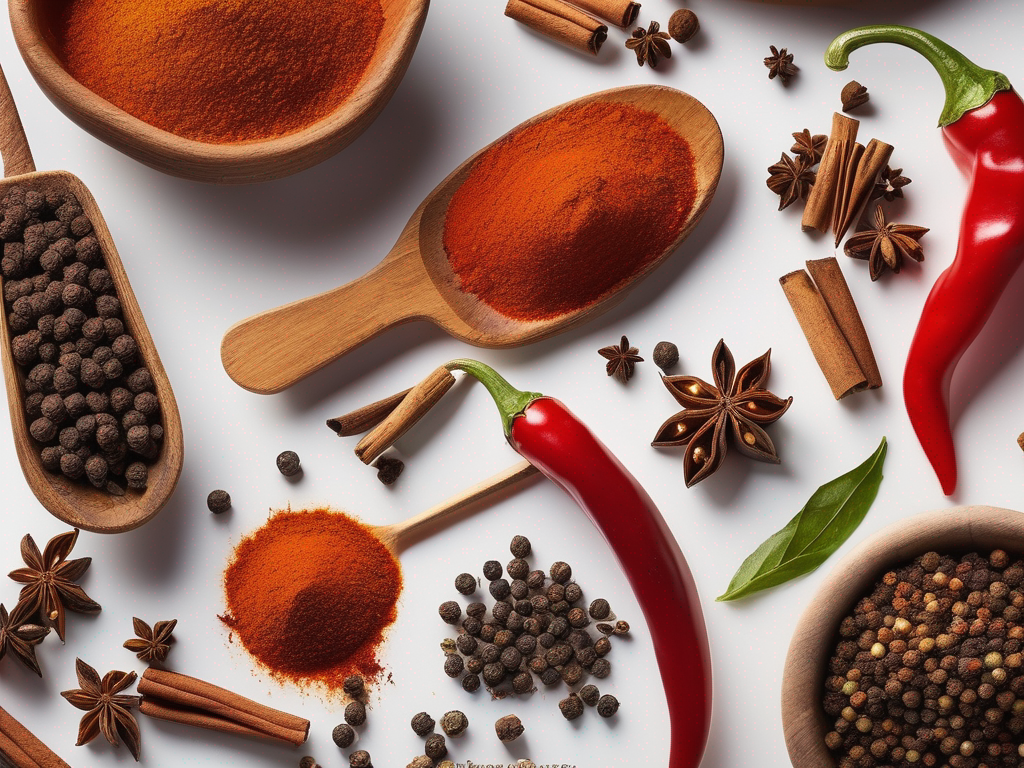
What Happens If I Use Expired Pepper Spice in My Recipe?
What Happens If I Use Expired Pepper Spice in My Recipe?
If you've ever rummaged through your pantry or spice rack and come across a forgotten container of expired pepper spice, you may wonder if it's still safe to use in your cooking. While dried spices like pepper do not spoil in the same way that perishable foods do, using expired spices can impact the flavor, aroma, and potentially the safety of your dishes. In this blog post, we'll delve into what happens when you use expired pepper spice in your recipes, the potential risks involved, and how to properly store and handle your spices for optimal freshness and safety. (Pepper spice)
The Impact of Expired Pepper Spice
When pepper spice reaches its expiration date, it doesn't necessarily mean that it is unsafe to consume. However, there are several factors to consider when using expired pepper spice in your recipes:
Flavor and Aroma
- Loss of potency: Over time, the essential oils in pepper spice that give it its flavor and aroma can degrade, resulting in a loss of potency.
- Stale taste: Expired pepper spice may taste stale or lack the vibrant flavor profile that fresh pepper imparts to dishes.
Safety Concerns
- Microbial growth: While dried spices are less prone to microbial contamination, using expired pepper spice increases the risk of mold growth or bacterial contamination.
- Foodborne illness: Consuming spices that have been contaminated with mold or bacteria can potentially lead to foodborne illnesses.
Practical Tips for Handling Expired Pepper Spice
To ensure the safety and quality of your dishes, consider the following tips when dealing with expired pepper spice:
-
Check for Signs of Spoilage: Inspect the appearance, aroma, and flavor of the pepper spice before using it. If it appears discolored, has a musty smell, or tastes off, it's best to discard it.
-
Store Properly: To extend the shelf life of your pepper spice, store it in a cool, dry place away from heat, light, and moisture. Consider transferring it to an airtight container for better preservation.
-
Label and Date: To keep track of the freshness of your spices, label them with the purchase date and expiration date. This will help you rotate your spices and use them before they lose their potency.
-
Use in Moderation: If you choose to use expired pepper spice, do so in moderation and adjust the quantity to compensate for any loss of flavor. Consider mixing it with fresher spices to enhance the overall taste.
-
Consider Quality Over Quantity: While it may be tempting to use up expired spices to avoid waste, prioritizing the quality and safety of your dishes is paramount. Investing in fresh, high-quality spices will elevate your culinary creations.
Conclusion
In conclusion, while using expired pepper spice in your recipes may not pose immediate health risks, it can impact the flavor and safety of your dishes. By following proper storage practices, regularly checking the freshness of your spices, and exercising caution when using expired spices, you can ensure that your culinary creations are both delicious and safe to consume. Remember, when in doubt, it's always best to err on the side of caution and opt for fresh spices to elevate your cooking to the next level. (Pepper spice)
Authoritative Food Safety References
These agencies and university labs inform every tip and health precaution we publish.
USDA FoodKeeper – Cold Storage Guidelines
Official refrigerator, freezer, and pantry timelines maintained by the U.S. Department of Agriculture.
Visit USDA FoodKeeperFDA Produce Safety Rule & Grower Guidance
Field-to-fridge handling practices that prevent contamination of fruits, vegetables, and leafy greens.
Visit FDA Produce SafetyCDC Foodborne Illness Prevention Hub
Surveillance-backed guidance on pathogens, symptoms, and steps to reduce foodborne illness risk.
Visit CDC Food SafetyUC Davis Postharvest Technology Center
University research detailing optimal storage atmospheres for produce after harvest.
Visit UC Davis PostharvestPenn State Extension – Home Food Preservation & Safety
Peer-reviewed extension bulletins on safe canning, chilling, and reheating practices.
Visit Penn State Extension