Preserving Lingonberries for Long-Term Enjoyment
Preserving Lingonberries for Long-Term Enjoyment
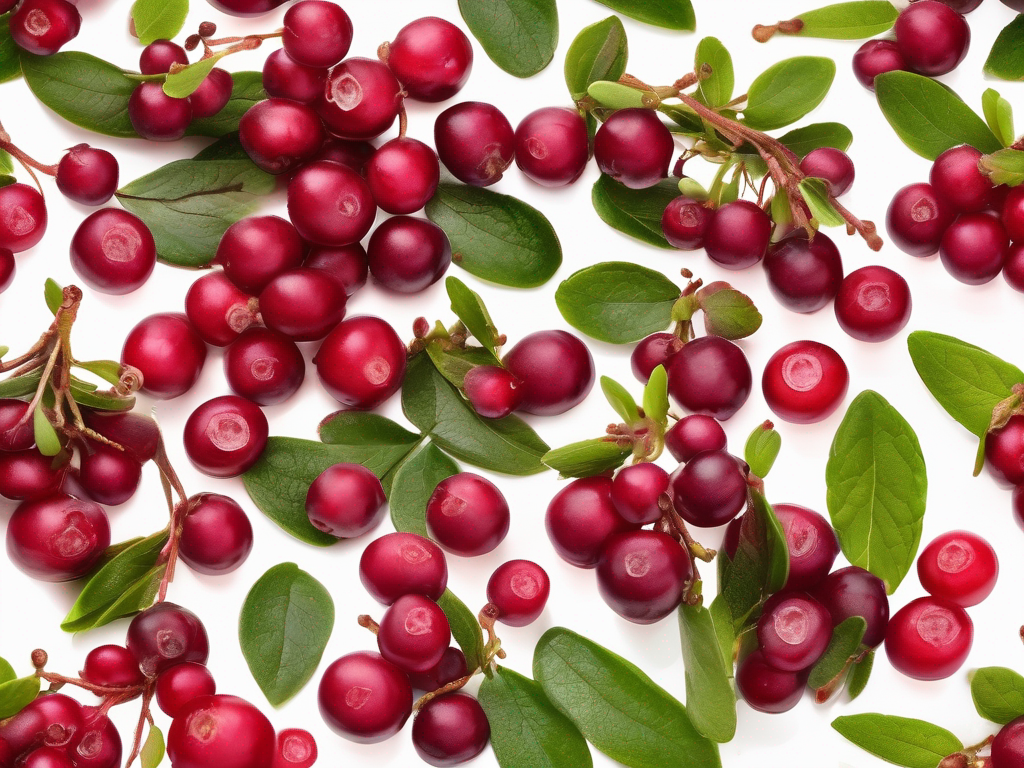
Lingonberries are a delicious and nutritious fruit that grows in the wild across Northern Europe and North America. Known for their tart flavor and vibrant red color, lingonberries are a versatile ingredient in both sweet and savory dishes. If you've come across a bountiful supply of lingonberries and want to make them last for an extended period, there are several preservation methods you can use. In this guide, we will explore various techniques to help you enjoy lingonberries throughout the year. (Lingonberry)
Understanding Lingonberries
Before we delve into the preservation methods, let's take a closer look at lingonberries and their unique characteristics:
What are Lingonberries?
Lingonberries, also known as cowberries or partridgeberries, are small, red berries that belong to the Vaccinium family, which includes cranberries and blueberries. These berries are rich in antioxidants, vitamins C and E, as well as fiber, making them a healthy addition to your diet.
Proper airflow and humidity control can significantly extend produce freshness. Many households use produce storage containers (Amazon) in the refrigerator to regulate moisture and slow spoilage.
Harvesting Lingonberries
Lingonberries are typically harvested in the late summer to early fall. They grow low to the ground on evergreen shrubs and are best picked when they are fully ripe and have a deep red color. It's essential to pick lingonberries carefully to avoid damaging the delicate fruits.
Preserving Lingonberries
Now that you have a good understanding of lingonberries, let's explore some effective methods to preserve them for long-term storage:
1. Freezing
Freezing is one of the simplest and most effective ways to preserve lingonberries. Follow these steps for successful freezing:
Keeping produce organized can improve air circulation and cooling. refrigerator organizer bins (Amazon) help reduce overcrowding and maintain consistent refrigerator temperatures.
- Wash the lingonberries gently in cold water and pat them dry.
- Spread the berries in a single layer on a baking sheet and place them in the freezer until they are firm.
- Transfer the frozen berries to airtight containers or freezer bags, removing excess air before sealing.
- Label the containers with the date and store them in the freezer for up to one year.
2. Making Lingonberry Jam
Lingonberry jam is a popular way to enjoy the berries throughout the year. Here's how you can make lingonberry jam at home:
- In a saucepan, combine washed lingonberries, sugar, and a splash of water.
- Cook the mixture over medium heat, stirring occasionally until the berries break down and the jam thickens.
- Pour the jam into sterilized jars, leaving a little space at the top, and seal them tightly.
- Process the jars in a water bath canner for long-term shelf stability.
3. Drying Lingonberries
Drying lingonberries is another excellent preservation method that enhances their shelf life. Here's how you can dry lingonberries at home:
- Wash the berries and pat them dry.
- Place the berries on a baking sheet in a single layer and dry them in a low-temperature oven or a food dehydrator.
- Check the berries periodically until they are leathery and dry.
- Store the dried lingonberries in airtight containers in a cool, dark place.
4. Pickling Lingonberries
Pickled lingonberries are a unique way to preserve the berries and add a tangy flavor to your dishes. Here's a simple pickling recipe you can try:
- In a saucepan, combine lingonberries, vinegar, sugar, and spices like cloves and cinnamon.
- Bring the mixture to a boil, then simmer for a few minutes.
- Transfer the pickled lingonberries to sterilized jars and seal them tightly.
- Allow the flavors to develop for a few weeks before consuming.
Safety Tips for Preserving Lingonberries
When preserving lingonberries or any other food, it's crucial to follow proper safety guidelines to prevent spoilage and foodborne illnesses. Here are some essential tips to keep in mind:
- Always use clean, sterilized containers and utensils when preserving lingonberries.
- Wash the berries thoroughly before preserving or consuming them.
- Label all preserved lingonberry products with the date of preparation for easy tracking.
- Store lingonberries in a cool, dark place away from direct sunlight and heat sources.
- Discard any preserved lingonberries that show signs of spoilage, such as mold or off odors.
Conclusion
Preserving lingonberries allows you to enjoy the taste of these delicious berries long after the harvest season has ended. Whether you choose to freeze, make jam, dry, or pickle lingonberries, each method offers a unique way to savor the flavors of this nutritious fruit. By following proper preservation techniques and safety guidelines, you can stock your pantry with lingonberries to use in a variety of recipes throughout the year. Experiment with different preservation methods to discover your favorite way to enjoy lingonberries all year round. (Lingonberry)
Authoritative Food Safety References
These agencies and university labs inform every tip and health precaution we publish.
USDA FoodKeeper – Cold Storage Guidelines
Official refrigerator, freezer, and pantry timelines maintained by the U.S. Department of Agriculture.
Visit USDA FoodKeeperFDA Produce Safety Rule & Grower Guidance
Field-to-fridge handling practices that prevent contamination of fruits, vegetables, and leafy greens.
Visit FDA Produce SafetyCDC Foodborne Illness Prevention Hub
Surveillance-backed guidance on pathogens, symptoms, and steps to reduce foodborne illness risk.
Visit CDC Food SafetyUC Davis Postharvest Technology Center
University research detailing optimal storage atmospheres for produce after harvest.
Visit UC Davis PostharvestPenn State Extension – Home Food Preservation & Safety
Peer-reviewed extension bulletins on safe canning, chilling, and reheating practices.
Visit Penn State ExtensionDisclosure: As an Amazon Associate, we earn from qualifying purchases. This helps support our site and allows us to continue providing free food safety information.