USDAOfficial guidance
USDA FoodKeeper – Cold Storage Guidelines
Official refrigerator, freezer, and pantry timelines maintained by the U.S. Department of Agriculture.
Visit USDA FoodKeeperStorage conditions, initial freshness, and potential contamination change the answer — and those details are easy to miss.
Get a yes / no answer for your lingonberry →
Check Your Exact Situation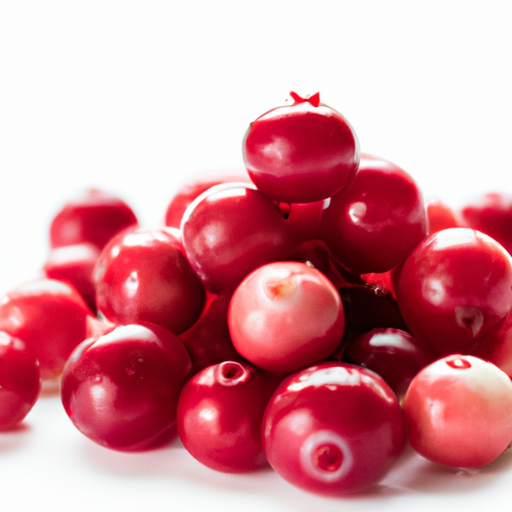
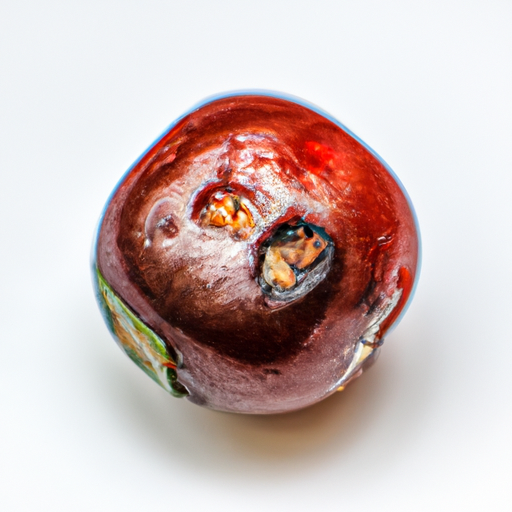
Last reviewed: January 2026
Reviewed by the Can I Eat Expired Editorial Team using official USDA, FDA, and CDC food safety guidance. How we assess food safety risk
May be safe if properly stored and showing no spoilage signs. Check carefully before consuming.
⏱️ Safe for up to 2 days after expiry if properly stored and showing no spoilage signs.
Fridge
35-40°F (1.6-4.4°C)
Refrigerate in airtight container
Proper airflow and humidity control can extend produce freshness. Using produce storage containers (Amazon) in the refrigerator helps regulate moisture and slow spoilage.
7 days
180 days
Moldy or mushy appearance
Jams, sauces, desserts
Cranberries
Sure thing! Expiration dates and best quality dates can be a bit confusing, but let's break it down for lingonberries. Expiration dates are about safety. It means the food should be consumed before that date for safety reasons. Lingonberries are usually safe to eat a bit after the expiration date if they have been stored properly. On the other hand, best quality dates are more about taste and texture. Lingonberries may start to lose their freshness and flavor past this date, but they are still safe to eat. For example, if you have a jar of lingonberries past the expiration date but they look and smell fine, they are likely safe to eat. However, if they are past the best quality date, they might not taste as good. Personally, I would go by the look and smell test. If the lingonberries appear and smell okay, I'd feel comfortable eating them even if they are a bit past the date. But if they start to look off or smell weird, it's best to play it safe and toss them.
To determine if Lingonberry has gone bad, look for mold growth or a slimy texture, as these are visual signs of spoilage. Additionally, a sour or rancid smell indicates that the Lingonberry is no longer fresh. If the berries appear discolored or have an off-putting odor, it's best to discard them to avoid consuming spoiled fruit.
Hey there! Let's talk about Lingonberries and food safety. While these little red berries are delicious and packed with nutrients, like any other food, they come with some risks if not handled properly. One major concern with Lingonberries, like other berries, is the potential for foodborne illnesses if they are contaminated with harmful bacteria such as Salmonella or E. coli. Symptoms of food poisoning can include nausea, vomiting, diarrhea, and stomach cramps. Not fun at all! To keep yourself safe while enjoying Lingonberries, make sure to wash them thoroughly before eating, especially if you're eating them raw. If you're using them in cooking or baking, make sure to cook them properly to kill any bacteria that may be present. Also, store Lingonberries in the refrigerator to prevent them from spoiling quickly. Remember, food safety is key to enjoying your favorite foods without any unpleasant consequences. Stay safe and enjoy your Lingonberries responsibly!
Hey there! Lingonberries are such a tasty and versatile berry, but they can be a bit tricky to store. Here are some practical storage hacks and pro tips for keeping your lingonberries fresh: 1. **Freeze Them**: If you have a bunch of lingonberries and don't plan on using them right away, freezing is your best bet. Spread them out on a baking sheet in a single layer and pop them in the freezer. Once frozen, transfer them to a resealable bag or airtight container. They'll last for months this way! 2. **Make Lingonberry Jam**: If you have a surplus of lingonberries, consider making lingonberry jam. It's a delicious way to preserve them for a longer period. Plus, homemade jam is always a treat! 3. **Vacuum Seal**: Investing in a vacuum sealer can also help extend the shelf life of your lingonberries. Seal them in bags or containers to keep out air and moisture, which can cause them to spoil faster. 4. **Store in the Fridge**: If you plan on using your lingonberries within a few days, storing them in the fridge in a breathable container or paper bag works well. Just make sure to give them a rinse before using. I hope these tips help you make the most out of your lingonberries! Enjoy experimenting with these storage solutions.
Hey there! Let's chat about lingonberries — those tiny, tart red gems that pack a punch of flavor! Did you know that lingonberries have been a staple in Nordic cuisine for centuries? These little berries are not just delicious; they're also packed with nutrients and antioxidants. In Nordic countries like Sweden and Finland, lingonberries are a big deal. They're often used in traditional dishes like meatballs with lingonberry sauce, or served alongside rich, creamy dishes to cut through the richness. It's like a sweet-tart burst of freshness in every bite! What's cool is that lingonberries have also made their way into modern cuisine. You might spot lingonberry jam in trendy cafes, or lingonberry-infused cocktails in hip bars. Plus, they're super versatile — you can enjoy them fresh, dried, or in jams and sauces. So, next time you come across some lingonberries, give them a try! You'll not only savor their unique flavor but also get a taste of Nordic culinary history. Cheers to these little berries that bring a whole lot of joy to the table!
If Lingonberry has been at room temperature for more than 2 hours, it's best to discard it to reduce the risk of foodborne illness. Bacteria can multiply rapidly at room temperature, increasing the risk of contamination.
Once opened, Lingonberry can be safely consumed within 3-5 days if stored in the refrigerator. Ensure it's tightly sealed to maintain freshness and quality. Discard any Lingonberry that shows signs of spoilage, such as an off odor or mold growth.
The type of container can impact the shelf life of Lingonberry. Opt for airtight containers to prolong freshness. Glass jars or containers specifically designed for food storage are ideal choices. Avoid storing Lingonberry in metal containers, as the acidity of the berries can react with the metal.
Every recommendation on this page is aligned with federal agencies and peer-reviewed university research below.
Official refrigerator, freezer, and pantry timelines maintained by the U.S. Department of Agriculture.
Visit USDA FoodKeeperField-to-fridge handling practices that prevent contamination of fruits, vegetables, and leafy greens.
Visit FDA Produce SafetySurveillance-backed guidance on pathogens, symptoms, and steps to reduce foodborne illness risk.
Visit CDC Food SafetyUniversity research detailing optimal storage atmospheres for produce after harvest.
Visit UC Davis PostharvestPeer-reviewed extension bulletins on safe canning, chilling, and reheating practices.
Visit Penn State ExtensionImportant: These are general guidelines based on authoritative sources listed above. Always use your best judgment and when in doubt, throw it out.
Disclosure: As an Amazon Associate, we earn from qualifying purchases. This helps support our site and allows us to continue providing free food safety information.